PG&E Bets on an AI-Powered Future
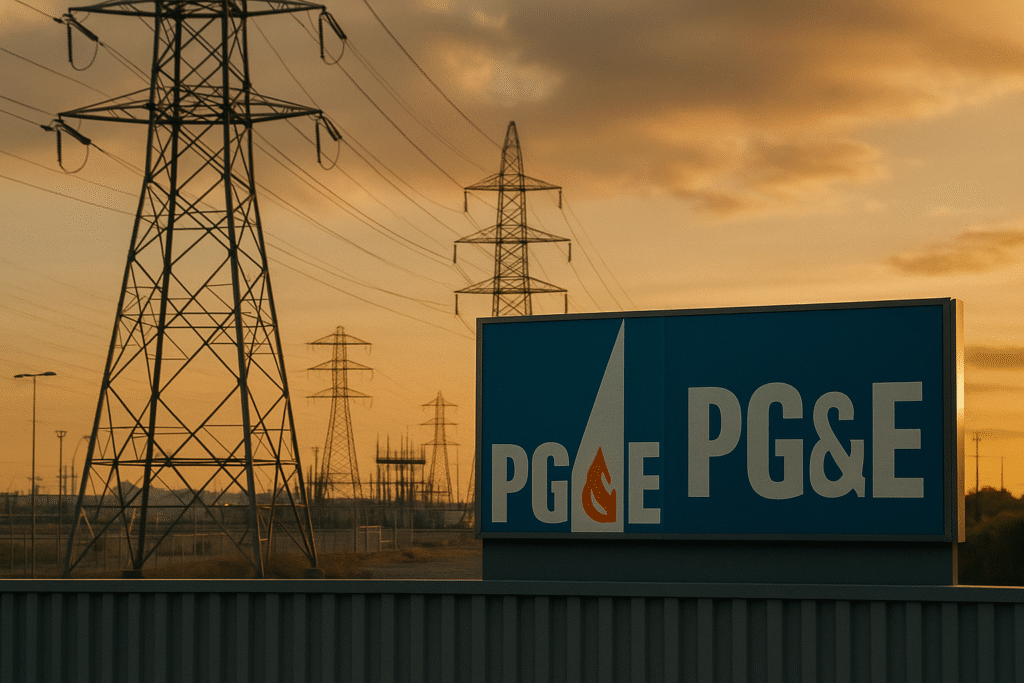
PG&E Corp (NYSE: PCG) announced it will invest $73 billion through 2030 to reinforce California’s transmission system as AI-fueled data centers drive unprecedented electricity demand.
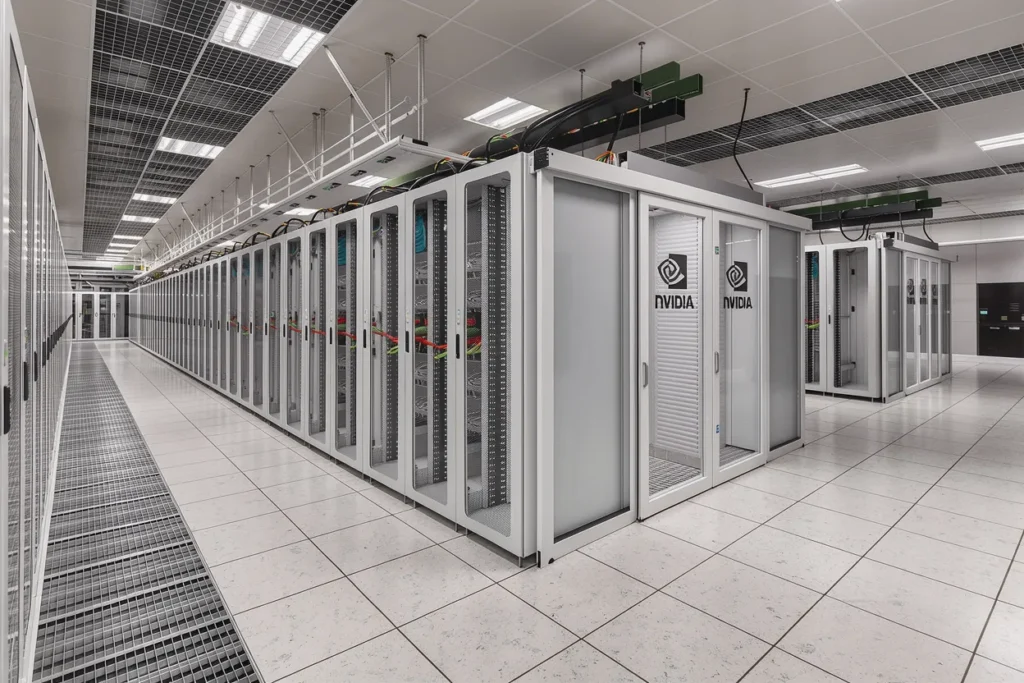
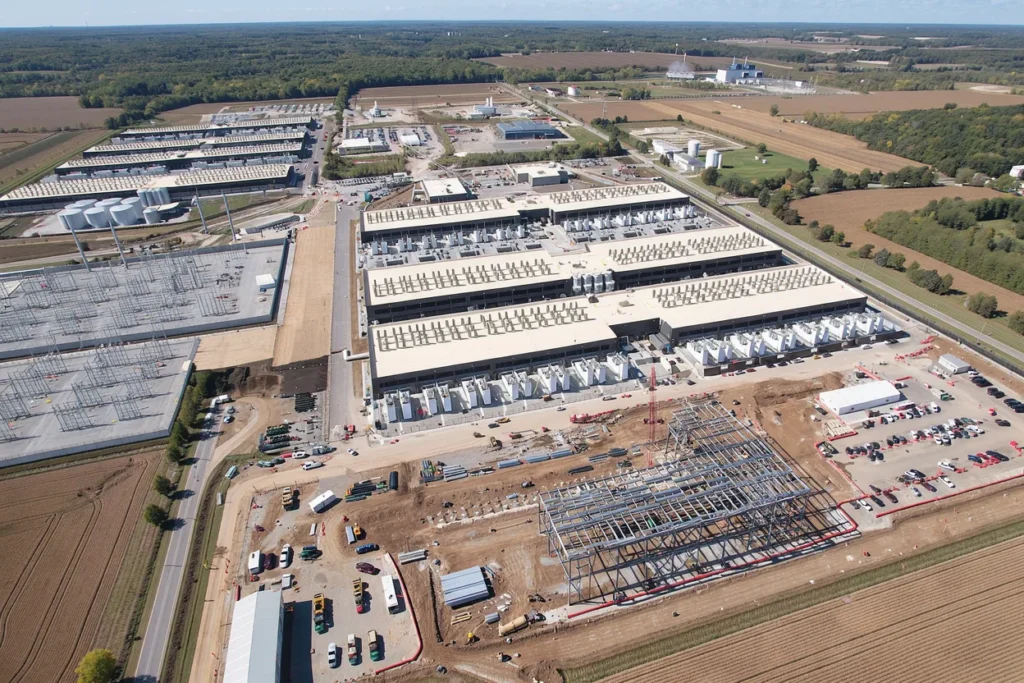
The utility said it expects to serve 10 gigawatts of new demand from data centers over the next decade. That surge is expected to push U.S. power consumption to record highs in 2025 and 2026, according to the EIA.
PG&E, often criticized for its role in some of California’s most devastating wildfires, is also committing to:
- Building 700 miles of underground power lines.
- Adding 500 miles of wildfire safety upgrades by 2026.
- Reducing its share of California’s Wildfire Fund Continuation Account to 47.85% from 64.20%, thanks to state reforms under SB 254.
Energy Is the New Supply Chain Risk
Beyond utilities, global executives are increasingly worried about energy reliability. A Prologis (NYSE: PLD) survey of 1,816 senior executives revealed:
- 89% experienced an energy-related disruption in the past year.
- 70% fear outages more than any other supply chain risk.
- 76% expect power needs to rise 10–50% over the next five years due to AI adoption.
- 83% believe energy procurement could reach crisis levels, yet fewer than one-third have backup systems in place.
- 90% would pay premium rates for facilities with dependable power.
“Energy is the new fault line in global supply chains,” said Susan Uthayakumar, Prologis chief energy and sustainability officer.
The AI + Energy Collision
The overlap between AI adoption and infrastructure stress is becoming more pronounced:
- Data centers are projected to be among the largest incremental drivers of U.S. power demand through 2030.
- The need for dense, reliable energy is colliding with a strained grid and long permitting timelines for nuclear and renewable projects.
- Companies like PG&E are under pressure to expand capacity while avoiding the mistakes that made them synonymous with wildfire liability.
Supply Chains Shift to Resilience
The Prologis survey also flagged a fundamental reset in global supply chains:
- 77% of companies are pursuing regional, self-sufficient networks.
- 70% have already implemented AI technologies in operations.
- Firms are moving production closer to consumption hubs, reversing decades of offshoring.
“Supply chains are going through the biggest reset in a generation, and it comes down to three things: energy reliability, AI, and location,” said Prologis CEO Hamid Moghadam.
WSA Take
PG&E’s $73B plan and Prologis’s survey paint the same picture: energy is becoming the ultimate bottleneck in both tech and trade.
For investors, this means two things:
- Utilities like PG&E are about to become frontline players in the AI buildout, despite their legacy risks.
- Energy resilience — from backup systems to premium facilities — is poised to become a key differentiator in logistics and industrial real estate.
The collision of AI adoption, data center growth, and fragile grids is more than a tech story. It’s a macroeconomic risk and a multi-trillion-dollar opportunity in energy infrastructure.
If you missed our coverage of Electronic Arts nearing a $50B buyout deal, it’s another example of how capital is flowing toward scale-driven bets across industries. For more exclusive insights, visit the Wall Street Access homepage.
Disclaimer
Wall Street Access does not work with or receive compensation from any public companies mentioned. Content is for educational and entertainment purposes only.