Markets Slide Into Shutdown Risk
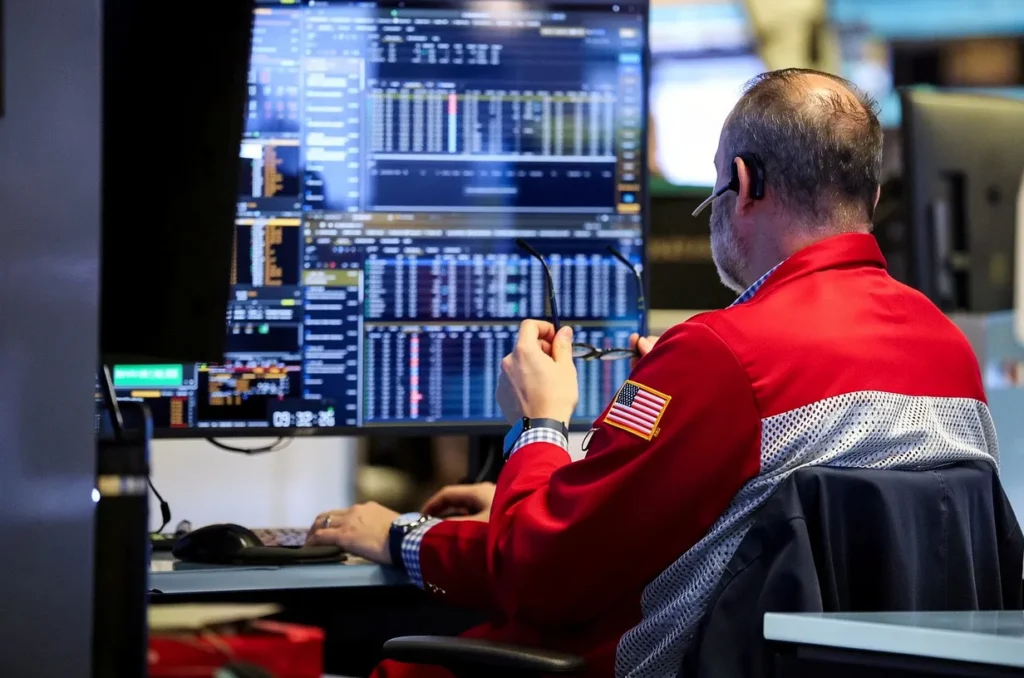
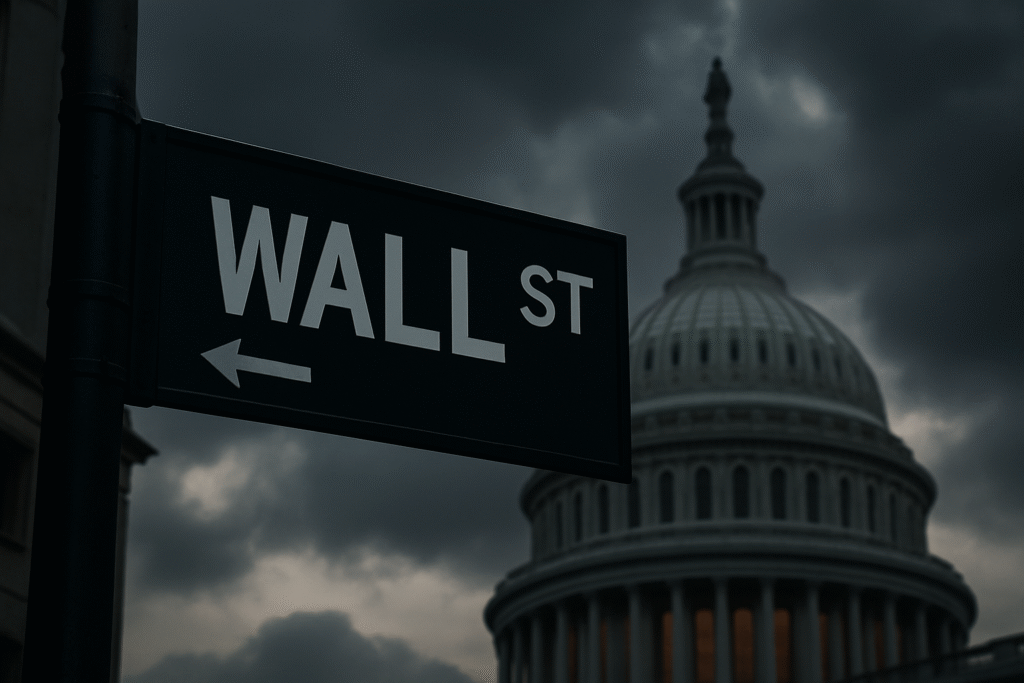
U.S. stocks faltered Tuesday as political brinkmanship and tariff shocks unsettled investors.
- Dow Jones (DJI): -0.4%
- S&P 500 (GSPC): -0.3%
- Nasdaq Composite (IXIC): -0.3%
Lawmakers have until 12:01 a.m. ET Wednesday to avert the first government shutdown since 2019. Odds stand near 85%, according to Polymarket.
If funding lapses, the Bureau of Labor Statistics will suspend all operations, delaying Friday’s jobs report along with inflation data critical to Fed policy.
Vice President JD Vance was blunt after Monday’s failed White House meeting: “I think we’re headed to a shutdown.”
Tariffs Keep Piling On
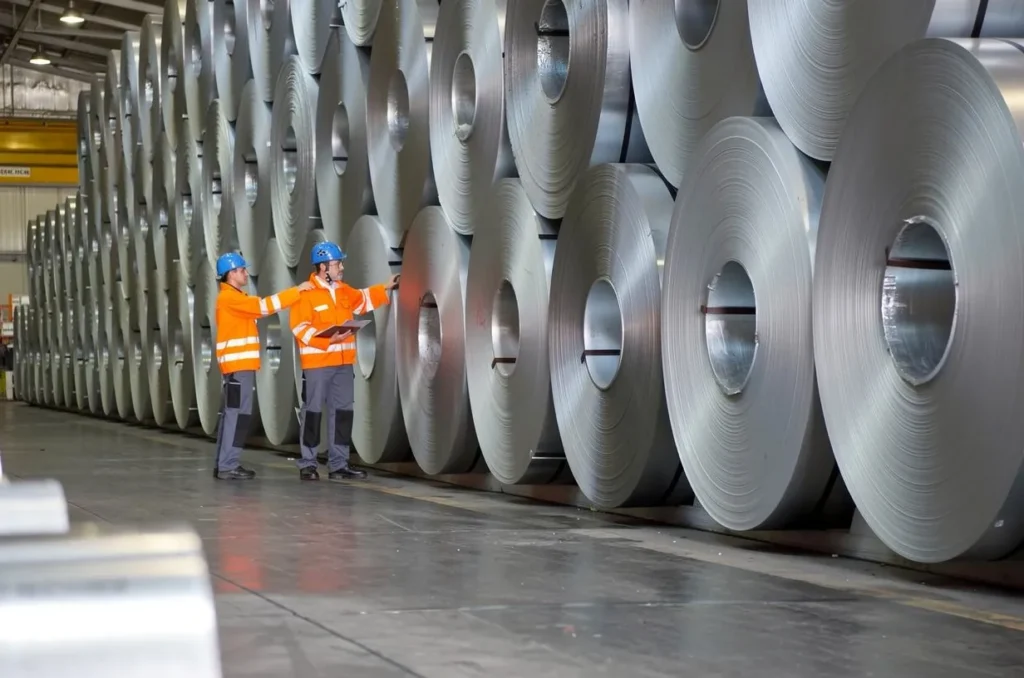
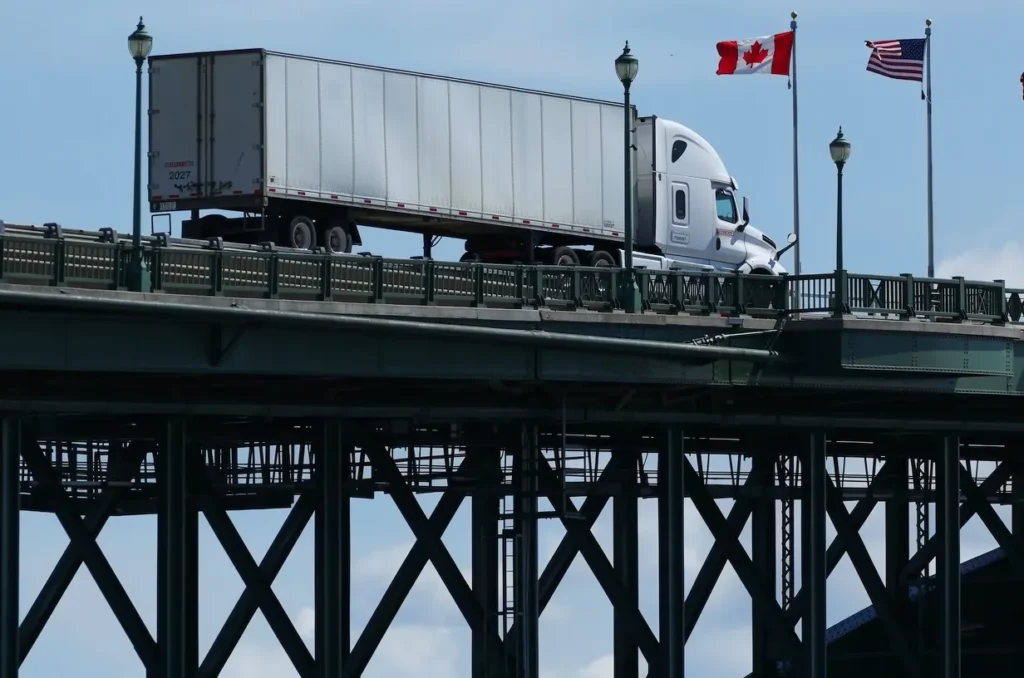
Adding fuel to the volatility, President Trump announced a new wave of tariffs on lumber, timber, and furniture, following last week’s levies on branded drugs and threats against foreign-made movies.
The trade offensive has stirred fresh fears about global growth, with new data showing China and Japan’s factory activity remains in contraction.
Consumer Confidence Slumps
The Conference Board’s consumer confidence index dropped to its lowest level since April. Sentiment about the job market soured in particular, as households brace for slower hiring and continued tariff shocks.
Labor Market Shows Signs of Freeze
The latest JOLTS report underscored what some economists are calling a “frozen” job market:
- Job openings: 7.23M in August, only slightly above July’s 7.21M.
- Hiring rate: 3.2%, near lows not seen since the Great Recession.
- Quit rate: lowest this year, signaling fewer workers feel confident to move jobs.
“The job market is frozen. Americans feel stuck. And it appears to be getting worse,” wrote Heather Long, chief economist at Navy Federal Credit Union.
Demographic Drag on Labor Supply
Fed Vice Chair Philip Jefferson pointed to declining net immigration and an aging workforce as structural drags on labor supply. With fewer new workers entering the market, even modest job creation has so far kept unemployment steady at 4.3%.
The Economic Policy Institute echoed the trend, noting that much of the slowdown reflects shrinking workforce growth, not a collapse in available jobs. Still, payroll growth has averaged just 29,000 jobs per month since May, and real wage growth is cooling.
WSA Take
Wall Street faces a double bind:
- Policy risk — A shutdown could freeze data just as the Fed weighs its next move.
- Economic risk — The labor market is stagnating, with weaker hiring trends pointing to a slow grind ahead.
Tariffs, weaker consumer sentiment, and a frozen jobs market are a tough mix for investors banking on a smooth landing. Expect volatility around data gaps and more defensive positioning if the shutdown proceeds.
If you missed our recent coverage of Schneider Electric’s partnership with Nvidia, it’s another reminder that while Washington gridlock drags on, corporate spending on AI and infrastructure is still full speed ahead. For more insights, visit the Wall Street Access homepage.
Disclaimer
Wall Street Access does not work with or receive compensation from any public companies mentioned. Content is for educational and entertainment purposes only.