What Was Said And Why It Matters
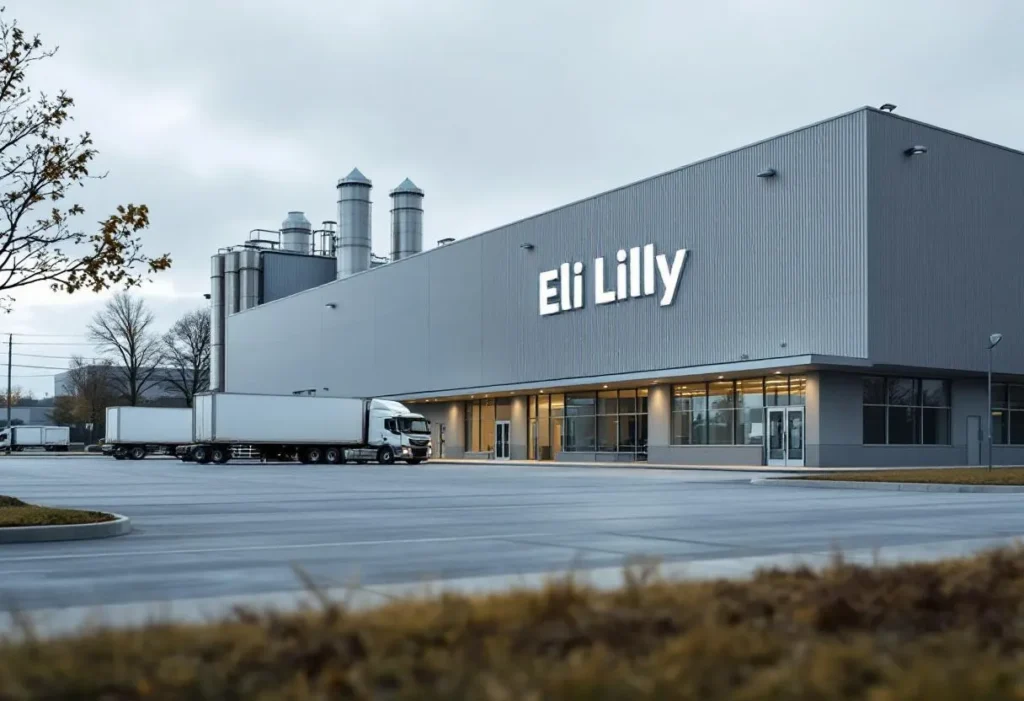
During a cabinet meeting at the White House, the U.S. President said he spoke with the head of Eli Lilly (LLY) and was told the company is building six plants in the United States. The comments point to continued momentum behind large-scale domestic pharmaceutical manufacturing, a theme U.S. investors have been watching across major drugmakers and suppliers.
For markets, additional U.S. capacity can matter for drug availability, resilience in medical supply chains, and longer-term competitive positioning in high-demand therapies. It can also influence regional employment and industrial activity that feeds into broader macro discussions alongside Fed policy and interest-rate sensitivity across healthcare and industrial names.
What Lilly Has Already Put On The Record
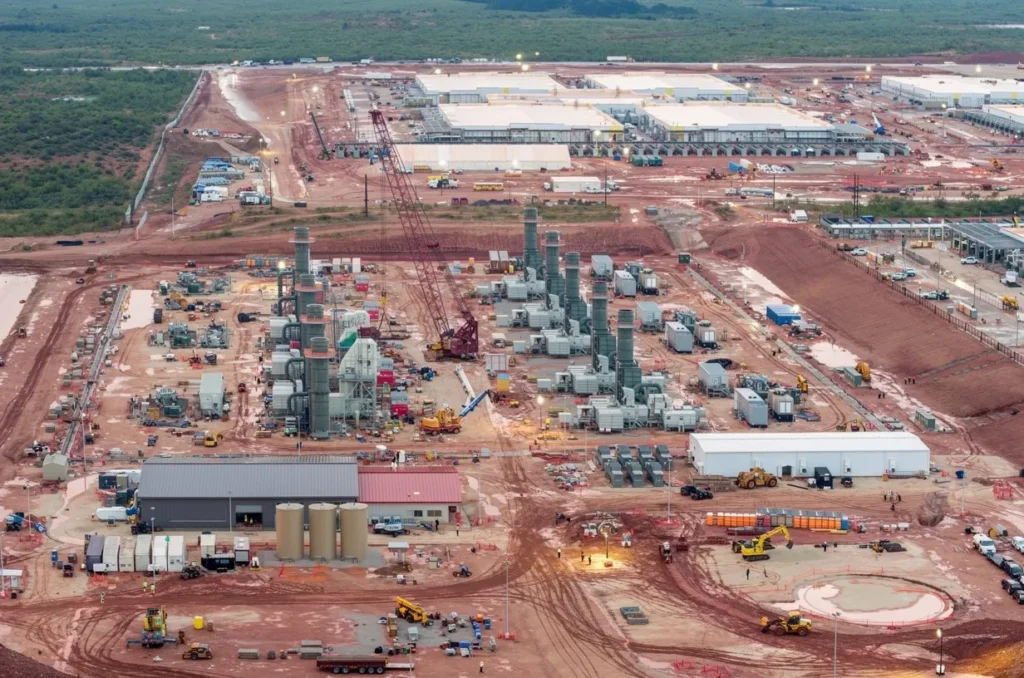
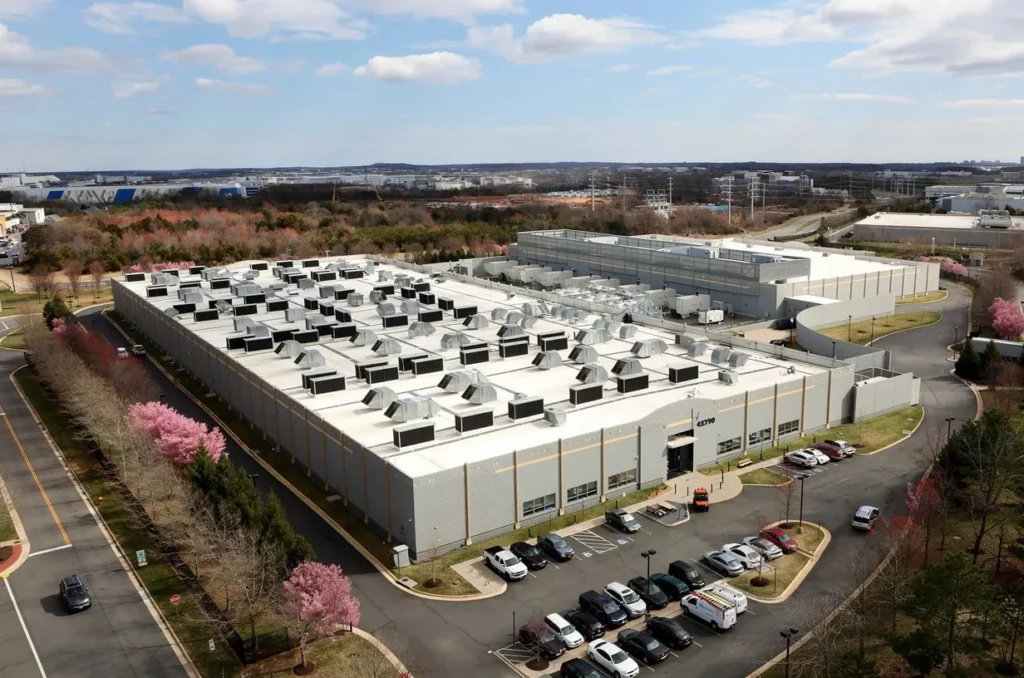
Separately from the White House remarks, Lilly said last year it planned to spend at least $27 billion to build four U.S. plants aimed at expanding production and bolstering medical supply chains. The company has announced three facilities so far, located in Alabama, Virginia, and Texas.
Investors typically track these plans through formal company updates, including timelines, product lines supported, and expected ramp schedules.
- Lilly previously communicated a baseline plan: at least $27 billion for four plants.
- Announced locations to date: Alabama, Virginia, Texas.
- The White House remarks suggest a larger footprint of six plants.
Potential Market Read-Through For US Investors
Any expansion in domestic manufacturing footprint can affect multiple corners of the U.S. market beyond LLY. More pharma capacity can support upstream demand for U.S.-based equipment, construction, and specialized materials, while strengthening supply-chain reliability for critical medicines.
At the index level, healthcare is a major component of broad benchmarks such as the S&P 500, so large capex programs at mega-cap drugmakers can influence sector sentiment, especially when rates are a central driver of equity multiples.
- Healthcare investors watch whether added capacity supports sustained volume growth and consistent supply.
- Industrial spillovers may touch U.S. construction and specialized manufacturing ecosystems.
- Large capital spending programs can be scrutinized differently when interest rates are elevated.
What To Watch Next
Key next signals are whether Eli Lilly (LLY) confirms the six-plant figure directly and provides specifics such as site locations beyond the three already announced, construction timing, and which product lines each plant supports. Those details help investors assess execution risk, capex pacing, and potential supply impact.
- Any formal LLY statement confirming the scope and sequencing of the buildout.
- Additional site announcements beyond Alabama, Virginia, and Texas.
- Updates on production targets, ramp timelines, and supply-chain objectives.
WSA Take
For U.S. investors, the main takeaway is that Eli Lilly (LLY) appears aligned with a broader push toward more U.S. manufacturing capacity in critical healthcare supply chains. If the footprint expands from four plants to six, the incremental impact will depend on where the facilities are built and what they produce, which drives both strategic value and near-term spending. Markets will likely focus on how the buildout affects long-run supply reliability versus the timing of cash outflows, especially with rate expectations still shaping equity valuations. Confirmation and project-level specifics from Lilly are the next meaningful catalysts for clearer modeling.
Explore More Stories in Health
Disclaimer
WallStAccess is a financial media platform providing market commentary and analysis for informational and educational purposes only. This content does not constitute investment advice, a recommendation, or an offer to buy or sell any securities. Readers should conduct their own research or consult a licensed financial professional before making investment decisions.