U.S. Unveils Strategic Critical Minerals Stockpile
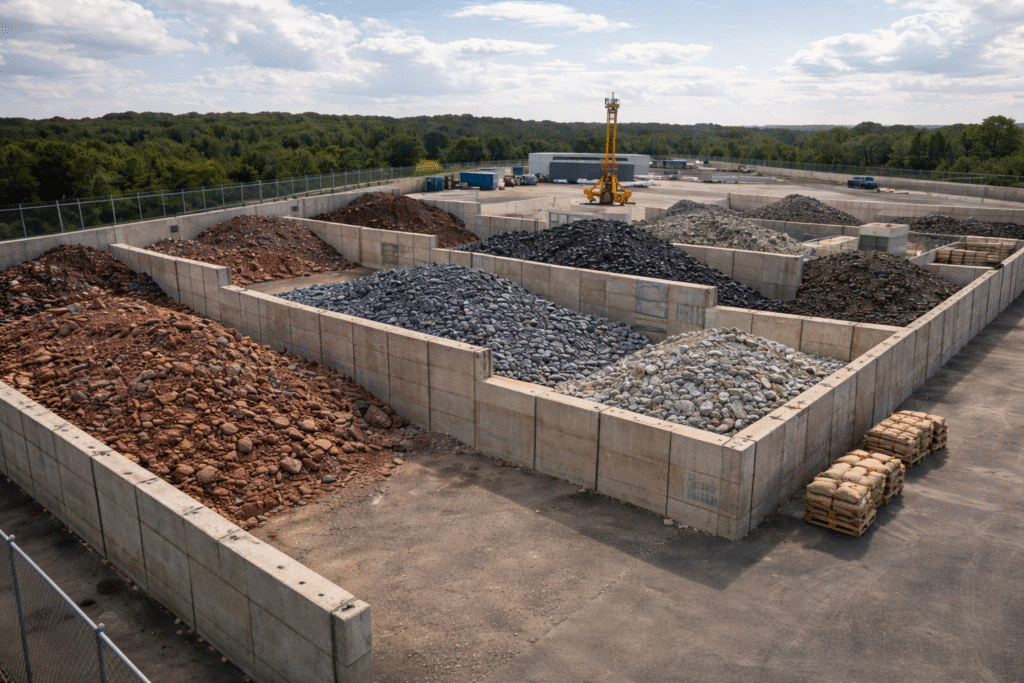
The United States is preparing to launch a $12 billion strategic critical-minerals stockpile, a landmark effort designed to shield manufacturers from supply disruptions and reduce dependence on China for rare earths and other key materials.
The initiative, known as Project Vault, combines $10 billion in financing from the U.S. Export-Import Bank with $1.67 billion in private capital, according to officials familiar with the plan. The stockpile will procure and store minerals on behalf of manufacturers across the automotive, technology, aerospace, and energy sectors.
Markets React as Rare Earth Stocks Jump
U.S.-listed rare earth and critical mineral producers surged in premarket trading following reports of the initiative. Shares of USA Rare Earth, Critical Metals Corp., United States Antimony, and NioCorp Developments all moved sharply higher as investors priced in stronger long-term demand and government-backed support.
The stockpile would represent the first large-scale civilian critical-minerals reserve in U.S. history, complementing the nation’s existing defense-focused stockpile.
What Project Vault Will Hold
Unlike the Strategic Petroleum Reserve, Project Vault will focus on industrial metals and minerals, including:
- Rare earth elements
- Gallium and cobalt
- Battery metals
- Specialty inputs used in electronics, jet engines, and power systems
These materials are subject to volatile pricing and concentrated supply chains, with China dominating both production and processing in many categories.
Who’s Involved
More than a dozen major industrial and technology firms have already joined the project, including:
- General Motors
- Stellantis
- Boeing
- Corning
- GE Vernova
Three global commodity trading houses — Hartree Partners, Traxys North America, and Mercuria Energy Group — will handle procurement for the stockpile.
The Export-Import Bank is expected to vote on the proposed 15-year loan, which would be the largest financing package in the agency’s history.
How the Stockpile Works
Participating manufacturers will:
- Commit to future purchases of specified materials at set inventory prices
- Pay upfront and ongoing carrying costs tied to storage and financing
- Retain the ability to draw down materials during disruptions, provided inventories are replenished
A key stabilizing feature requires companies to repurchase equivalent volumes at the same agreed price, helping dampen extreme price swings during supply shocks.
Why It Matters
The initiative gained urgency after China tightened export controls on several critical materials last year, forcing some U.S. manufacturers to scale back production and highlighting Beijing’s leverage over global supply chains.
The U.S. has already pursued bilateral cooperation agreements with countries such as Australia, Japan, and Malaysia, and is expected to push for additional partnerships at an upcoming international summit in Washington.
WSA Take
Project Vault marks a structural shift in U.S. industrial policy.
Instead of relying solely on markets or emergency measures, Washington is moving toward active balance-sheet support for supply security in metals that underpin AI, electrification, defense, and advanced manufacturing. For investors, it reinforces a long-term tailwind for domestic critical minerals, processing capacity, and North American supply chains.
Explore More Stories in Commodities
Disclaimer
WallStAccess is a financial media platform providing market commentary and analysis for informational and educational purposes only. This content does not constitute investment advice, a recommendation, or an offer to buy or sell any securities. Readers should conduct their own research or consult a licensed financial professional before making investment decisions.