
What OpenAI Is Building
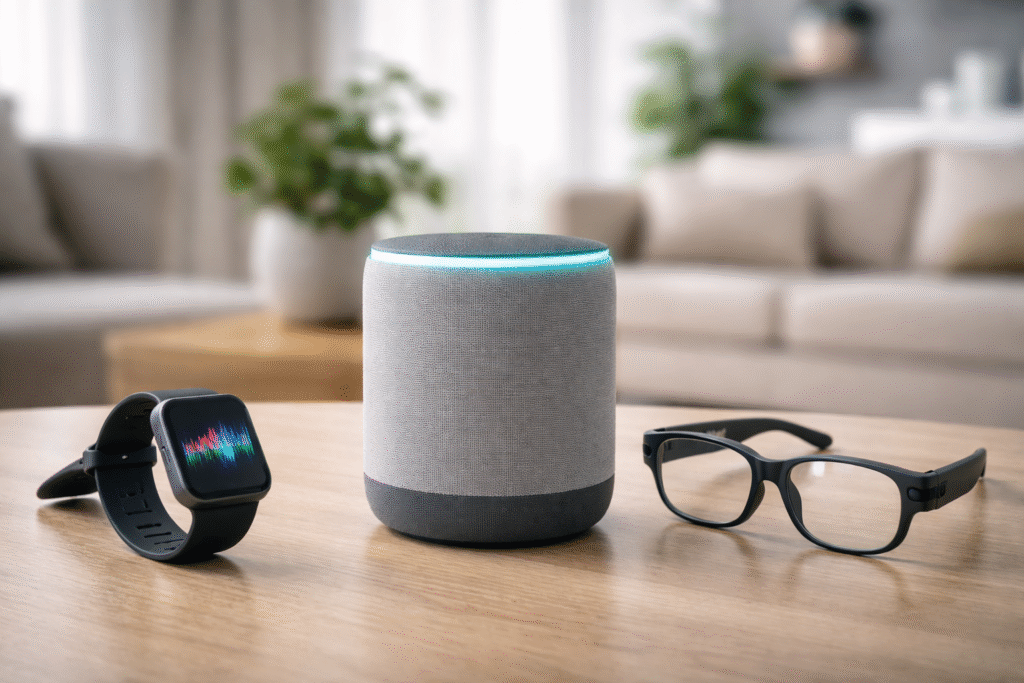
OpenAI is developing a family of AI-powered devices, with more than 200 people working on the effort. The lineup is expected to include a smart speaker and could expand to smart glasses and even a smart lamp.
The push underscores a bigger strategic shift: moving from software-first AI into physical products designed to live in the home and on the body. That matters because hardware can create stickier user habits, new data streams, and distribution outside the app store ecosystem.
- Project scope: a “family” of AI devices
- Team size: more than 200 people
- Possible products: smart speaker, smart glasses, smart lamp
The Smart Speaker Comes First
The first device OpenAI is expected to launch is a smart speaker. Pricing is likely to land between $200 and $300, positioning it above many mainstream speakers and closer to premium consumer electronics.
One notable design element: the speaker is expected to include a camera. That would allow it to take in information about users and their surroundings, potentially enabling more context-aware interactions than audio-only assistants.
Timing, however, is long-dated. The device would not ship until February 2027 at the earliest. That kind of runway suggests substantial engineering and product work still ahead, along with the usual risks around consumer hardware development and supply chain readiness.
- First product: OpenAI smart speaker
- Expected price range: $200–$300
- Feature: built-in camera
- Earliest shipping window: February 2027
Smart Glasses Trail the Speaker
OpenAI’s smart glasses are expected to be further out. The current timeline points to mass production not being ready until 2028. That sequencing fits what the market has already shown: glasses are harder than speakers, with tighter constraints around weight, battery life, heat, optics, and privacy.
Competitive pressure is also building. Meta Platforms (META) has had notable traction with its Ray-Ban smart glasses, which allow users to record, take pictures, and stream content through small cameras. Meanwhile, Apple and Google have also been working toward their own smart glasses efforts.
- Meta Platforms (META) has seen strong success with Ray-Ban smart glasses
- Ray-Ban smart glasses support recording and photos via tiny cameras
- Apple and Google are also working on smart glasses
Why OpenAI Is Pushing Into Hardware
OpenAI’s hardware ambitions follow its entry into the category through the $6.5 billion acquisition of former Apple designer Jony Ive’s startup, io Products. The goal is to capitalize on demand for physical AI and augmented reality experiences that feel more immediate than typing into an app.
For U.S. investors, the key implication is that the AI race is expanding beyond model quality into product design, distribution, and device ecosystems—areas where timelines and execution can matter as much as research breakthroughs.
What investors will watch next is simple: whether OpenAI provides clearer product details, and whether its first device timelines hold as the company scales from software into consumer hardware.
WSA Take
OpenAI’s device roadmap reads like a bid to turn AI into an always-available companion, not just a chatbot on a screen. The long lead time to a 2027 ship date signals ambition, but it also raises execution risk and leaves room for competitors to keep moving. A camera-equipped speaker could unlock new context-driven experiences, while also putting privacy and user trust front and center. The market will focus on whether OpenAI can translate its software advantage into a compelling consumer product cycle.
Disclaimer
WallStAccess is a financial media platform providing market commentary and analysis for informational and educational purposes only. This content does not constitute investment advice, a recommendation, or an offer to buy or sell any securities. Readers should conduct their own research or consult a licensed financial professional before making investment decisions.