Governments Move to Contain the Energy Shock
Energy prices surged after Iran closed the Strait of Hormuz in response to U.S.-Israeli attacks, forcing G7 and EU governments into emergency coordination mode. The immediate policy challenge is familiar: when fuel spikes, inflation risk rises, consumer spending gets squeezed, and central banks suddenly have less room to ease.
For U.S. markets, that matters quickly. Higher oil and refined-product costs can ripple through airlines, trucking, chemicals, and consumer staples, while also pressuring household budgets through gasoline, heating, and electricity bills. If the move is large enough, it can shift the entire rate conversation.
The Fastest Lever: Strategic Stockpiles
The clearest response so far is a coordinated oil release.
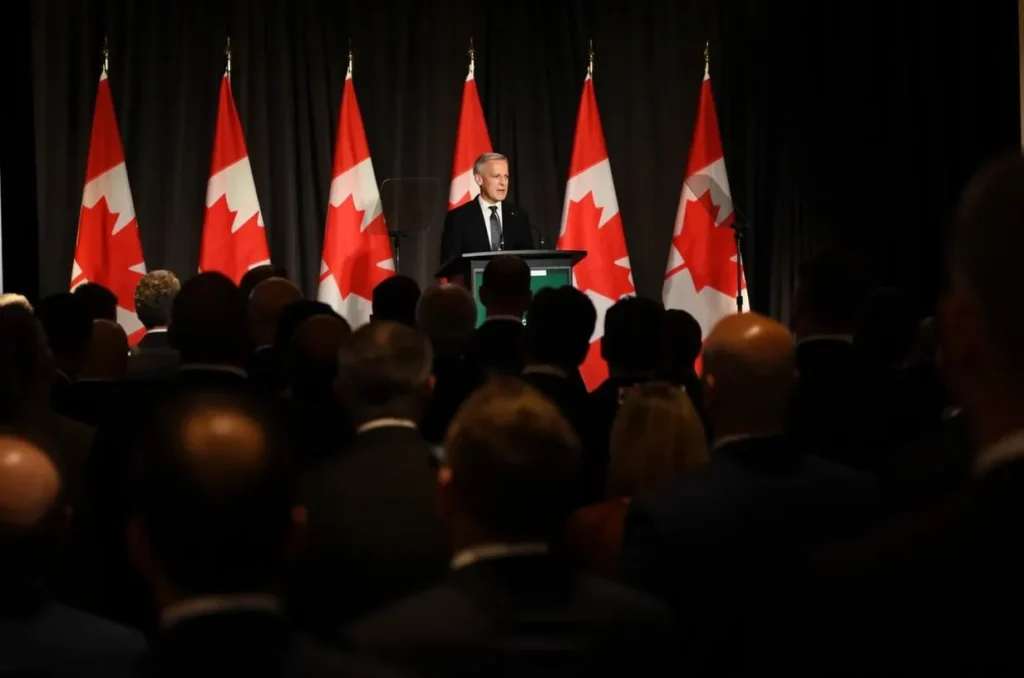
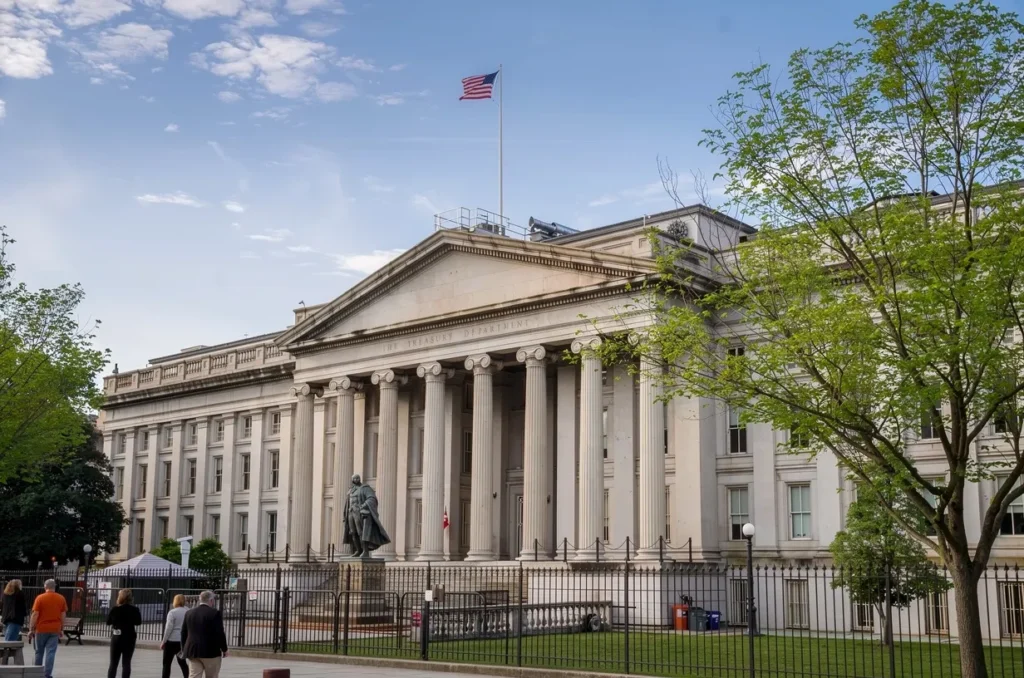
The International Energy Agency approved a record 400 million barrel release from strategic stockpiles, backed by all 32 member countries. The United States is set to provide 172 million barrels, while Canada contributes 23.6 million barrels. That makes this the largest coordinated stockpile action in IEA history.
That does not solve the underlying geopolitical problem, but it does give markets a signal: governments are willing to use emergency reserves to keep a supply shock from turning into a broader inflation spiral.
Europe Is Responding in Different Ways
Governments are not all using the same playbook.
Germany is avoiding direct subsidies and instead trying to reduce intraday volatility by limiting petrol stations to a single daily price increase. France is opting for targeted support, including fuel subsidies for transport, farming, and fishing, along with energy-bill relief for lower-income households. The UK is leaning on regulated tariffs and anti-gouging measures, while Italy has moved to temporarily cut fuel taxes. Japan is taking a more aggressive subsidy route to hold gasoline prices near a set level.
That mix tells investors something important: policymakers are trying to cushion the blow without repeating the most expensive broad-based support measures seen during the 2022 energy crisis.
Why Markets Care
The market question is not just whether oil spikes.
It is whether policymakers can cap the damage before higher energy costs bleed into broader prices. If crude stays elevated, investors may need to reprice inflation, growth, and the Fed’s path all at once. That kind of cross-asset reaction can show up quickly in stocks, gold, copper, and even Bitcoin.
Equity investors will also be watching how earnings expectations shift for fuel-intensive sectors and whether sustained energy pressure starts to favor major oil producers over the rest of the market.
WSA Take
The IEA’s record reserve release is the fastest and cleanest tool available to policymakers after a shock like this. It puts the U.S. at the center of the response and shows governments are taking the energy threat seriously. But reserve releases buy time — they do not erase geopolitical risk.
If energy prices stay elevated, markets may have to price in a tougher inflation backdrop, a more cautious Fed, and tighter pressure on consumers and fuel-heavy industries. That is why this story matters well beyond oil.
The real test now is whether policymakers can calm prices fast enough to stop an energy shock from becoming a macro shock.
Explore More Stories in Markets
Disclaimer
WallStAccess is a financial media platform providing market commentary and analysis for informational and educational purposes only. This content does not constitute investment advice, a recommendation, or an offer to buy or sell any securities. Readers should conduct their own research or consult a licensed financial professional before making investment decisions.