Fox is buying distribution, data, and ad infrastructure
Fox’s agreement to buy Roku is not just another media deal. It is a bet that controlling more of the streaming layer matters as much as owning the content itself.
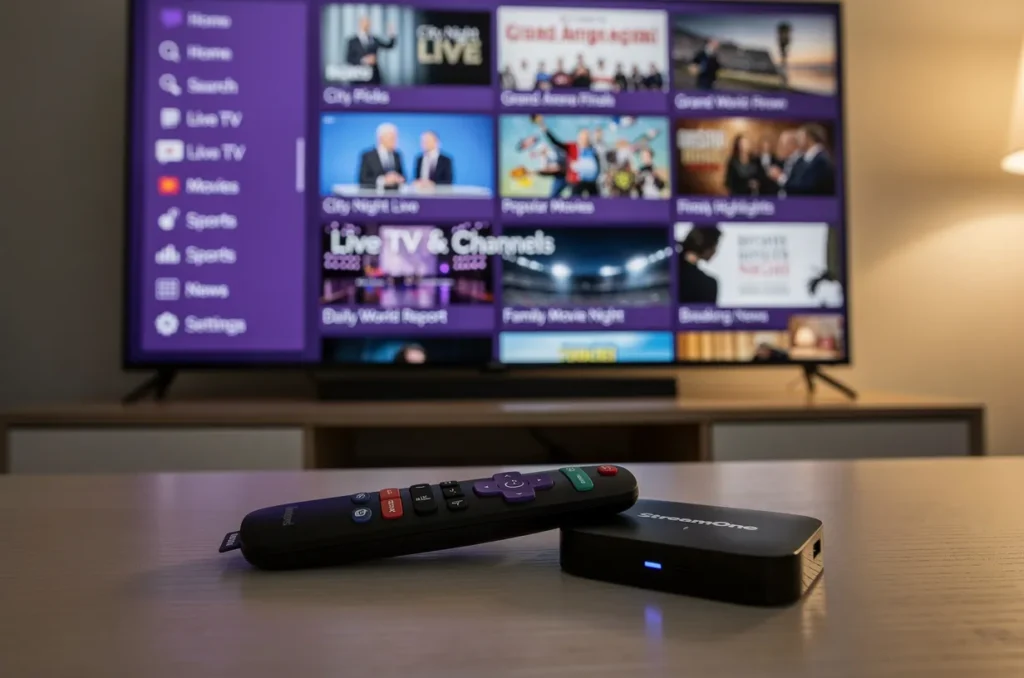
The transaction gives Fox access to Roku’s platform, its ad stack, The Roku Channel, and a footprint spanning more than 100 million households. Fox already owns major news, sports, and entertainment assets, along with Tubi. Adding Roku gives it deeper control over how that content is distributed, discovered, and monetized.
The price and structure tell the market how serious Fox is
Under the agreement, Roku holders will receive $160 per share, with consideration split between cash and Fox stock. Existing Fox shareholders are expected to own about 73% of the combined company, while Roku shareholders will own about 27%. The deal is expected to close in the first half of 2027, subject to shareholder and regulatory approval.
Reuters reported the transaction will add about $8.3 billion of debt to Fox’s balance sheet and is expected to deliver roughly $400 million in annual savings.
Why Roku matters more now than it did a few years ago
Roku has long been one of the more strategic assets in connected TV because it sits between viewers, content companies, and advertisers. It is not just a hardware company. It is a gatekeeper to audience attention inside streaming.
For Fox, that changes the economics. Instead of relying only on content licensing, ad sales, and app distribution deals, the company gets direct exposure to platform-level advertising and first-party viewer data. That matters most in live sports and news, where Fox is already strongest.
The deal also says something about the streaming market
This transaction reflects a broader shift in media strategy. Scale in streaming is no longer only about subscriber counts. It is also about ad targeting, distribution control, device presence, and owning enough audience touchpoints to compete with larger digital ecosystems.
That helps explain why Roku had reportedly attracted interest from multiple large companies before Fox emerged as the buyer. The platform sits in a part of the market that is hard to replicate organically.
The market reaction was cautious
Fox shares fell sharply on the announcement, while Roku traded slightly lower. That kind of reaction is not unusual in a deal of this size. The market is weighing execution risk, leverage, integration, and whether Fox can translate Roku’s platform reach into stronger long-term economics.
The more difficult question is not strategic logic. The logic is clear enough. The harder question is whether the integration preserves Roku’s platform neutrality while still giving Fox the financial upside it is paying for.
WSA Take
Fox is paying up for something the market increasingly values: direct control over streaming distribution and advertising infrastructure.
The deal gives Fox more than another content outlet. It gives the company a larger position in connected TV at a time when legacy media groups are still trying to close the gap with platform-driven rivals. The strategic rationale is strong. The next test is whether Fox can integrate Roku without weakening the openness that made the platform valuable in the first place.
Disclaimer
WallStAccess is a financial media platform providing market commentary and analysis for informational and educational purposes only. This content does not constitute investment advice, a recommendation, or an offer to buy or sell any securities. Readers should conduct their own research or consult a licensed financial professional before making investment decisions.