The market lost momentum after a strong open
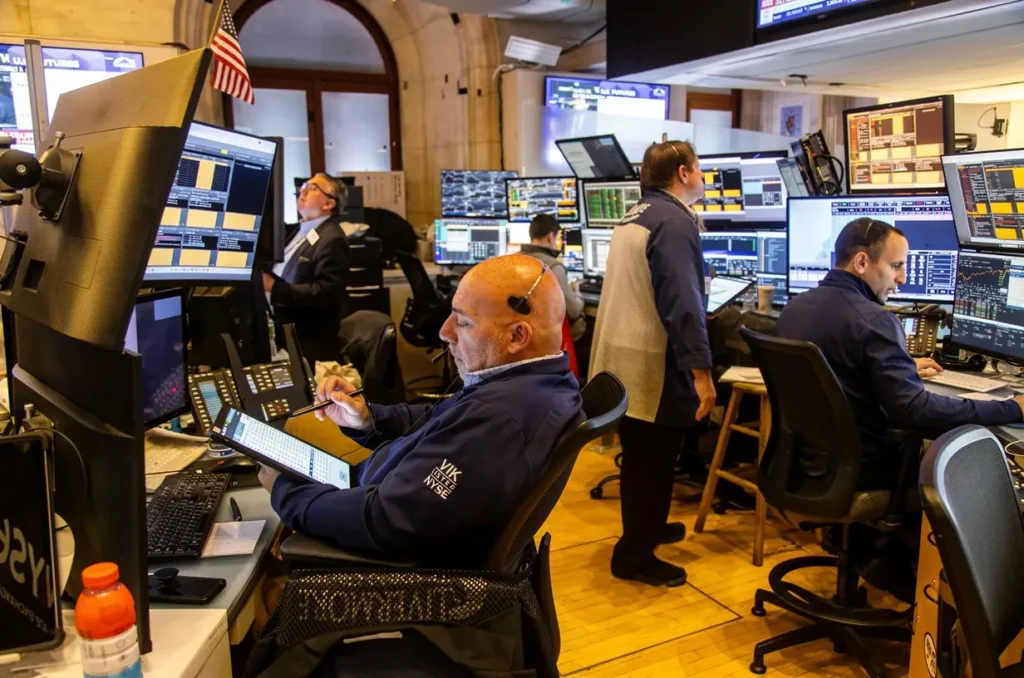
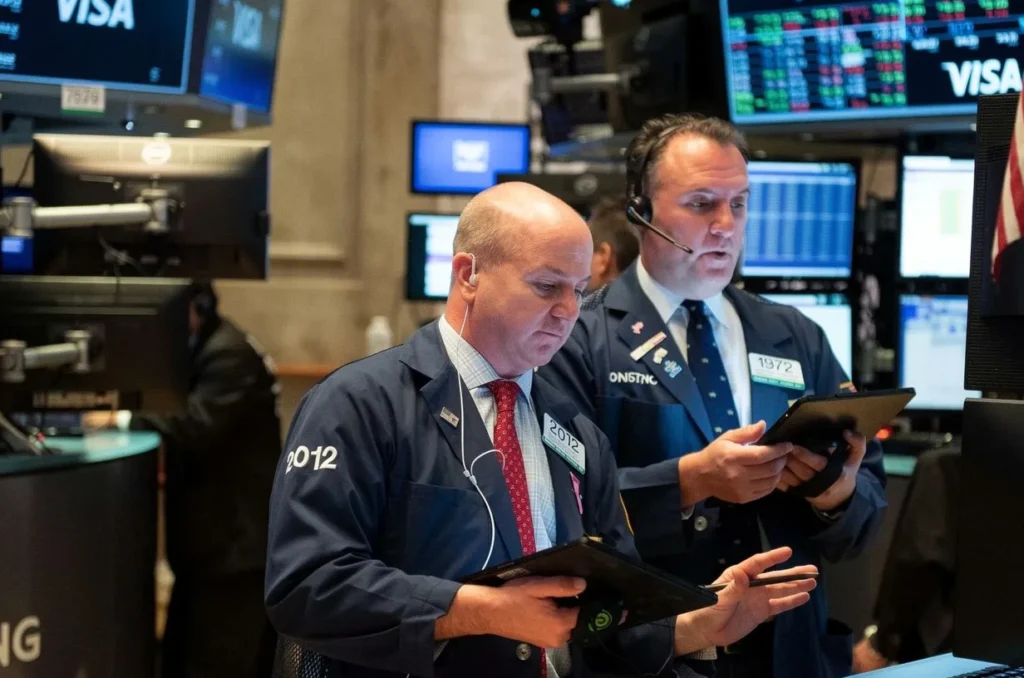
US stocks fluctuated Monday after an early rally faded, as weakness in chip stocks offset relief from falling oil prices.
The Dow Jones Industrial Average gained 0.5%, while the S&P 500 hovered near the flat line. The Nasdaq Composite slipped into negative territory as semiconductor names turned lower and investors reassessed the US lead in artificial intelligence.
The session had two competing forces. Lower oil prices helped calm inflation concerns after two weeks of Middle East escalation. But renewed pressure in semiconductors kept the market from building a cleaner rebound.
That leaves investors entering one of the most important weeks of the quarter with a fragile setup: Big Tech earnings, a Federal Reserve decision, falling crude and fresh questions about AI leadership.
Chip stocks sold off on China AI concerns
Semiconductor stocks reversed lower after The Information reported that a Chinese state-backed company had begun mass-producing a key piece of chipmaking equipment.
The report raised fresh concerns that China could narrow the gap with the US in artificial intelligence and advanced chip production. Nvidia and ASML both fell more than 4%, pulling the broader semiconductor trade lower.
That reaction shows how sensitive the market has become to anything that challenges the US AI hardware advantage. Investors are still bullish on the long-term AI buildout, but the trade is no longer moving in a straight line.
The pressure points are becoming clearer:
- China chip independence
- US export-control risk
- AI infrastructure competition
- Semiconductor valuation pressure
- Rotation away from crowded AI winners
The AI trade is still alive, but it is being tested more often.
Oil’s drop gave the market some relief
Oil prices tumbled after the US and Iran paused fighting, raising hopes that peace negotiations could restart after two weeks of military escalation.
Brent crude fell more than 7% and traded below $90 per barrel, easing from the spike that had pushed prices back toward wartime highs. The decline helped reduce some pressure on Treasury yields and inflation expectations.
That matters for stocks because oil had become one of the biggest macro risks in the market. Higher crude prices threatened to lift inflation, squeeze consumers and push the Fed toward a more hawkish stance.
A sustained drop in crude would give equities more room to stabilize. But the relief depends on whether the pause in fighting turns into real diplomacy or simply delays another round of escalation.
The Fed decision is unusually uncertain
The Federal Reserve is expected to announce its July interest rate decision on Wednesday.
Most economists polled by Bloomberg expect the Fed to keep rates unchanged. But the decision is less predictable than usual because oil volatility, elevated bond yields and strong inflation concerns have made the policy backdrop harder to read.
Treasury yields eased Monday as crude prices fell. Two-year yields slipped by about 1 basis point, five-year yields fell just over 2 basis points, and the 10-year Treasury yield dropped roughly 3 basis points.
The move was helpful, but not enough to fully reset the rate outlook. Markets are still pricing in a hike by September, with another increase expected by March 2027, according to Bloomberg data.
The Fed’s message may matter more than the decision itself. Investors want to know whether falling oil changes the inflation outlook, or whether policymakers remain concerned about sticky price pressure.
Apple passed Nvidia as market leadership shifted
Apple overtook Nvidia as the world’s most valuable company on Monday, showing how market leadership is shifting inside Big Tech.
Apple shares rose about 1.4%, lifting its market value to roughly $4.954 trillion and pushing the stock to a new all-time high. Nvidia fell about 3.5%, pulling its market value down to roughly $4.833 trillion.
The move reflects a broader rotation. Investors have been buying Apple ahead of its earnings report Thursday, with analysts expecting strong growth in both revenue and earnings. Nvidia, meanwhile, has been caught in the semiconductor selloff as investors reassess AI demand, chip supply and competition risk.
This does not mean the market has abandoned Nvidia. It means the AI trade is broadening and becoming more selective.
Big Tech earnings will test the AI spending story
The biggest test this week comes from Microsoft, Meta, Apple and Amazon.
Investors will be watching capital expenditure guidance closely after Alphabet and Tesla triggered a selloff by signaling heavier AI-related spending. The market still wants exposure to AI, but it is becoming more demanding about the return on that spending.
The question is no longer whether companies are investing in AI. They are. The real question is whether the spending can produce revenue growth, margin expansion and stronger products fast enough to justify the cost.
That matters for the S&P 500 because market leadership has become extremely concentrated. Evercore ISI noted that 10 stocks now account for a record 38% of the index, above the 27% peak seen during the dot-com boom.
A few earnings reports can now move the entire market.
WSA Take
Monday’s market was caught between relief from lower oil prices and pressure from the chip selloff. Crude below $90 helps the inflation story, but semiconductor weakness shows investors are still nervous about AI competition and crowded positioning.
The next move depends on earnings and the Fed. If Big Tech can defend AI spending and the Fed sounds less hawkish, stocks may stabilize. If capex concerns deepen or chip pressure spreads, the market could stay choppy.
Explore More Stories in Markets
Disclaimer
WallStAccess is a financial media platform providing market commentary and analysis for informational and educational purposes only. This content does not constitute investment advice, a recommendation, or an offer to buy or sell any securities. Readers should conduct their own research or consult a licensed financial professional before making investment decisions.