Chevron is making a long-term bet on Venezuelan oil
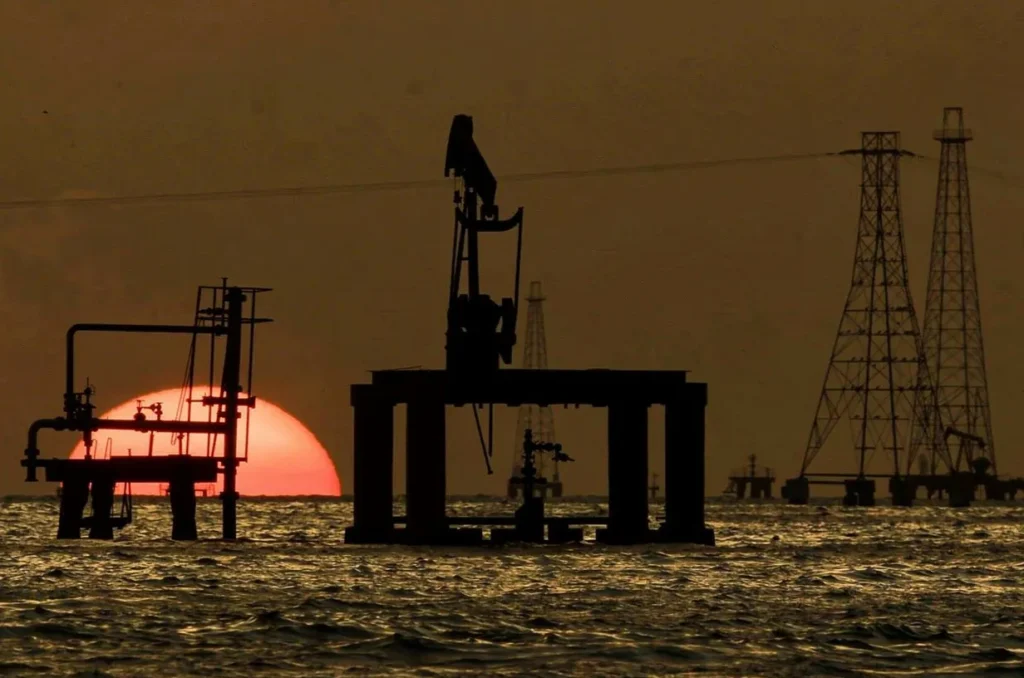
Chevron is preparing one of its biggest expansions in Venezuela in decades.
The company plans to invest more than $7 billion through its Venezuelan joint ventures and increase production to roughly 600,000 barrels per day over the next five years.
The expansion includes additional acreage around the Carabobo region in the Orinoco Belt, home to some of the world’s largest heavy-oil resources.
Venezuela currently produces around 1.25 million barrels per day, far below the more than 3 million barrels it pumped two decades ago. Years of underinvestment left an enormous resource base producing well below its potential.
Chevron is now betting that some of that lost production can come back.
The economics are what make the deal interesting
Chevron isn’t entering an undeveloped oil frontier.
Roads, pipelines, power systems and existing facilities are already in place across much of its operating footprint. Management expects total production costs to remain below $20 per barrel, giving the projects a meaningful cushion even if crude prices weaken.
That makes Venezuela potentially attractive for a very simple reason: there is already a huge amount of oil in the ground, and much of the infrastructure required to produce it already exists.
Chevron’s plan also comes with improved fiscal, commercial and legal protections designed to reduce some of the risks that historically made international oil companies hesitant to commit fresh capital.
Those protections will matter. Venezuela has an obvious history of political intervention in its energy sector, including the nationalization of assets previously owned by ExxonMobil and ConocoPhillips.
Chevron never fully left.
That century-long operating history gives it a position few competitors can easily recreate.
More Venezuelan barrels could change the supply picture
The bigger market implication is supply.
U.S. officials expect Venezuelan production to reach around 2 million barrels per day by the end of the decade. Chevron alone is targeting roughly 600,000 barrels per day.
If those barrels materialize, Venezuela begins to matter again as a serious source of incremental oil supply.
That doesn’t mean production jumps overnight. Heavy-oil developments require capital, equipment and operational consistency, and Venezuela still carries risks that are difficult to price.
But the direction is clear.
Washington is encouraging outside investment, Chevron is committing billions, and other companies including ENI, KEO Capital and Primavera are also preparing new or expanded agreements.
A country that spent years losing production is suddenly being positioned for growth.
This adds another ceiling to the long-term oil bull case
There is a reason this deserves attention beyond Chevron.
Oil prices are ultimately shaped by how much new supply the world can bring online. Over the last several years, one bullish argument has been that underinvestment and geopolitical instability would make meaningful production growth harder to find.
Venezuela complicates that thesis.
It holds the world’s largest proven oil reserves, yet produces only a fraction of its historical peak. Even a partial recovery could add hundreds of thousands of barrels per day to global supply.
That doesn’t eliminate geopolitical risk elsewhere, nor does it guarantee lower oil prices.
It does create another source of potential supply at a time when producers are looking for barrels that can be developed economically.
What we’re watching next
Chevron has already made the strategic decision. Execution comes next.
The key milestones are straightforward:
- Whether production begins moving toward the 600,000-barrel target
- Whether costs stay below $20 per barrel
- How quickly other international operators commit capital
- Whether Venezuela can reach the government’s 2 million-barrel-per-day target
If those numbers begin moving in the right direction, Venezuela could become one of the more important oil-supply stories of the next several years.
Chevron isn’t simply expanding an old operation.
It is betting that one of the world’s largest oil producers can start behaving like one again.
Explore More Stories in Commodities
Disclaimer
Wall Street Access is an independent financial publisher. Wall Street Access is not a financial advisor. No company mentioned has compensated Wall Street Access for the preparation, publication or distribution of this article. This content is provided for informational and educational purposes only and is not investment advice or a recommendation to buy, sell or hold any security. Investing involves risk, including the possible loss of principal.
Prices, market capitalizations, financial figures and other market data are based on information available as of the date and time of publication and may change without notice. Information is drawn from public sources believed to be reliable but is not guaranteed to be complete or accurate. Opinions and expectations expressed are our own and may change as new information becomes available.
Readers should conduct their own due diligence and contact a licensed financial professional before making any investment decision. Past performance does not guarantee future results. Any material ownership interest or conflict of interest, where applicable, will be disclosed separately.