A New Ground Rule for the AI Boom
The AI build-out just got a new requirement: bring your own power.
During the State of the Union address, the administration unveiled a “ratepayer protection pledge” that will require companies building large AI data centers to fund their own electricity generation and related infrastructure.
The reasoning is straightforward: the U.S. grid, officials argue, wasn’t built for the scale of demand AI now requires.
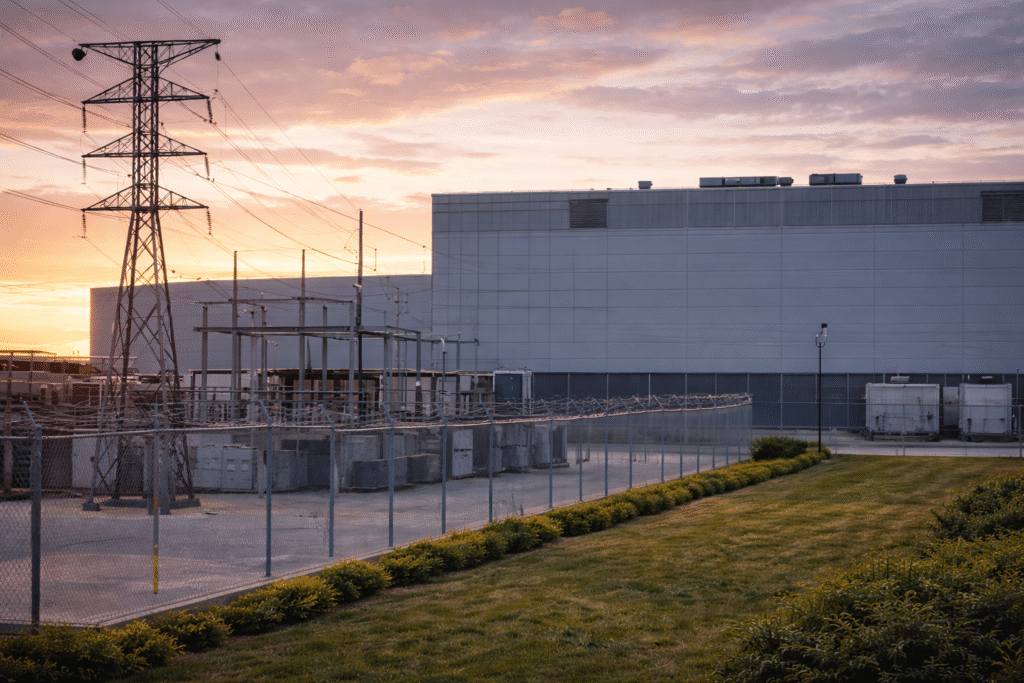
Data centers consume massive amounts of energy — and that demand is rising fast.
The Numbers Behind the Concern
According to estimates from the Lawrence Berkeley National Laboratory:
- U.S. data center power demand doubled between 2018 and 2024
- It could triple again by 2028
Meanwhile, the average retail electricity price reached 17.24 cents per kilowatt-hour in December, up roughly 6% year over year.
In regions like PJM Interconnection — the largest grid operator in the country — capacity prices have surged dramatically, jumping from $28.92 per megawatt-day for 2024–2025 to $329.17 for the 2026–2027 period.
That spike has raised concerns that households could end up subsidizing hyperscaler expansion.
Hyperscalers Expected to Self-Fund
Under the pledge, companies building AI data centers will be required to pay for their own electricity usage and, in some cases, build or co-locate generation assets.
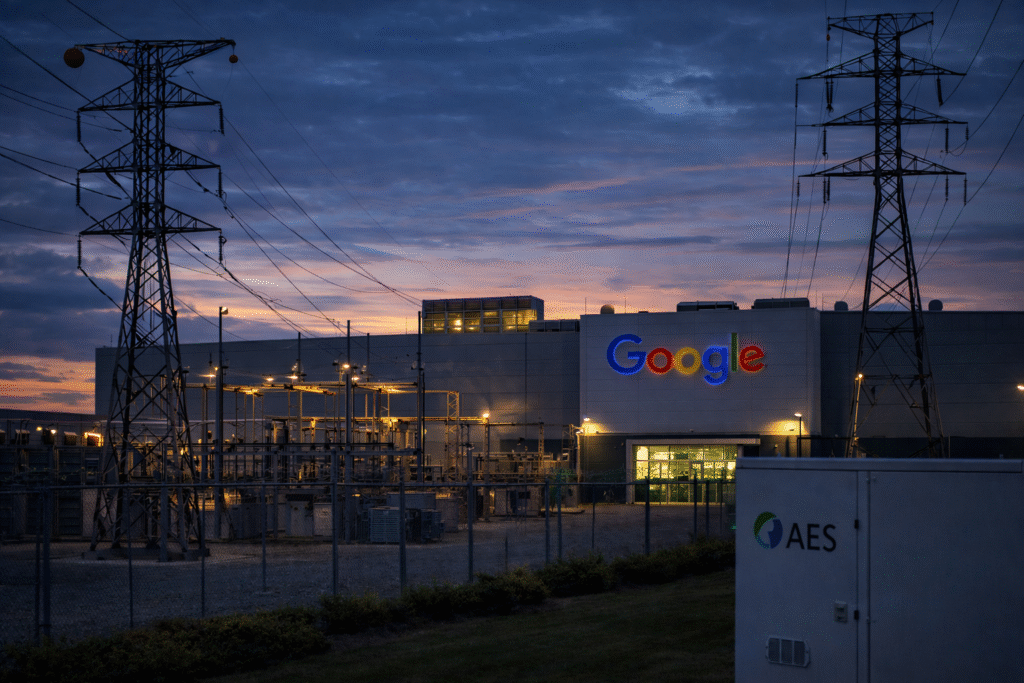
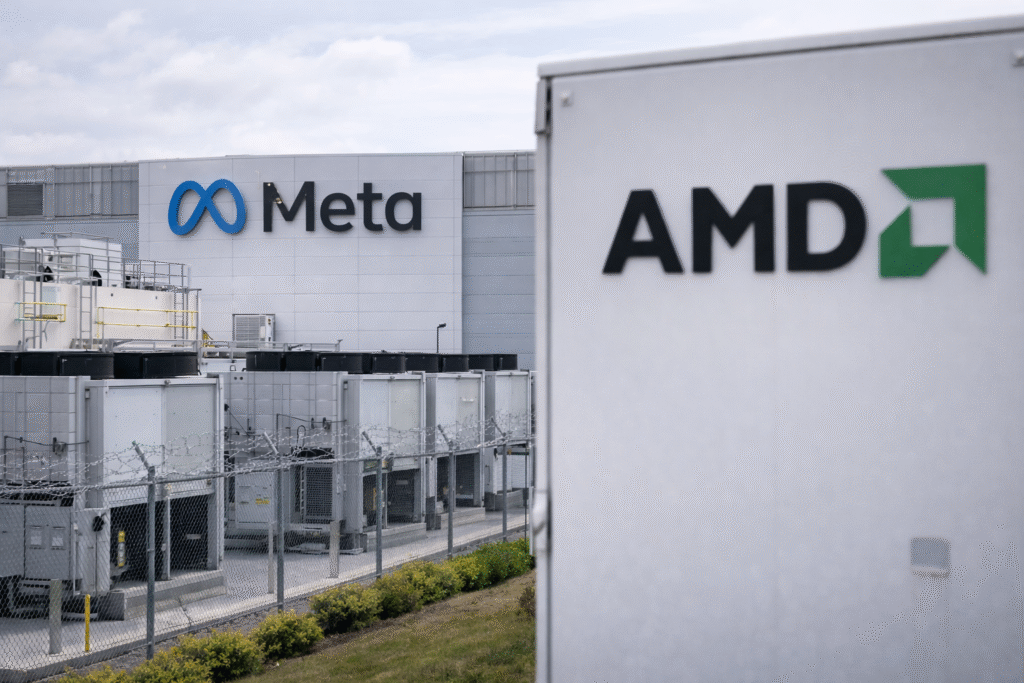
Energy officials indicated that major hyperscalers — including Alphabet, Meta, and Amazon — have signed onto the framework.
Several AI leaders had already begun moving in this direction:
- Microsoft committed to fully covering its data center energy costs.
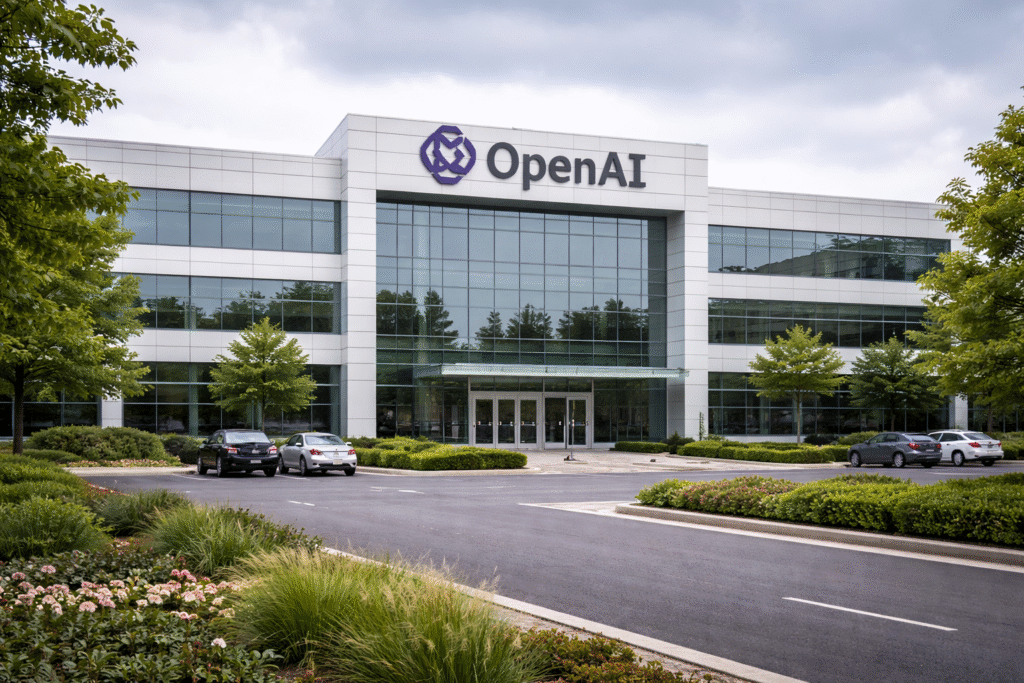
- OpenAI pledged to ensure its operations don’t increase local electricity prices.
- Anthropic stated it would fund 100% of required grid upgrades tied to its facilities.
The new policy formalizes that expectation at the federal level.
Political and Economic Pressure
Rising electricity prices have become a flashpoint, particularly as AI infrastructure expands rapidly.
Several states have already proposed temporary moratoriums on new data center construction amid concerns about grid strain and environmental impact.
The federal pledge aims to address that tension directly — ensuring that AI developers secure the power they need without shifting costs to consumers.
Officials have also encouraged PJM to consider emergency auctions that would allow tech companies to bid for long-term power agreements to stabilize supply and pricing.
WSA Take
AI is no longer just a software story — it’s an energy story.
The new policy signals a shift in how the U.S. plans to manage hyperscale AI expansion: growth is welcome, but not at the expense of ratepayers.
If enforced, this framework could accelerate private investment in:
- On-site generation
- Renewable energy projects
- Battery storage
- Long-term power purchase agreements
The AI race is increasingly about megawatts as much as models.
And from here forward, companies that want to scale compute will also need to scale power — on their own dime.
Disclaimer
WallStAccess is a financial media platform providing market commentary and analysis for informational and educational purposes only. This content does not constitute investment advice, a recommendation, or an offer to buy or sell any securities. Readers should conduct their own research or consult a licensed financial professional before making investment decisions.