DOE Targets a Full-Scale Nuclear Fuel Revival
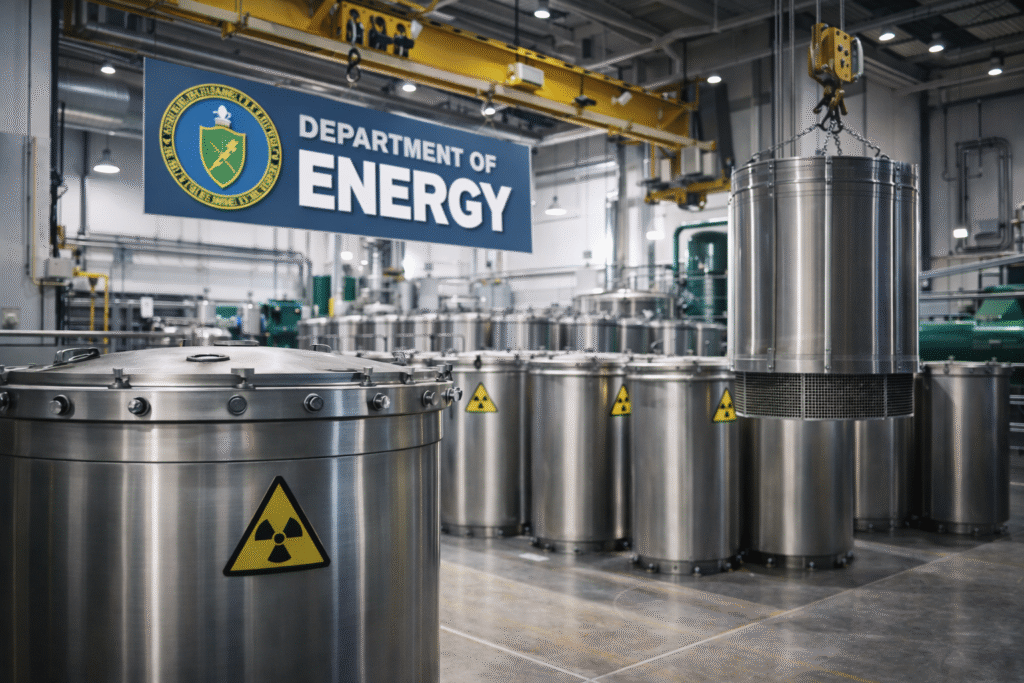
The U.S. Department of Energy announced a new initiative aimed at rebuilding and securing the nation’s nuclear fuel supply chain as interest in nuclear power accelerates.
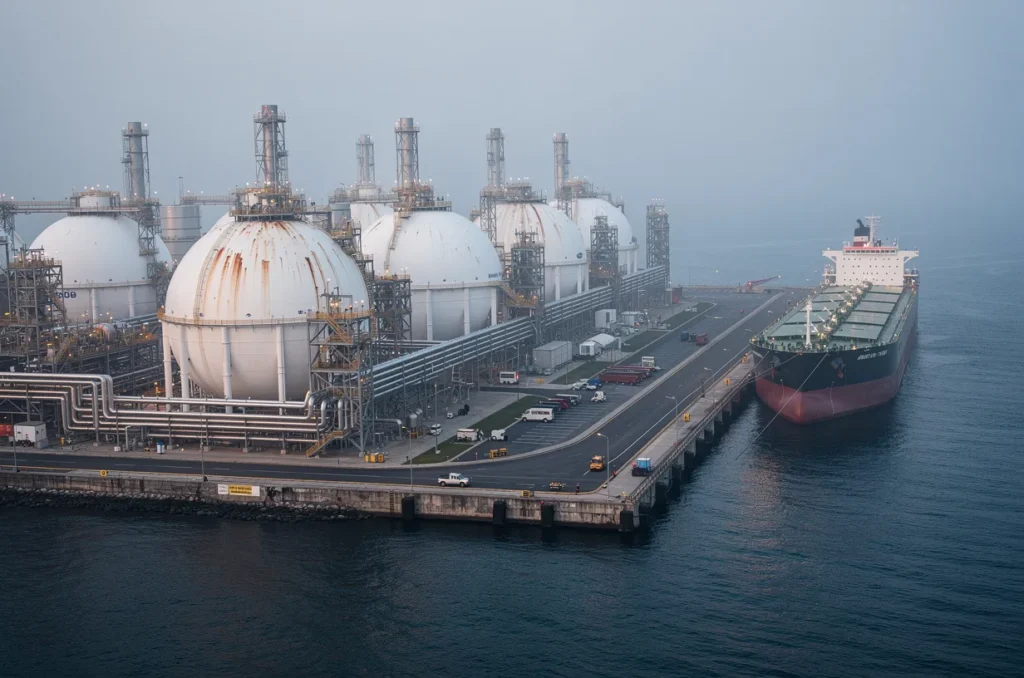
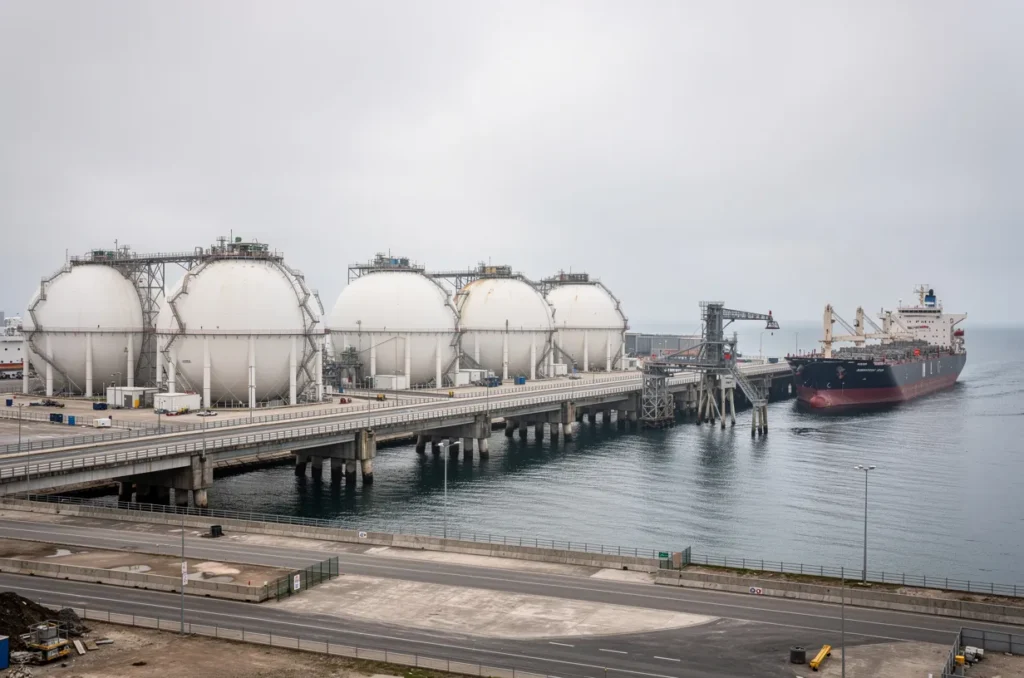
At the center of the plan are proposed “Nuclear Lifecycle Innovation Campuses,” large-scale hubs designed to support the entire nuclear fuel cycle — from uranium enrichment to fuel recycling — all within a single integrated location.
The department is asking U.S. states to formally express interest in hosting one of these campuses.
Why the Fuel Cycle Matters Now
Only about 5% of the energy potential in nuclear fuel is used during a reactor’s initial run, meaning the vast majority of spent fuel still contains usable material.
Despite this:
- The U.S. currently has no commercial-scale uranium recycling
- Much spent fuel is destined for long-term storage rather than reuse
- The country remains heavily dependent on imported uranium
DOE officials say the new campus model could change that by enabling recycling, enrichment, power generation, and reactor deployment in one location, reducing transport risks and improving efficiency.
Hyperscalers Are Driving the Economics
One of the strongest tailwinds behind the initiative is surging electricity demand from hyperscalers — data centers powering AI, cloud computing, and high-performance workloads.
According to the DOE:
- A single campus could attract up to $50 billion in private investment
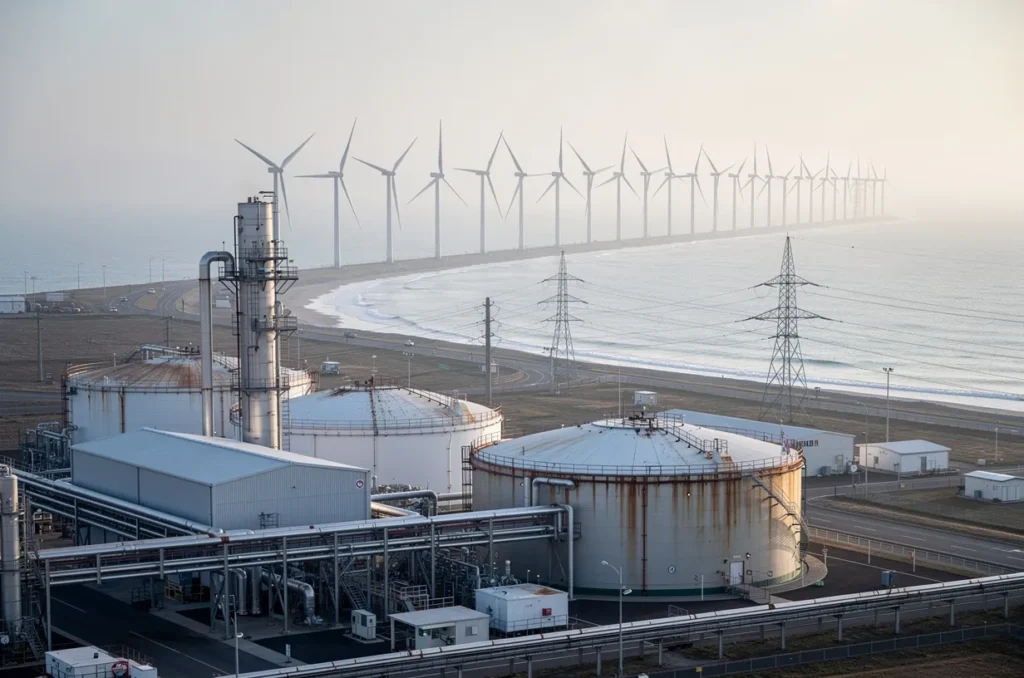
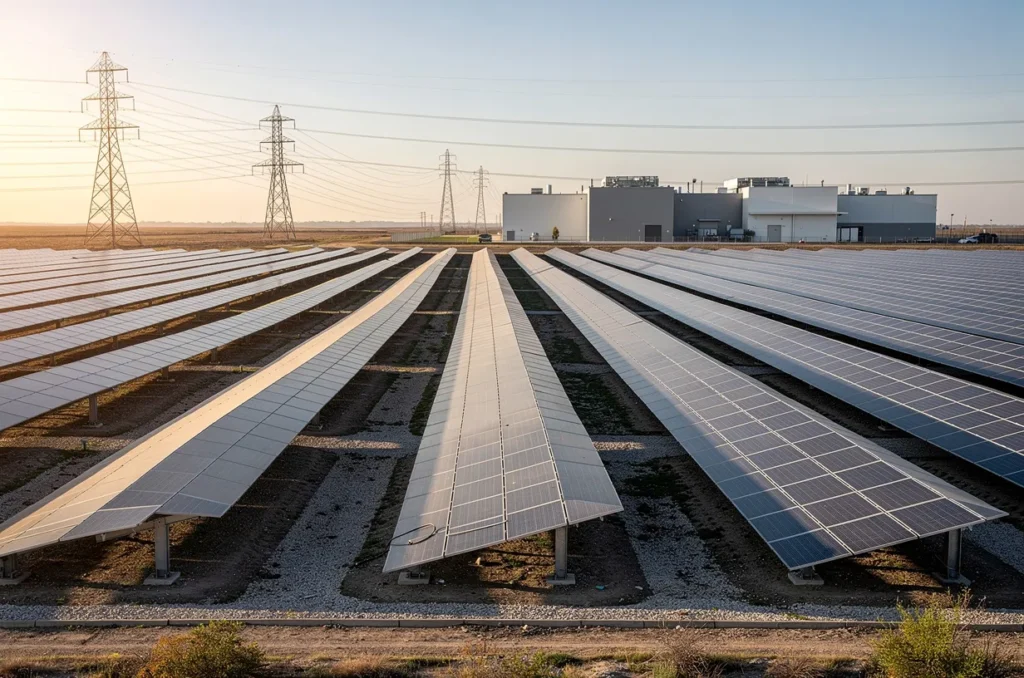
- Sites could host advanced reactors, power generation, and co-located data centers
- Co-location lowers infrastructure costs and improves energy reliability
Nuclear power already supplies about 21% of U.S. electricity, and its ability to deliver constant, carbon-free baseload power makes it increasingly attractive for large-scale compute infrastructure.
Federal Capital Is Already Flowing
The campus proposal builds on earlier funding moves by the department, including:
- $2.7 billion committed to expanding domestic uranium enrichment
- $900 million awarded to expand production at a facility in Ohio
- Ongoing loan support aimed at accelerating reactor construction
Officials have indicated that a significant share of DOE loan authority will be directed toward new nuclear plant development, including both large reactors and advanced small modular designs.
Strategic Energy Policy Shift
Nuclear power has become a central pillar of U.S. energy strategy, with federal policy now focused on:
- Speeding reactor deployment
- Strengthening domestic fuel security
- Reducing reliance on foreign uranium supply
- Supporting advanced and next-generation reactor technologies
Large-scale reactor buildouts and small advanced reactor programs are both being prioritized as part of this broader push.
WSA Take
This initiative signals a structural shift in how the U.S. views nuclear power — not just as a clean energy source, but as critical infrastructure for the AI and data center economy.
By targeting the full fuel lifecycle, the DOE is addressing the biggest bottleneck in nuclear expansion: fuel security and scalability.
If even one campus reaches full execution, it could reshape domestic uranium markets, accelerate reactor deployment, and anchor tens of billions in long-term capital investment. For energy, infrastructure, and compute investors, nuclear is moving from legacy power source to strategic growth asset.
Read our recent coverage on Mozilla Forming AI “Rebel Alliance”.
Explore more market insights on the WallStreetAccess homepage.
Disclaimer
WallStAccess does not work with or receive compensation from any companies mentioned. This content is for informational and educational purposes only and should not be considered financial advice. Always conduct independent research before investing.