Primorsk Takes A Direct Hit
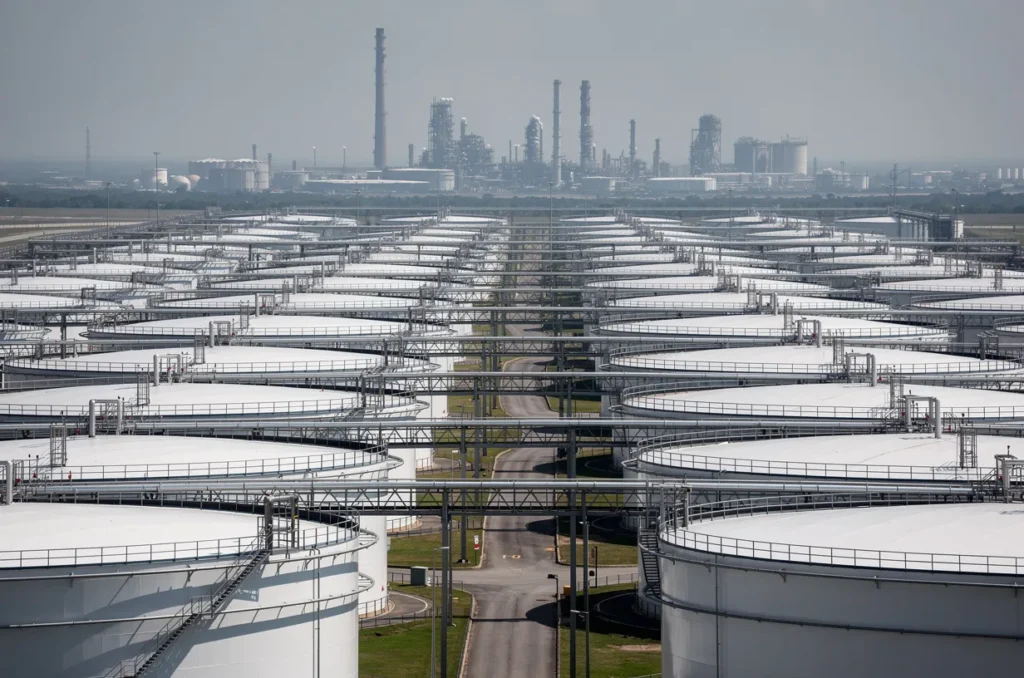
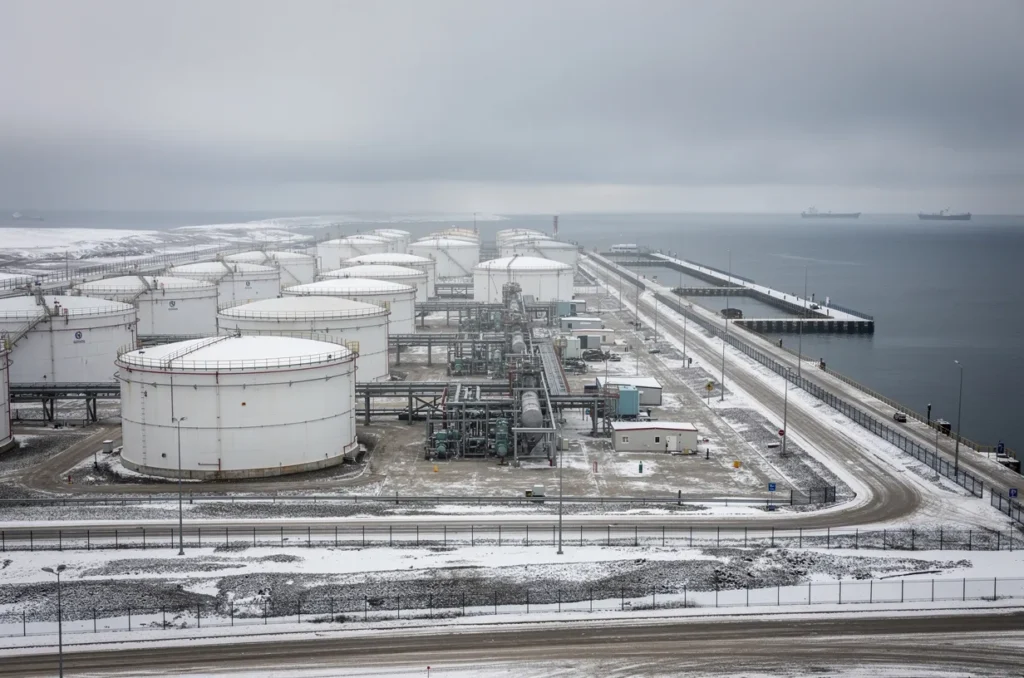
Russia’s Baltic Sea port of Primorsk, one of its largest oil export gateways, lost at least 40% of its storage facilities after Ukrainian drone attacks last month, satellite images showed. The damage matters because the terminal is built around storage and loading capacity that keeps crude moving through the export chain. When those tanks are taken offline, the impact can spread beyond the terminal itself and into shipment timing, turnover, and export flexibility. At some point last month, around 40% of Russia’s oil exporting capability was shut in as attacks on energy facilities intensified, the Druzhba pipeline in Ukraine was closed, and Russia-linked tankers were seized. That combination put fresh pressure on a system already facing repeated disruption.
What The Images Showed
Satellite images from the end of March showed at least eight reservoirs at Primorsk had been damaged. Each of those tanks has a capacity of 50,000 cubic metres, which puts the loss at a meaningful share of the terminal’s storage base. Primorsk can handle up to 1 million barrels per day, or almost 1% of global oil supply, making it a key outlet for Russian crude. Industry sources said two of the eight seriously damaged tanks were used to handle diesel.
- Primorsk has 14 crude oil reservoirs at its main depot.
- The port also has four facilities for diesel storage.
- The damaged tanks represent at least 40% of total storage at the terminal.
- Storage availability directly affects loading and export turnover.
The terminal’s role in the logistics chain is central. If storage is constrained, exporters may have less room to stage cargoes, which can slow operations even if the port itself remains open.
Ust-Luga Also Under Pressure
Primorsk was not the only Baltic Sea outlet hit. Ust-Luga was attacked several times last month and had to suspend loading. Russian local authorities said Ust-Luga was hit on March 22, 25, 27, 29 and 31, forcing pauses in export operations. Satellite images also showed damage from fire at the Ust-Luga Oil terminal, where eight oil product reservoirs, each with a capacity of 30,000 cubic metres, were damaged.
- Ust-Luga faced multiple strikes across the month.
- Loading operations were suspended after the attacks.
- Eight oil product reservoirs were damaged by fire at Ust-Luga Oil.
- That damage covered about one quarter of storage at the outlet.
- Some berth facilities were also hit.
The wider picture is straightforward: attacks on export infrastructure can pressure shipment volumes, disrupt scheduling, and raise the operational risk around Russian energy flows. That is especially relevant when multiple nodes in the same export corridor are affected at once.
Why It Matters Now
The latest damage adds another layer of uncertainty to Russian oil logistics at a time when energy infrastructure has become a direct target. For the market, the key issue is not only the physical damage, but whether the losses force longer operational pauses or reduce the pace of exports through the Baltic route.
- Storage losses can limit how much oil can be staged for export.
- Loading suspensions can delay cargo schedules.
- Repeated strikes raise the risk of broader disruptions.
The next focus will be whether Primorsk and Ust-Luga can keep operating near normal levels or whether the damage leads to more sustained constraints on export flows. That will matter for traders tracking Russian supply routes and for the broader oil market watching for any sign of tighter physical availability.
WSA Take
The strikes on Primorsk and Ust-Luga highlight a real operational risk for Russian oil exports, not just a headline event. Storage damage matters because it can slow the movement of crude even when barrels are still available upstream. The market will watch whether these terminals can maintain loading schedules or whether the damage leads to longer interruptions. Any sustained disruption at Baltic Sea export hubs can ripple through shipping patterns and supply expectations.
Explore More Stories in Commodities
Disclaimer
WallStAccess is a financial media platform providing market commentary and analysis for informational and educational purposes only. This content does not constitute investment advice, a recommendation, or an offer to buy or sell any securities. Readers should conduct their own research or consult a licensed financial professional before making investment decisions.