G-7 Moves to Calm Energy Markets
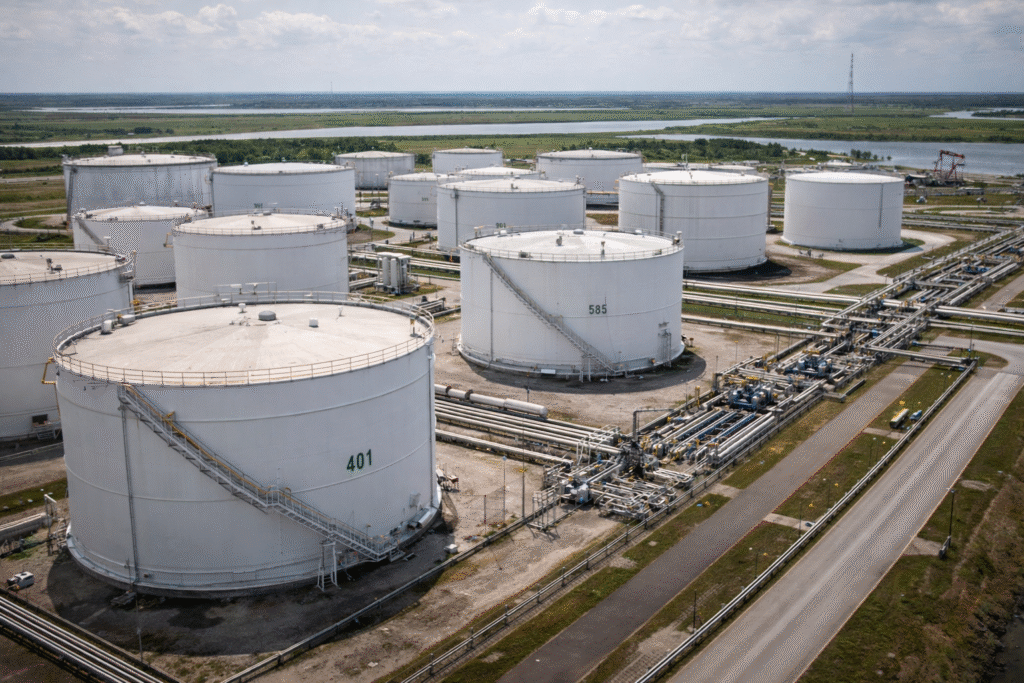
The Group of Seven is sending a clear message to oil markets: if supply conditions worsen, strategic reserves can be used.
Following a virtual meeting focused on the conflict in the Middle East and its impact on global markets, G-7 finance ministers said they stand ready to take “necessary measures” to support energy supply — including the release of emergency oil stockpiles.
That does not mean a coordinated release is imminent.
For now, officials say the group is still in monitoring mode. But the fact that stockpile releases are now being openly discussed tells you how seriously policymakers are taking the current supply shock.Why Markets Are Paying Attention
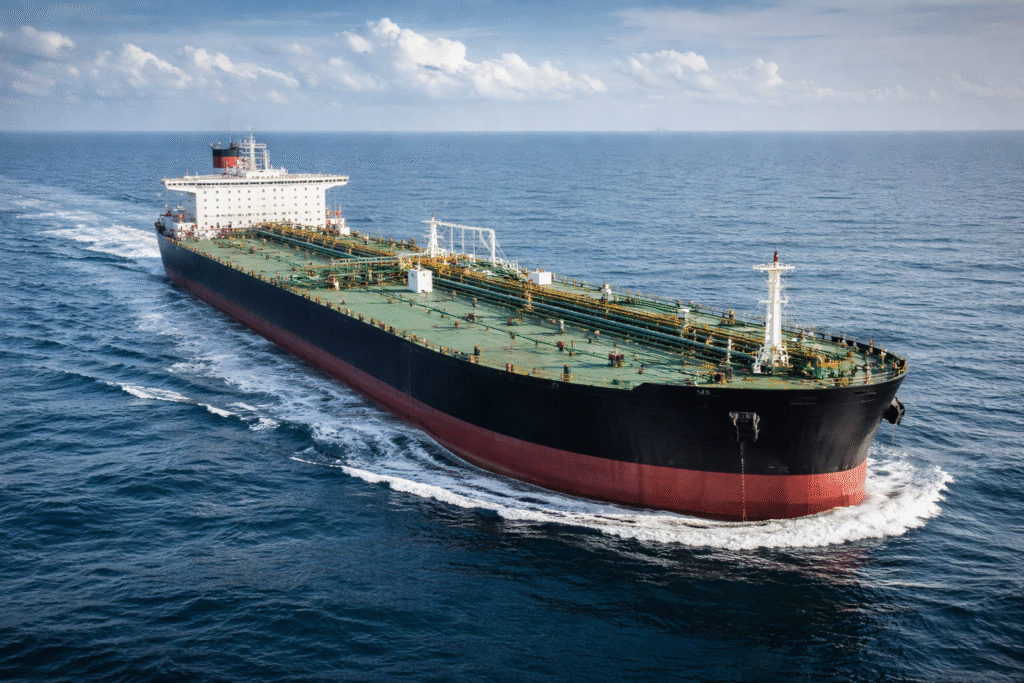
Oil surged sharply earlier in the week as traders priced in the implications of lower output from major regional producers and the effective shutdown of the Strait of Hormuz — one of the most important energy chokepoints in the world.
At one stage, Brent crude reportedly spiked as much as 29% before giving back part of the move once it became clear that the G-7 and international institutions were discussing possible stabilization measures.
That matters because strategic reserve releases are typically treated as a last-resort tool meant to calm panic and bridge temporary supply disruptions.
Just putting that option on the table can shift sentiment.
Not a Supply Shortage — Yet
The key message from G-7 officials was that the world is not currently facing a physical supply collapse.
Instead, the more immediate problem is price.
That distinction is important.
If governments believe there is still enough oil in the system — but markets are reacting violently to shipping risks and geopolitical fear — then the goal becomes preventing a temporary disruption from turning into a broader inflation shock.
In other words, this is about managing confidence as much as managing barrels.
The Role of the IEA
Any coordinated reserve release would likely run through the International Energy Agency, which has historically overseen these types of emergency actions.
That has only happened a handful of times, including:
- During the first Gulf War
- After Hurricane Katrina
- Following Libyan supply disruptions
- Twice after Russia’s invasion of Ukraine in 2022
So while stockpile releases are rare, there is a clear precedent when markets face concentrated geopolitical supply risk.
Why This Matters for Markets
If energy prices remain elevated, the effects spread quickly:
- Higher fuel costs for consumers
- More pressure on airlines and freight
- Rising inflation expectations
- Less flexibility for central banks
That is why policymakers are moving early to frame the situation as manageable.
They are trying to stop a supply-risk narrative from becoming a macroeconomic spiral.
WSA Take
The G-7 is not releasing oil reserves yet — but it wants the market to know it could.
That alone is meaningful.
When officials begin openly discussing emergency stockpile use, it signals that the current disruption is being treated as a serious global risk, not just a regional headline.
For now, the bigger issue appears to be price rather than absolute shortage.
But if shipping through Hormuz remains constrained and production cuts deepen, the conversation could shift quickly from “monitoring” to “action.”
Markets heard the signal.
Now they’ll watch oil to see if it’s enough.
Explore More Stories in Commodities
Disclaimer
WallStAccess is a financial media platform providing market commentary and analysis for informational and educational purposes only. This content does not constitute investment advice, a recommendation, or an offer to buy or sell any securities. Readers should conduct their own research or consult a licensed financial professional before making investment decisions.