Gold and Silver Bounce After Violent Selloff
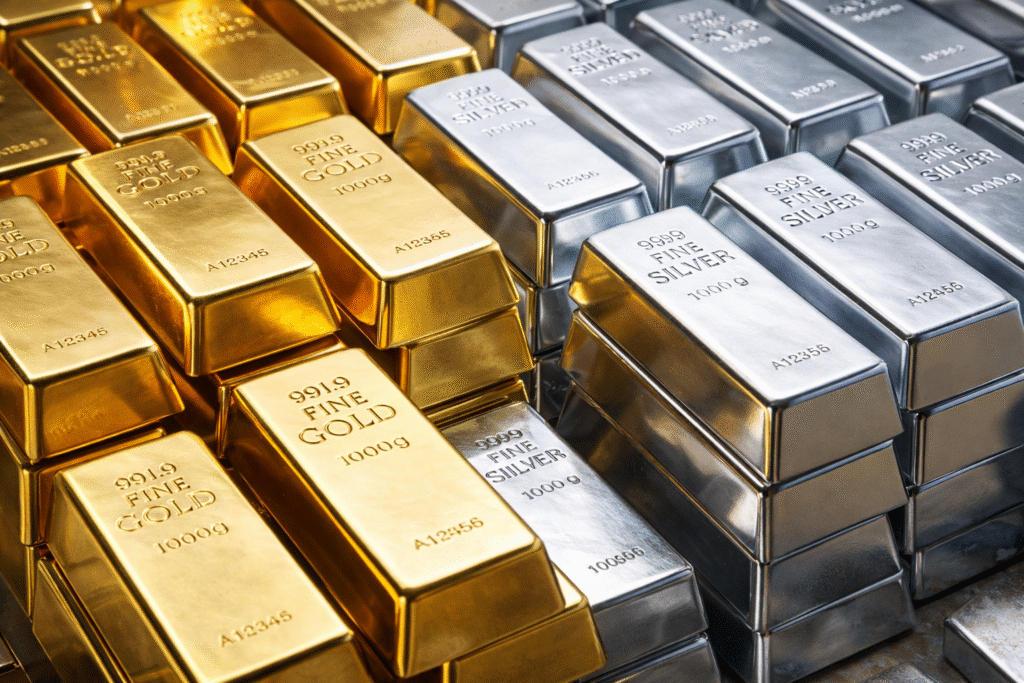
Gold and silver staged a powerful rebound Tuesday morning after last week’s historic collapse from record highs drew dip buyers back into the precious metals market.
Spot gold surged more than 6% to trade above $4,950 an ounce, recovering part of its steepest decline in over a decade. Silver outperformed, jumping more than 12% and reclaiming levels above $89 an ounce as broader markets shifted into a risk-on tone and the U.S. dollar weakened.=
From Momentum Frenzy to Forced Unwind
The rebound follows one of the most violent reversals the precious metals market has seen in years.
Gold and silver had surged through January on a mix of:
- Speculative momentum
- Geopolitical instability
- Concerns over central bank independence
- Heavy inflows into leveraged products
That rally abruptly unraveled late last week. Silver suffered its largest daily drop on record, while gold posted its sharpest fall since 2013, as warnings mounted that prices had risen too far, too fast.
The selloff accelerated during Asian trading hours, driven by:
- Large speculative positioning
- Heavy call-option exposure
- Rapid unwinds in leveraged exchange-traded products
The slide extended into Monday before bargain hunters began stepping back in.
Banks Still Back the Bull Case
Despite the turbulence, major banks continue to argue the long-term case for gold remains intact.
Strategists see the recent correction as a necessary reset rather than the end of the rally, noting that macro conditions supporting precious metals have not materially changed.
Some banks are standing by aggressive upside forecasts, with targets well above current levels over the medium term.
China’s Role Back in Focus
The pace of dip buying from China could play a key role in shaping the next leg of the market.
Ahead of the Lunar New Year, buyers reportedly returned in force to major bullion hubs, snapping up bars and jewelry after prices pulled back. However, China’s financial markets will soon close for the holiday period, temporarily removing a major source of demand.
At the same time, state-owned banks are tightening controls on gold investment activity in an effort to manage volatility after last week’s extreme price swings.
Dollar Weakness and Geopolitics Remain Drivers
The rebound has also been supported by renewed weakness in the U.S. dollar, which tends to boost demand for dollar-priced commodities like gold and silver.
Investors are additionally watching tensions between the U.S. and Iran. Any diplomatic breakthrough could ease haven demand, while renewed escalation would likely reinforce precious metals’ appeal.
WSA Take
Last week’s collapse was brutal — but it flushed out excess leverage.
Gold and silver are now trading in a market defined by volatility, not complacency. While short-term swings may remain violent, the structural forces behind the precious metals trade — currency debasement, geopolitical risk, and long-term debt concerns — are still firmly in place.
For investors, this rebound underscores a key reality:
the gold bull market may be shaken, but it’s not broken.
Explore More Stories in Commodities
Disclaimer
WallStAccess is a financial media platform providing market commentary and analysis for informational and educational purposes only. This content does not constitute investment advice, a recommendation, or an offer to buy or sell any securities. Readers should conduct their own research or consult a licensed financial professional before making investment decisions.