Stocks Steady After Early Oil Panic
U.S. stocks clawed back much of their early weakness Monday after oil prices cooled from a violent overnight surge tied to the Middle East conflict.
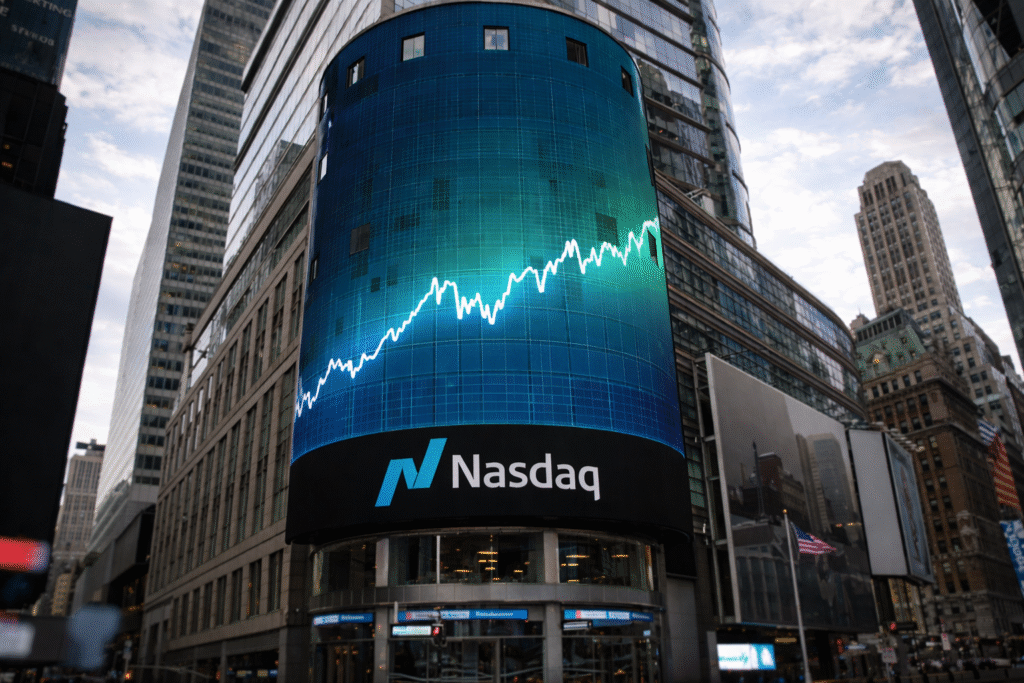
The Nasdaq Composite managed to turn positive, while the Dow and S&P 500 stayed lower but well off their session lows. The rebound came after crude, which had briefly surged above $100 and even toward $120 in overnight trading, pulled back as policymakers signaled they may step in to support supply.
That mattered because the market’s biggest fear was not just war headlines — it was the idea that an oil shock could quickly turn into a broader inflation shock.
Oil Is Still the Main Story
Energy markets remain the center of gravity.
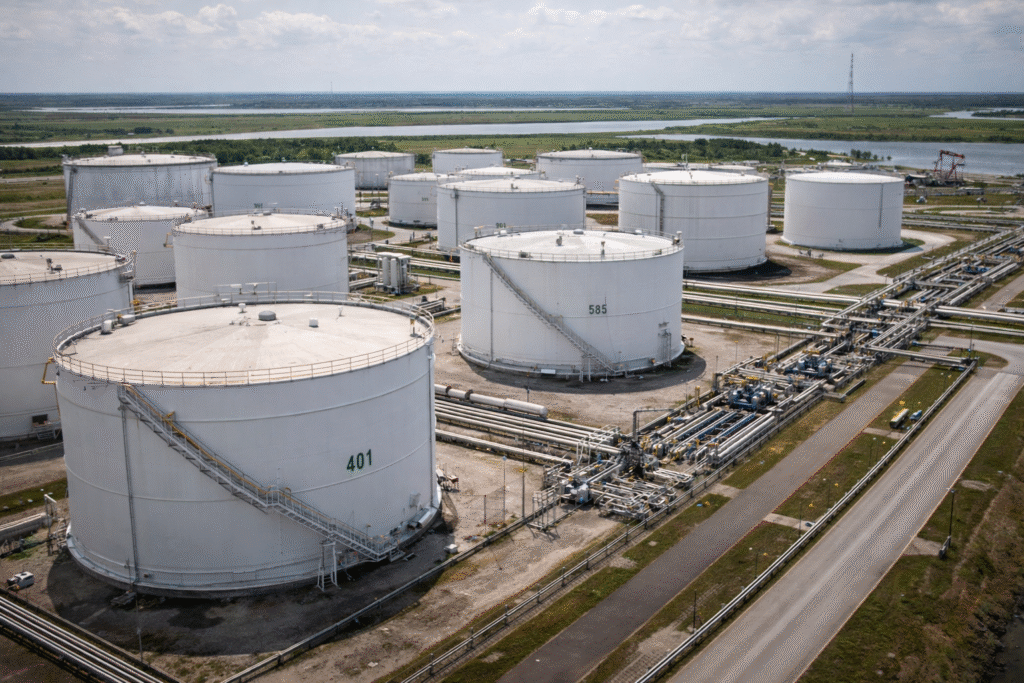
Brent and WTI both spiked sharply after escalating conflict disrupted production and shipping in the Gulf region, with Saudi Arabia, Iraq, Kuwait, Qatar, and the UAE all reported to have cut output as shipping routes became constrained.
The tone improved after the G-7 said it was prepared to take “necessary measures,” including potential emergency reserve releases, if supply conditions worsen. That helped calm traders who had been pricing in a much deeper energy shock.
Even after easing, oil remains elevated enough to keep inflation nerves alive.
Inflation Data Matters Even More Now
This week’s inflation reports were already important. Now they matter more.
Investors are looking ahead to CPI and PCE readings for clues on the inflation trend, but those numbers are unlikely to fully capture the latest oil spike just yet. That means the market may still be underestimating how much energy volatility could bleed into future price data.
If crude stays elevated, it raises the odds of:
- hotter inflation prints ahead
- a more cautious Fed
- tighter financial conditions across the economy
Bond-Market Stress Is a Bigger Risk Than It Looks
Another issue quietly building in the background is the bond market.
Macro strategist Alfonso Peccatiello warned that leveraged Treasury trades could unwind quickly in a volatile environment, forcing investors to sell even traditional safe havens. That helps explain why long-dated Treasury yields have risen instead of falling cleanly during a geopolitical shock.
When bonds stop acting like a clean hedge, the pressure on equities can intensify fast.
WSA Take
Monday’s rebound was encouraging, but it was not clean.
The Nasdaq turning green tells you dip-buyers are still active. The problem is that this market is no longer trading on earnings or valuation alone — it is trading on oil, inflation, and macro stress.
If crude keeps pulling back, stocks may find room to stabilize.
If oil re-accelerates and bonds stay jumpy, the market could quickly go from “buy the dip” to “protect the downside.”
For now, Wall Street got a little relief.
It did not get clarity.
Explore More Stories in Markets
Disclaimer
WallStAccess is a financial media platform providing market commentary and analysis for informational and educational purposes only. This content does not constitute investment advice, a recommendation, or an offer to buy or sell any securities. Readers should conduct their own research or consult a licensed financial professional before making investment decisions.