What Happened
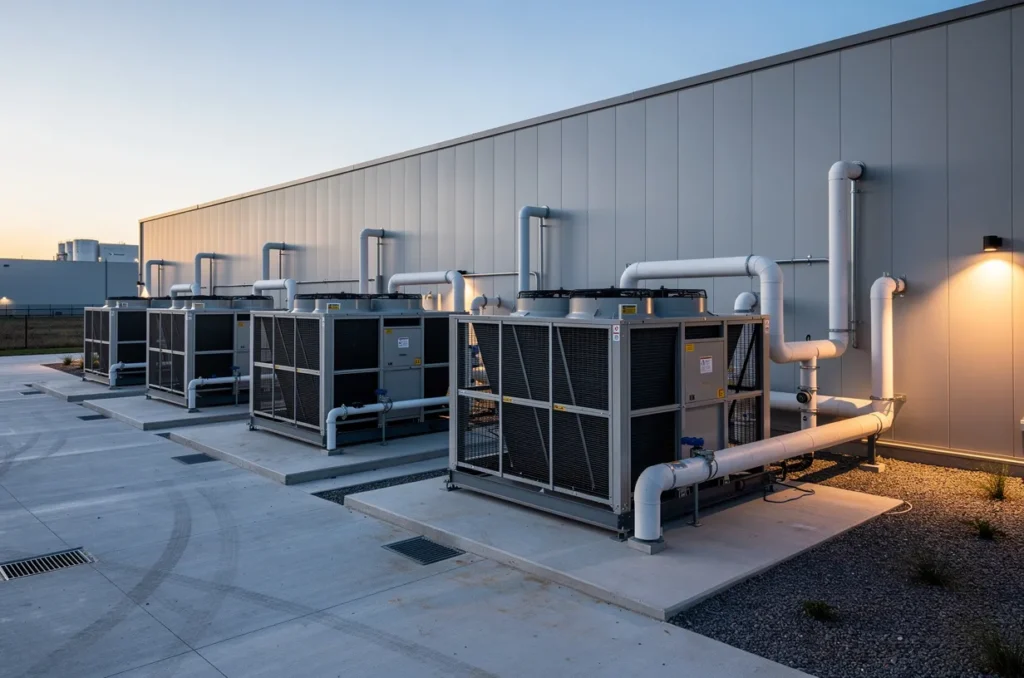
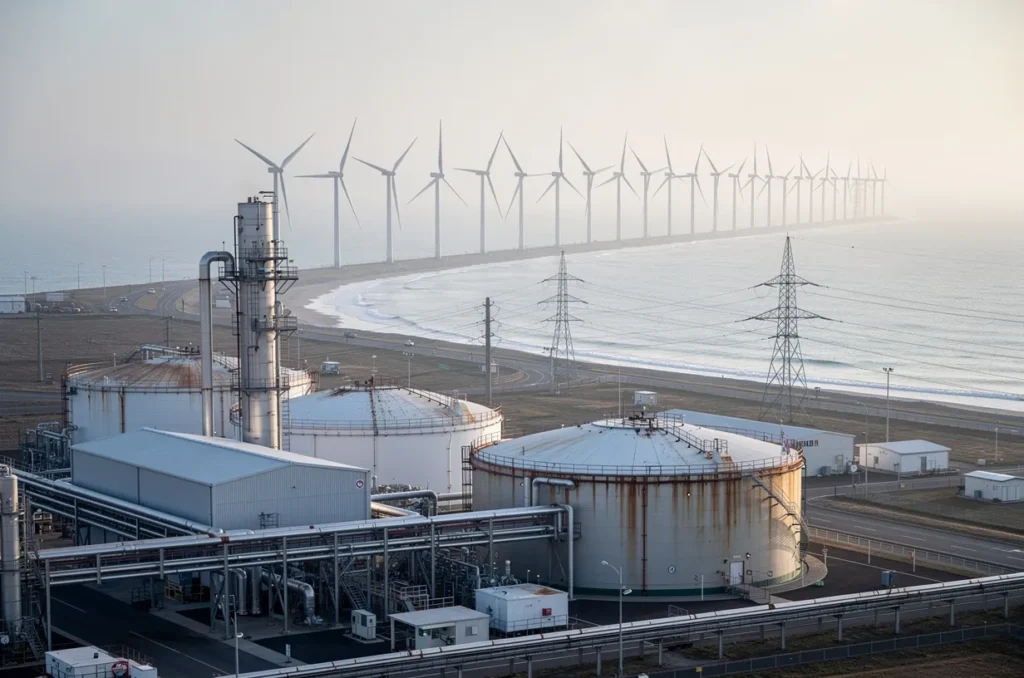
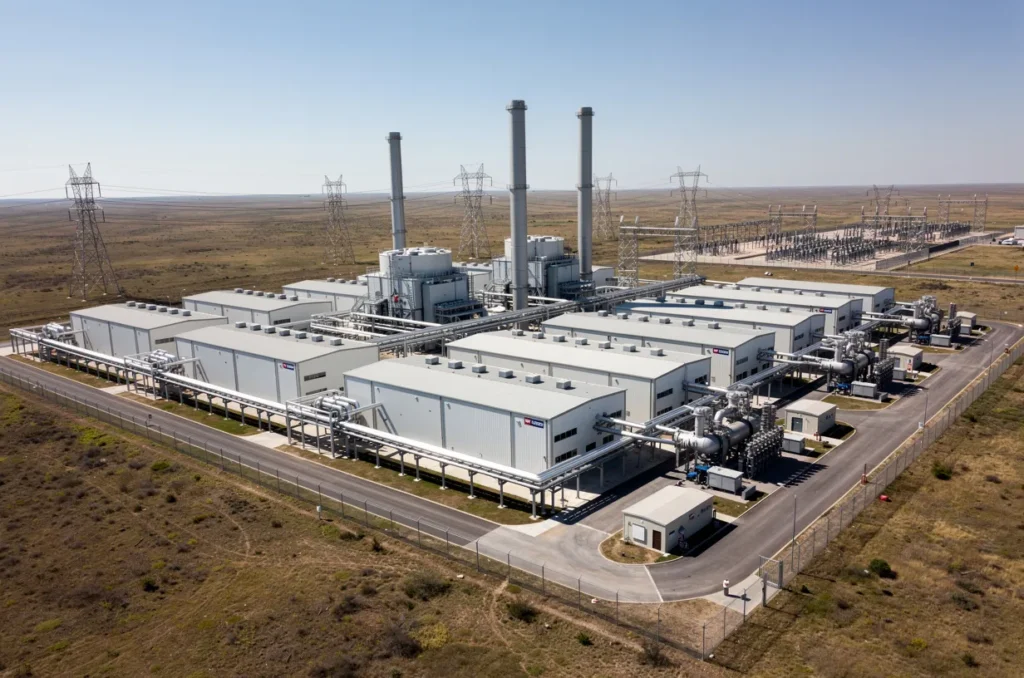
NextEra Energy (NEE) said the U.S. President approved the development of up to 10 gigawatts of natural gas-fired power generation in Texas and Pennsylvania. The approval was presented as part of a broader U.S.-Japan trade agreement framework.
NextEra said it will build and operate the projects, which are expected to be jointly owned by U.S. and Japanese stakeholders. The company positioned the buildout as a response to fast-rising power demand from large loads such as data centers and advanced manufacturing.
- Approved scope: up to 10 GW across Texas and Pennsylvania
- Fuel type: natural gas-fired generation
- NextEra’s role: builder and operator
- Ownership expectation: U.S. and Japanese stakeholders
Why The Deal Context Matters
NextEra tied the approval to Japan’s $550 billion investment commitment to the U.S. The two countries announced expanded cooperation at a summit on Thursday, including Japanese investment of up to $73 billion in U.S. energy projects and an action plan focused on developing alternatives to China for critical minerals and rare earths.
For investors, the key angle is that large cross-border capital commitments can support a longer runway for U.S. energy infrastructure buildouts—especially generation capacity that can be deployed at scale and aligned with rising industrial and digital demand.
- Japan investment commitment cited: $550 billion
- Energy investment cooperation: up to $73 billion for U.S. energy projects
- Policy focus area: critical minerals and rare earths supply alternatives
How NextEra Is Positioning The Projects
NextEra said the plants are aimed at meeting rising electricity demand from large users without increasing household power bills. The company also said the approved developments include its previously disclosed Texas hub, which it is developing with Comstock Resources.
Chief executive officer John Ketchum said the projects align with NextEra’s broader hub strategy and with the U.S. administration’s objective of expanding domestic energy supply. NextEra said it is targeting about 40 hub sites, with 30 in various stages of development.
- Included asset: previously disclosed Texas hub with Comstock Resources
- Strategy framing: hub strategy tied to domestic supply expansion
- Development pipeline: about 40 hub sites targeted
- Status update: 30 hubs in various stages of development
A Separate Ohio Buildout Adds To The Theme
In a separate announcement, the U.S. Energy Department said it partnered with SB Energy (a SoftBank Group unit) and AEP to build 9.2 gigawatts of natural gas power capacity in Ohio, backed by $33.3 billion in Japanese funding.
Together, the items underscore how quickly the U.S. power system is being asked to add dispatchable capacity alongside the broader buildout needed to serve fast-growing demand.
What Investors Will Watch Next
Investors will watch for clearer project-level timelines, final ownership structures, and where exactly the Texas and Pennsylvania sites land within NextEra’s hub pipeline. For U.S. investors, the biggest swing factor is whether these large-load-driven projects convert into contracted, financeable builds on a predictable schedule.
WSA Take
NextEra Energy (NEE) is framing these approvals as a scalable step in its hub strategy, with up to 10 GW of new gas generation tied to a wider U.S.-Japan investment push. The near-term market relevance is less about headlines and more about execution: siting, contracting, ownership terms, and build timing will determine how meaningful this becomes for earnings and capital needs. The separate Ohio announcement from the U.S. Energy Department points to the same underlying driver—large-load demand is forcing faster decisions on firm power. Watch for how quickly these projects move from approval to concrete development milestones.
Explore More Stories in Markets
Disclaimer
WallStAccess is a financial media platform providing market commentary and analysis for informational and educational purposes only. This content does not constitute investment advice, a recommendation, or an offer to buy or sell any securities. Readers should conduct their own research or consult a licensed financial professional before making investment decisions.