Nvidia Pulls Back From China
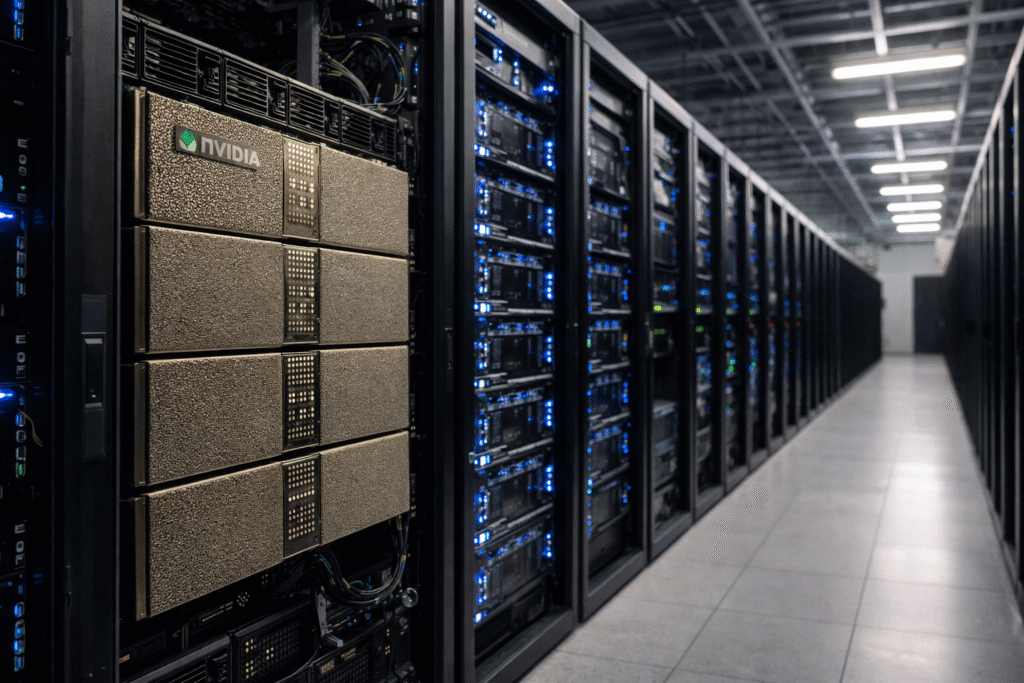
Nvidia has reportedly halted production of its H200 AI chips destined for China, signaling the growing impact of geopolitical and regulatory pressure on the global semiconductor supply chain.
According to reports, the company has asked manufacturing partner TSMC to shift production capacity away from H200 chips and toward its next-generation Vera Rubin AI platform.
The move suggests Nvidia no longer expects meaningful near-term sales of the chip in China, despite earlier hopes that the product would comply with export restrictions.
While limited shipments had been approved by U.S. regulators, the company has yet to generate revenue from Chinese customers using the chip.
For Nvidia, the pivot reflects a broader reality: the AI chip race is increasingly shaped not just by demand, but by geopolitics.
AI Investments May Slow
The shift also comes as Nvidia CEO Jensen Huang signaled that the company’s massive investments in leading AI startups may be nearing their peak.
Nvidia has poured tens of billions into the AI ecosystem, including major stakes in OpenAI and Anthropic. Huang recently suggested those investments are largely complete as both companies move closer to potential public listings.
In other words, Nvidia may now shift focus from funding AI platforms to building the hardware infrastructure powering them.
Anthropic Returns to the Pentagon Table
Meanwhile, Anthropic appears to be reopening negotiations with the U.S. Department of Defense after talks between the two sides collapsed last week.
The breakdown came amid disagreements over how the military could use Anthropic’s AI systems.
The company had sought restrictions preventing its models from being used for autonomous weapons systems or mass domestic surveillance, while defense officials pushed for broader operational flexibility.
Now both sides appear to be exploring a compromise that could allow the Pentagon to continue using Anthropic’s models without formally designating the company as a national security supply chain risk.
Such a designation would have significant consequences for Anthropic’s business with government contractors.
OpenAI Looks Toward Advertising
At the same time, OpenAI is reportedly exploring an early-stage partnership with advertising technology platform Trade Desk, which could open new revenue channels for the rapidly expanding AI company.
The potential collaboration would allow advertisers to place campaigns at scale using automated ad-buying tools connected to OpenAI’s ecosystem.
Advertising could become increasingly important for the company as it seeks to monetize its enormous user base — estimated to exceed 900 million users globally, many of whom use the platform without paying subscription fees.
OpenAI had previously explored embedding shopping features directly inside ChatGPT, but reports suggest those plans are now being scaled back in favor of external integrations.
Apple Continues Hardware Push
Elsewhere in the tech sector, Apple unveiled a series of new devices, including:
- A low-cost MacBook Neo
- The entry-level iPhone 17e
- Updated iPad Air models
- New MacBook Air and Pro laptops powered by M5 chips
The launches highlight Apple’s continued strategy of expanding its product ecosystem while integrating more AI capabilities into its hardware lineup.
WSA Take
This week’s developments highlight how the AI race is evolving across three fronts:
Semiconductors: Nvidia is repositioning its production strategy as geopolitical restrictions reshape global chip markets.
Defense and regulation: AI companies are navigating complex government partnerships as military applications of artificial intelligence expand.
Monetization: Platforms like OpenAI are searching for sustainable revenue models beyond subscriptions.
The AI economy is no longer just about building smarter models.
It’s becoming a full-stack battle involving chips, cloud infrastructure, defense contracts, and consumer platforms.
And every layer of that stack is now strategic.
Disclaimer
WallStAccess is a financial media platform providing market commentary and analysis for informational and educational purposes only. This content does not constitute investment advice, a recommendation, or an offer to buy or sell any securities. Readers should conduct their own research or consult a licensed financial professional before making investment decisions.