Oil Prices Jump on Tanker Attack
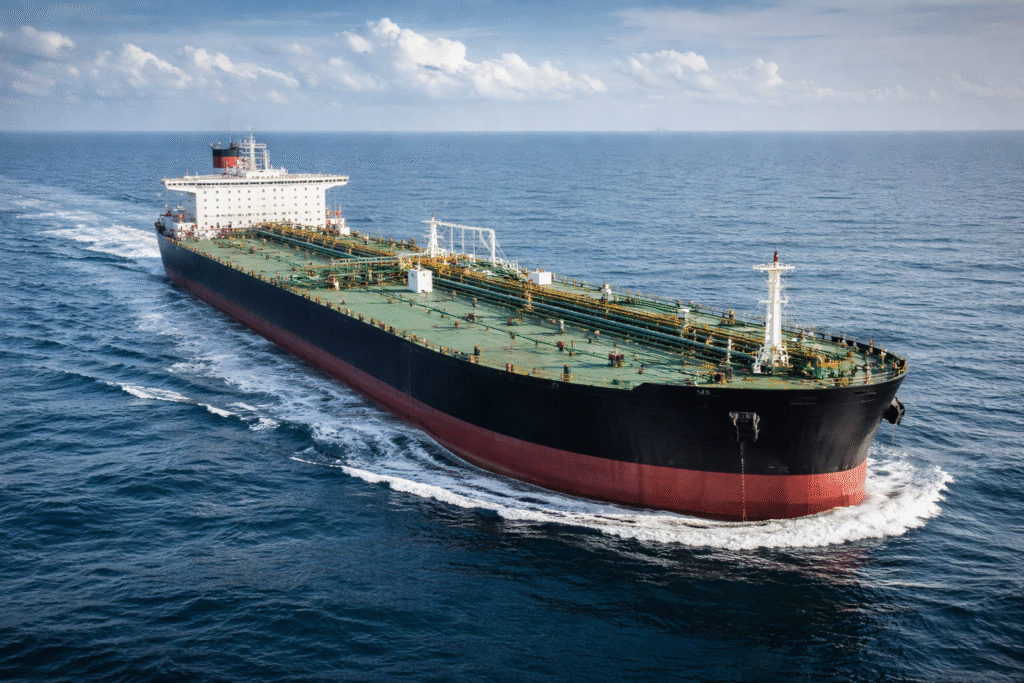
Oil markets surged Thursday after reports that Iran had launched a missile strike on an oil tanker, intensifying fears of disruption to one of the world’s most critical energy shipping lanes.
U.S. benchmark West Texas Intermediate crude rose above $79 per barrel, while global benchmark Brent crude climbed toward $85 per barrel.
The rally extended a dramatic move higher in energy markets, with oil prices gaining more than 17% over the past week as geopolitical tensions escalated.
Strait of Hormuz Becomes the Market’s Flashpoint
At the center of the market’s anxiety is the Strait of Hormuz, a narrow shipping corridor between Iran and Oman through which roughly 20% of global oil consumption flows.
Following the outbreak of hostilities, tanker operators have grown increasingly reluctant to move cargo through the region due to security risks.
Iran’s Revolutionary Guard has reportedly threatened to attack vessels attempting to pass through the strait, raising fears of a prolonged disruption to global oil supply.
Explosion Report Adds to Uncertainty
Further complicating the situation, the British Navy reported a large explosion aboard a tanker anchored in Iraqi territorial waters.
The vessel’s crew was reported safe, though the ship’s captain said a small vessel fled the area shortly after the incident.
While details remain unclear, the event underscored how quickly the conflict is spilling into critical global energy infrastructure.
Shipping Traffic Slows
Since the start of hostilities, tanker traffic through the Strait of Hormuz has slowed significantly.
Shipowners and insurers are reassessing the risks of moving cargo through the region, which could constrain oil supply even without a formal blockade.
Given the strait’s importance to global energy markets, even partial disruptions can trigger sharp price swings.
U.S. Considers Military Escort for Tankers
In response to the escalating risks, the United States has signaled it could provide naval escorts and political risk insurance for tankers traveling through the Persian Gulf.
Officials say the move is aimed at restoring commercial shipping confidence and preventing a supply shock in global oil markets.
However, authorities have not provided a timeline for when the shipping corridor may return to normal operations.
WSA Take
Energy markets are now trading almost entirely on geopolitics.
The Strait of Hormuz has long been considered one of the world’s most vulnerable energy chokepoints — and this week’s developments show why.
Even the threat of disruption can send oil prices sharply higher.
If tanker traffic remains constrained, the ripple effects could extend beyond energy markets, potentially feeding inflation pressures and complicating central bank policy.
For now, oil traders are watching the same thing as global markets.
The Strait.
Explore More Stories in Commodities
Disclaimer
WallStAccess is a financial media platform providing market commentary and analysis for informational and educational purposes only. This content does not constitute investment advice, a recommendation, or an offer to buy or sell any securities. Readers should conduct their own research or consult a licensed financial professional before making investment decisions.