What Happened
Oil flipped from gains to losses as traders weighed two competing forces at once: a reported push for a Middle East ceasefire and a fresh ultimatum from President Donald Trump for Iran to reopen the Strait of Hormuz.
West Texas Intermediate traded above $111 a barrel after earlier climbing close to $115. The market initially reacted to ongoing supply fears, but momentum faded as reports emerged that Pakistan, Egypt, and Turkey were pushing for a potential 45-day ceasefire to prevent threatened U.S. strikes on Iranian energy assets and retaliation from Tehran.
Iran’s Foreign Ministry said the country is seeking a definitive end to the war, not just a temporary truce.
Trump’s Deadline Kept The Pressure On
Over the weekend, Trump threatened to bring “Hell” to Iran with strikes on power plants and bridges if the Strait of Hormuz was not reopened. He later announced what appeared to be a new Tuesday 8 p.m. deadline, without offering further details.
Tehran rejected the demand, and the strait remains closed to all but a limited number of vessels.
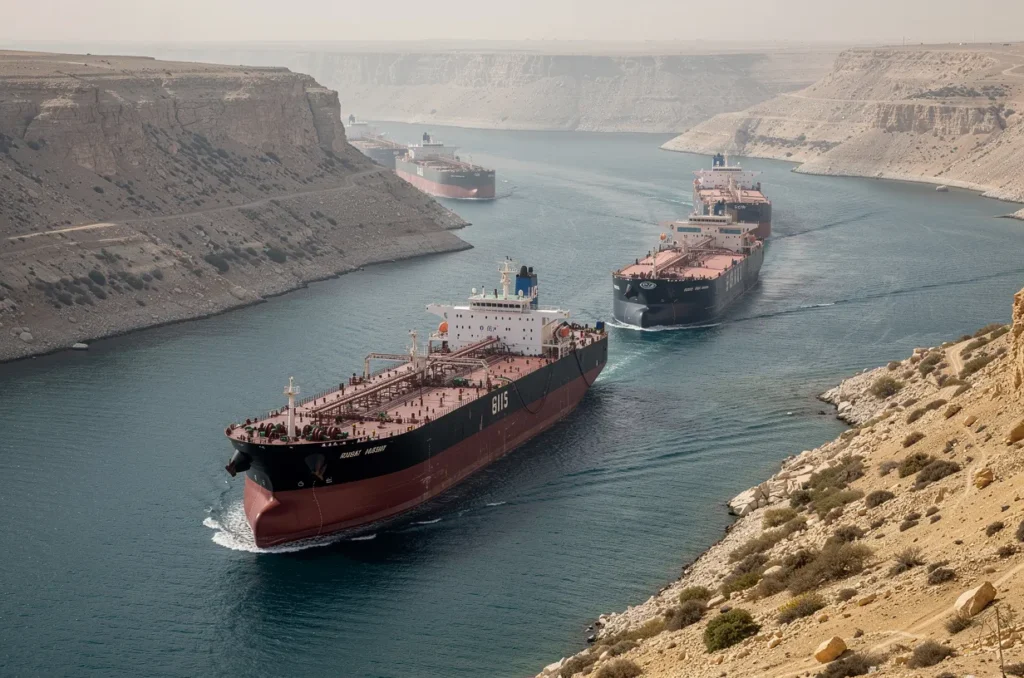
That keeps the oil market in a high-pressure setup because Hormuz is the transit route for roughly one-fifth of global oil shipments. Since the U.S.-Israel war on Iran began in late February, the blockage has become the single biggest factor behind the latest price surge in crude and refined products.
The Physical Market Is Tightening Fast
The market is no longer trading only on fear. It is increasingly reacting to what is happening in the real barrel market.
The International Energy Agency has described the disruption as the biggest supply shock ever, and the pricing structure is starting to reflect that strain.
Key signals include:
- WTI’s prompt spread traded just below $14 a barrel
- Dated Brent surged above $140
- the front-month Brent and WTI spreads both moved above $10
Those kinds of spreads typically signal severe near-term tightness. In normal conditions, those differentials are usually only a few cents apart. Now they are showing a market scrambling for immediate supply.
Hormuz Traffic Added A Layer Of Confusion
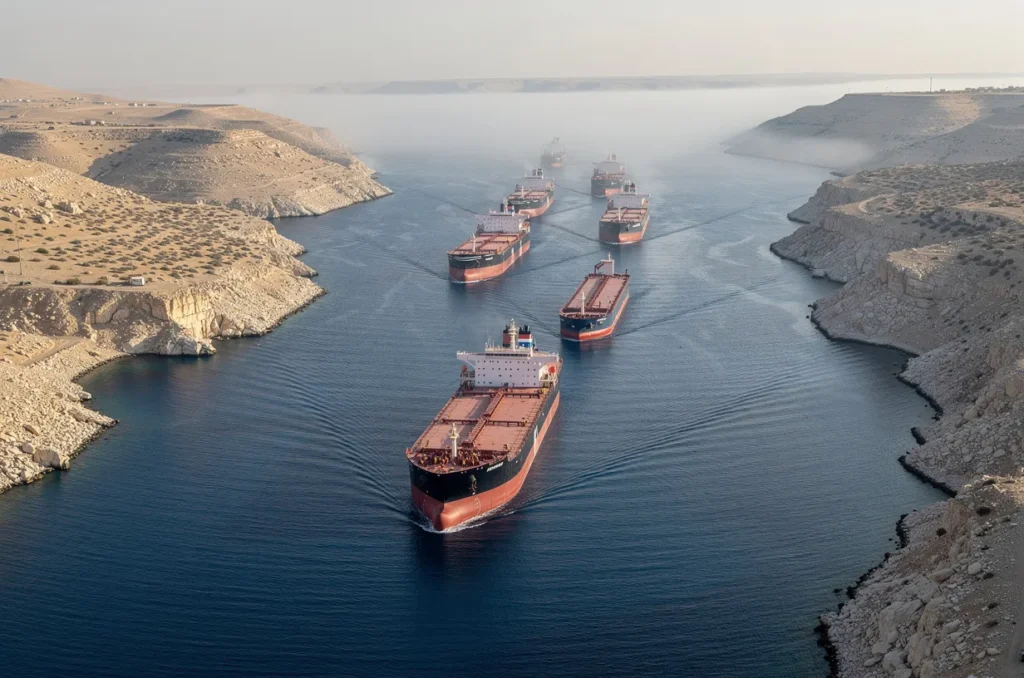
There were also mixed signals from the waterway itself. Traffic through the Strait of Hormuz climbed to its highest level since the early days of the war, which created some friction in oil’s move higher.
Iran said over the weekend that Iraq would be exempt from its restrictions in the strait, potentially allowing more cargoes to move. Iraq’s state oil marketer, SOMO, also said traders and refiners could load Iraqi crude because vessels carrying the country’s oil were now able to pass through the route.
That matters because the market is trying to price not only outright closure risk, but also whether selective exemptions or partial traffic flows can keep some barrels moving.
Saudi Pricing Showed How Severe The Disruption Has Become
Saudi Arabia added another strong signal. Saudi Aramco raised the price of its flagship Arab Light grade for May sales to Asia to a record premium of $19.50 over regional benchmarks.
That kind of move points to a market where physical supply is already being repriced, not just futures speculation. It also reinforces the idea that even if hostilities cool, damage to infrastructure and export flows could leave a lasting mark on supply.
OPEC+ warned after its weekend meeting that damage to energy assets could have a prolonged impact on output even after the fighting ends. The group still approved higher production quotas, but that mostly signaled intent, since actual flows from the Persian Gulf remain heavily constrained.
What Traders Are Watching Next
The next focus is straightforward:
- whether a 45-day ceasefire gains traction
- whether Trump’s Tuesday deadline triggers new military action
- whether more cargoes can move through Hormuz
- whether current price spikes begin feeding into broader inflation pressure
The longer the conflict drags on, the harder it becomes for oil to retrace quickly. At the same time, the market still believes any real reopening of the strait could trigger a sharp correction lower.
That tension is creating a volatile two-way trade: a market that is extremely tight in the short term, but also vulnerable to a fast drop if the geopolitical picture improves.
WSA Take
This oil move is no longer just a headline-driven geopolitical spike. The structure of the market is showing real stress, with prompt spreads, physical crude benchmarks, and official selling prices all pointing to immediate supply tightness.
For investors, Hormuz remains the core variable. If the waterway stays heavily restricted, triple-digit oil can remain in play longer than many expected. If a ceasefire or reopening gains traction, the pullback could be sharp. Until one of those paths becomes clearer, the market is likely to stay caught between real supply disruption and the possibility of a sudden policy-driven reversal.
Explore More Stories in Commodities
Disclaimer
WallStAccess is a financial media platform providing market commentary and analysis for informational and educational purposes only. This content does not constitute investment advice, a recommendation, or an offer to buy or sell any securities. Readers should conduct their own research or consult a licensed financial professional before making investment decisions.