Waymo Rolls Out Sixth-Generation Ojai Robotaxis
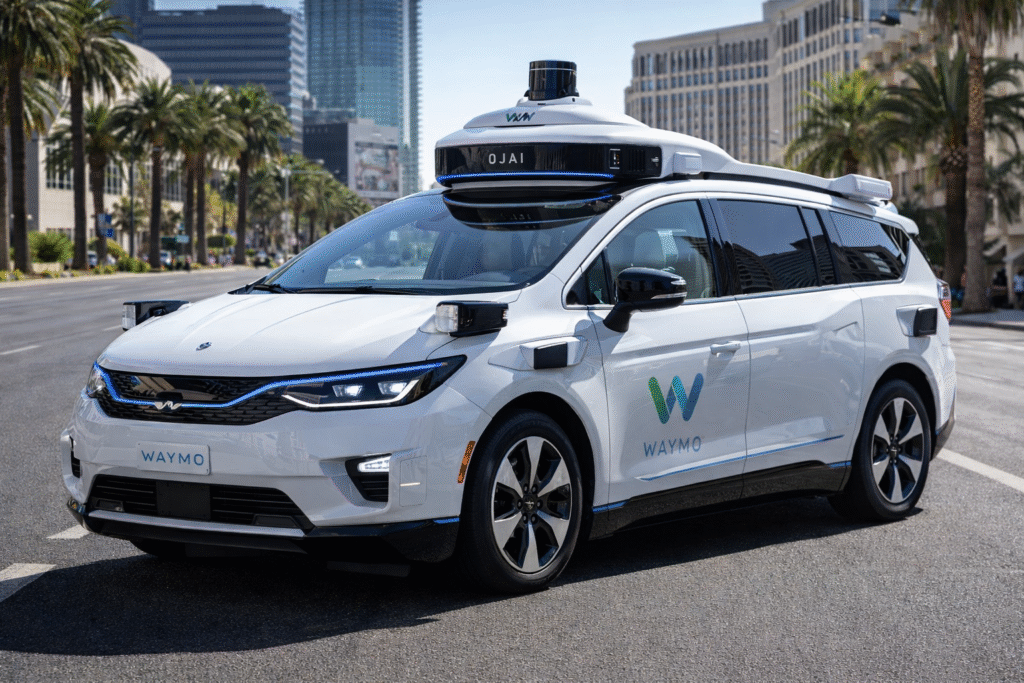
Waymo is officially deploying its sixth-generation autonomous driving system, launching its new Ojai robotaxis in San Francisco and Los Angeles.
The vehicles are currently offering fully driverless rides to employees and guests before a broader public rollout expected later this year.
The goal is clear:
Strengthen Waymo’s U.S. lead before competitors scale up.
The company, owned by Alphabet, says its next-generation “Waymo Driver” will power the next era of expansion.
What Makes Ojai Different?
The Ojai platform introduces several meaningful upgrades:
• More cost-effective hardware components
• Improved lidar and radar systems
• Better performance in rain and snow
• Reduced camera count with higher-resolution imaging
The sixth-generation lidar system reflects industry-wide cost declines over the past five years. Waymo also upgraded its imaging system to a 17-megapixel camera array, improving 360-degree perception while simplifying hardware complexity.
Critically, the system includes integrated cleaning mechanisms to maintain camera visibility in bad weather — addressing one of the biggest challenges in autonomous driving.
This matters as Waymo expands beyond sunbelt markets into cities with harsher climates.
Built for Scale and Mixed Fleets
The Ojai robotaxi uses a base vehicle supplied by Zeekr, a subsidiary of Geely, with Waymo installing its autonomous systems domestically.
Waymo emphasized:
- No autonomous software or rider data is shared with vehicle suppliers
- Core self-driving technology remains proprietary
- Vehicles are assembled and equipped in the U.S.
The sixth-generation system will also integrate into the Hyundai Ioniq 5 platform, while existing Jaguar I-PACE vehicles will continue operating with fifth-generation systems.
Waymo has historically operated mixed fleets during system transitions.
Competitive Landscape: The Global Robotaxi Race
Waymo currently operates fully autonomous services in:
- Austin
- San Francisco Bay Area
- Phoenix
- Atlanta
- Los Angeles
- Miami
Expansion is planned across multiple U.S. cities in 2026, including Dallas, Denver, Detroit, Houston, Las Vegas, Nashville, Orlando, San Antonio, San Diego, and Washington.
Internationally, London is expected to be its first overseas commercial market.
But competition is intensifying.
U.S. challengers include:
- Tesla
- Zoox
Meanwhile, Chinese firms such as Apollo Go and WeRide are expanding aggressively abroad.
Goldman Sachs estimates the global autonomous ride-hailing market could exceed $25 billion by 2030.
Financial Backdrop
Waymo remains a capital-intensive bet.
Alphabet’s “Other Bets” division, which includes Waymo, posted:
- $7.51 billion in losses in 2025
- Up from $4.44 billion in 2024
However, Waymo recently raised a $16 billion funding round, valuing the company at $126 billion — signaling continued investor confidence.
The path to profitability remains long, but scale and technology leadership remain strategic priorities.
Why Weather Capability Matters
Until now, most robotaxi deployments have thrived in:
- Warm
- Dry
- Predictable climates
But large U.S. metro markets — especially in the Northeast and Midwest — require systems that can handle:
• Snow
• Ice
• Rain
• Reduced visibility
Waymo’s upgraded sensing stack and adaptive software aim to close that gap.
If successful, it dramatically increases addressable market potential.
WSA Take
Waymo isn’t just upgrading hardware — it’s reinforcing its moat.
By lowering costs and improving weather reliability, the company is positioning itself for broader geographic expansion before Tesla or Amazon-backed Zoox achieve comparable scale.
The autonomous vehicle race isn’t about who demos first.
It’s about who scales safely and profitably.
With sixth-generation deployment underway, Waymo is signaling it intends to stay in front.
Disclaimer
WallStAccess is a financial media platform providing market commentary and analysis for informational and educational purposes only. This content does not constitute investment advice, a recommendation, or an offer to buy or sell any securities. Readers should conduct their own research or consult a licensed financial professional before making investment decisions.