What Happened in West African Crude
West African crude trading for April-loading cargoes has slowed, even as the global oil market faces acute supply stress tied to the Iran war and disrupted tanker traffic through the Strait of Hormuz. Traders describe a market where barrels exist on paper, but deals are harder to close because sellers don’t feel pressured to move cargoes quickly.
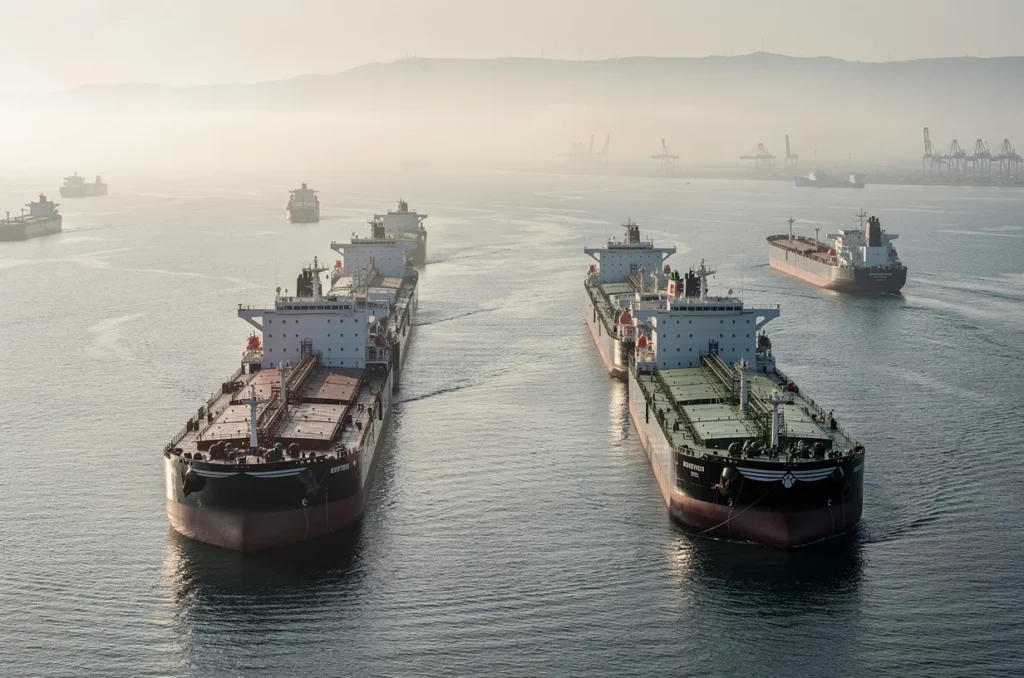
Roughly 20 West African crude cargoes on the April loading schedule are still available to buy, according to traders. That’s notable because the market is also looking ahead: May loading schedules have already emerged, and in many months an “overhang” of unsold cargoes around this point would suggest soft demand. This time, traders say the dynamic is different.
- About 20 April-loading cargoes are said to be available.
- Owners of up to 15 cargoes can refine them internally if bids are not compelling.
- Sellers appear willing to wait for a price that justifies releasing barrels.
Why Sellers Are Holding Cargoes
Traders say the supply shock from the conflict has tightened global availability and lifted prices, but it has also changed seller behavior. Instead of rushing to place barrels into the spot market, some holders are reserving crude for their own refining systems unless unusually strong bids arrive.
That stance is being reinforced by uncertainty around how tight the market could become if disruptions persist. In that context, selling too early could mean missing higher pricing later, particularly if replacement barrels remain difficult to source.
- Disrupted flows through the Strait of Hormuz are constraining global movement of crude.
- Middle East producers including Saudi Arabia, Kuwait, and Iraq have cut output, traders say.
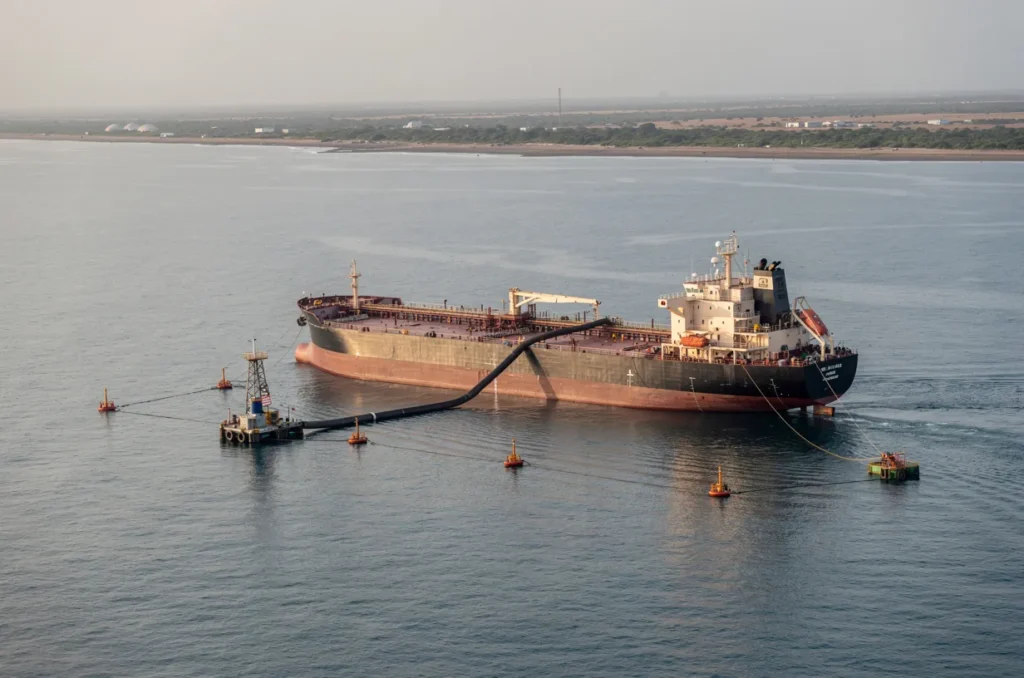
- Some West African barrels can be diverted into captive refining rather than sold spot.
Prices Are High, But Freight Is a Headwind
Spot values for West African grades have surged as refiners seek alternatives to disrupted Middle East supply. One example: Nigerian Bonny Light was valued at a $7.50-per-barrel premium to dated Brent this week, a level described as the highest since 2022.
Even with stronger pricing, trading has not accelerated. A key reason is logistics: freight costs have risen sharply, which can erode the economics for long-haul buyers. Asia is a major destination for West African crude, but higher shipping costs can push refiners to favor cheaper crude options that still meet their needs.
- West African crude is often resold multiple times after initial allocation to a trading firm or oil company.
- Rising freight rates are discouraging incremental deals into Asia.
- Traders say China remains a buyer but is leaning toward cheaper barrels.
- China and India were West Africa’s top export markets in 2025, accounting for nearly 40% of exports.
What Investors Will Watch Next
The near-term tell will be whether sellers release April cargoes as bids rise, or whether the market stays constrained with barrels effectively withheld. Investors will also be watching freight rates and whether Asian buying patterns shift as price spreads versus Brent remain elevated.
WSA Take
This is a tight-market signal: West African barrels exist, but sellers are acting like they don’t need to sell. When producers and traders can keep crude for internal refining, spot liquidity can dry up fast, even as headline availability looks adequate. The combination of elevated Bonny Light premiums and rising freight costs suggests the market is rationing supply through both price and logistics. For U.S. investors, that mix can keep energy-sensitive inflation inputs volatile while rewarding companies with flexible crude sourcing and strong refining optionality.
Explore More Stories in Commodities
Back to WallStAccess Homepage
Disclaimer
WallStAccess is a financial media platform providing market commentary and analysis for informational and educational purposes only. This content does not constitute investment advice, a recommendation, or an offer to buy or sell any securities. Readers should conduct their own research or consult a licensed financial professional before making investment decisions.