AI Hype Fades as Markets Slide Into the Red
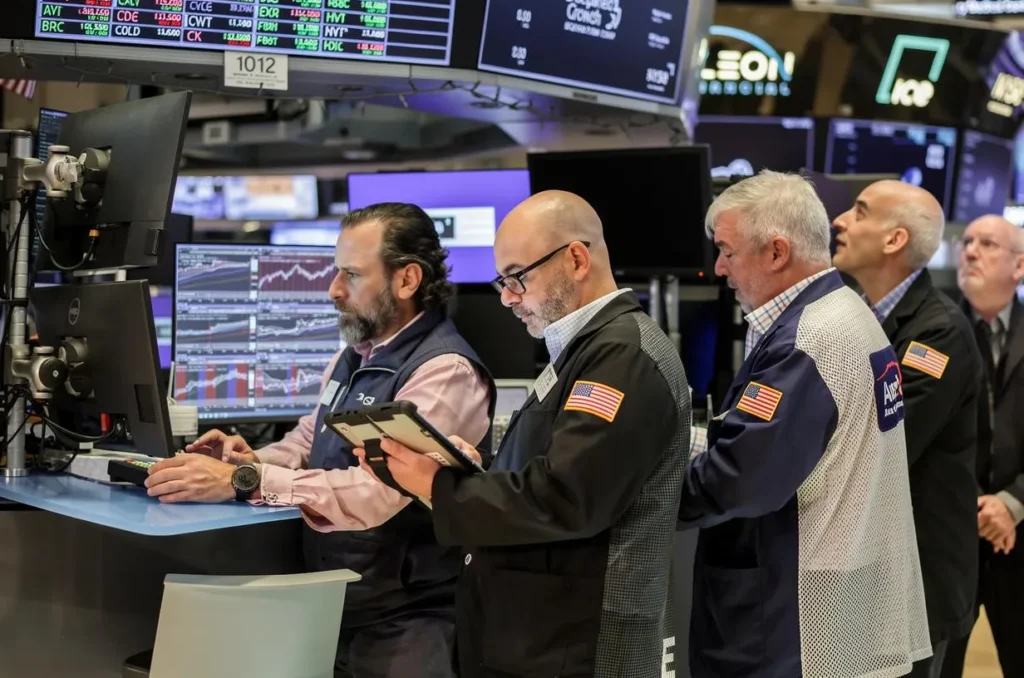
U.S. markets extended their slide Friday, ending a volatile week dominated by tech losses and growing doubts about whether the AI investment boom can justify soaring valuations.
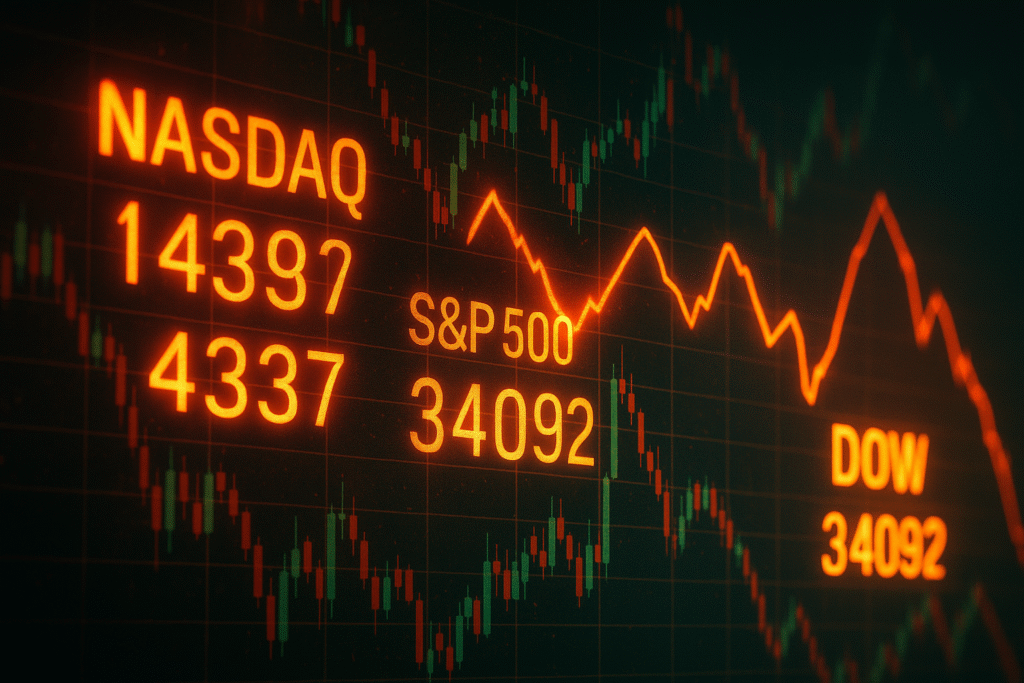
The Nasdaq Composite fell 1.8%, leading declines across major indexes. The S&P 500 lost 1%, and the Dow Jones Industrial Average dropped 0.6%, putting all three benchmarks on track for a bruising weekly finish.
After a steep midweek sell-off, traders are reassessing high-flying names like Nvidia (NVDA) and other “Magnificent Seven” giants, which have fueled most of this year’s gains. The Nasdaq is now staring down its worst week since April, as investors rotate away from overvalued tech toward defensive sectors.
Concerns of an AI bubble continue to hang over Wall Street, with analysts warning that sentiment may not stabilize until earnings confirm real returns from massive infrastructure and chip investments.
Consumers and Labor Market Flash Warning Signs
Adding to the unease, new data from the University of Michigan showed consumer sentiment plunged 6% month-over-month to 50.3, the lowest reading since 2022. Respondents reported deteriorating views of their personal finances and business expectations for the year ahead.
Meanwhile, October job cuts reached their highest level in over two decades, signaling that 2025 could end as the worst year for layoffs since 2009. The wave of cuts, especially across tech and logistics, has cast doubt on the resilience of the broader economy.
With the government shutdown delaying official labor data for a second straight month, private reports are carrying outsized influence. Investors have been forced to rely on third-party figures to gauge economic momentum in real time — heightening volatility in recent sessions.
Tesla’s $1 Trillion Pay Plan and Market Distraction
In another flashpoint for the week, Tesla (TSLA) shareholders approved a $1 trillion compensation package for CEO Elon Musk, tied to ambitious growth and product milestones. The move comes as Musk faces mounting pressure to deliver on long-promised breakthroughs, including robotaxis and the Optimus humanoid robot, both central to Tesla’s AI strategy.
Despite the headline-grabbing vote, Tesla shares fell 4%, adding to the week’s broader weakness in tech.
Macro Catalysts Loom Ahead
Looking ahead, investors are eyeing several potential catalysts to steady sentiment — including an end to the government shutdown, a possible December rate cut, and Nvidia’s upcoming earnings. Each could help restore confidence in risk assets, though uncertainty around tariff policy reviews by the Supreme Court continues to cloud the outlook.
The combination of policy ambiguity, softening data, and elevated valuations has left markets in a precarious position — with investors increasingly cautious about chasing rallies into year-end.
WSA Take
Markets are signaling exhaustion after months of AI-fueled euphoria. With consumer sentiment weakening, layoffs accelerating, and tech leadership wobbling, investors are finally being forced to confront the question: has the next leg of the AI trade already been priced in?
Short-term volatility is likely to persist until hard data — not hype — validates the optimism. For now, the smartest move may be patience.
Read our recent coverage on gold’s record-breaking run and peak-price warnings.
Explore more market updates on the Wall Street Access homepage.
Disclaimer:
Wall Street Reality does not work with or receive compensation from any public companies mentioned. Content is for informational and educational purposes only.