Tariff “Dividend” Proposal and Market Reactions
A proposed $2,000 tariff “dividend” has reignited debate over the real costs of trade policy. The plan, described by Treasury Secretary Scott Bessent as part of broader tax relief measures, is being positioned as a direct benefit from rising tariff revenues.
While the administration highlights it as a way to redistribute economic gains to households, analysts note that import costs are climbing, meaning consumers could feel higher prices before they ever see a check. The idea comes as officials seek to reframe tariffs as a growth catalyst rather than a drag on purchasing power.
The measure has drawn mixed reactions from markets. Some see it as a short-term stimulant for consumer spending, while others warn it could add fuel to inflation at a time when central banks are already walking a fine line between rate cuts and price stability.
Supreme Court Review of Trade Powers
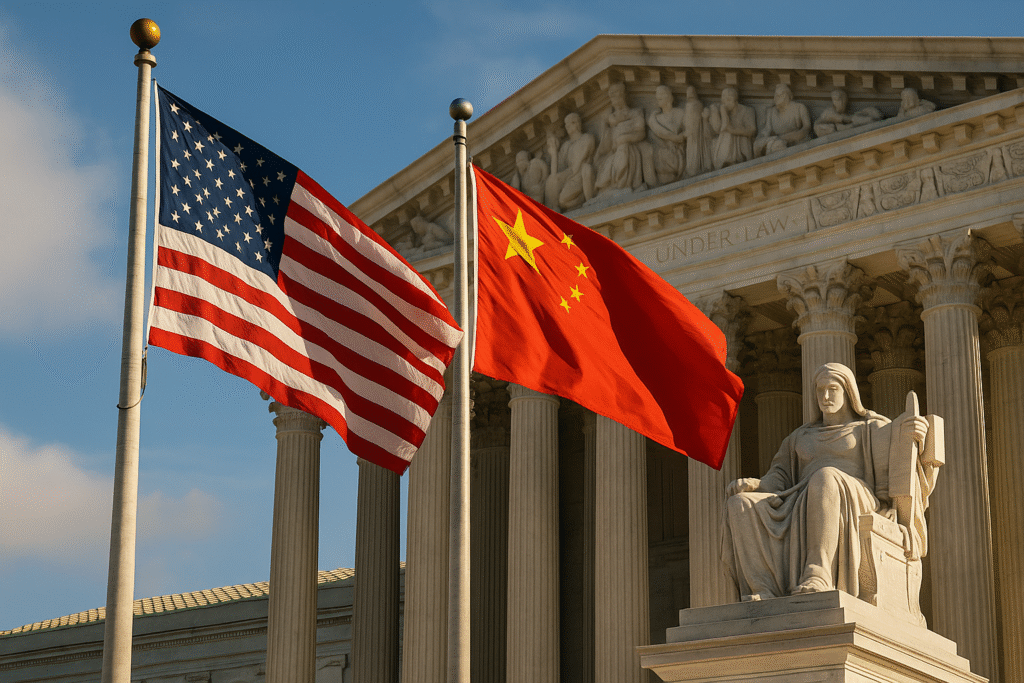
The Supreme Court has become the central stage for what could be the most consequential trade case in decades. Justices from both sides of the ideological spectrum questioned whether the president overstepped by imposing sweeping duties without congressional authorization.
If the Court limits executive power, it could redefine future trade enforcement, forcing policymakers to seek legislative approval for major tariff actions. Analysts say such a decision could ripple across global markets, particularly as the U.S. continues to wield tariffs as both an economic and geopolitical tool.
For now, investors are bracing for volatility as they await a verdict that could reshape not only trade policy but also the mechanics of fiscal stimulus tied to tariffs.
U.S.–China Trade Truce Offers Temporary Relief
Amid the legal uncertainty, the U.S. and China reached a tentative trade truce aimed at stabilizing key sectors. Beijing agreed to suspend export controls on rare earth metals and end probes into U.S. chip companies. Washington responded by pausing certain “reciprocal tariffs” for another year, offering a brief respite to importers and manufacturers.
China also announced a new rare earth licensing regime designed to expedite shipments, signaling an attempt to rebuild trust with U.S. partners. Still, tensions remain high after Washington reaffirmed restrictions blocking Nvidia’s latest AI chips from being sold in China — a decision that continues to weigh on tech sentiment.
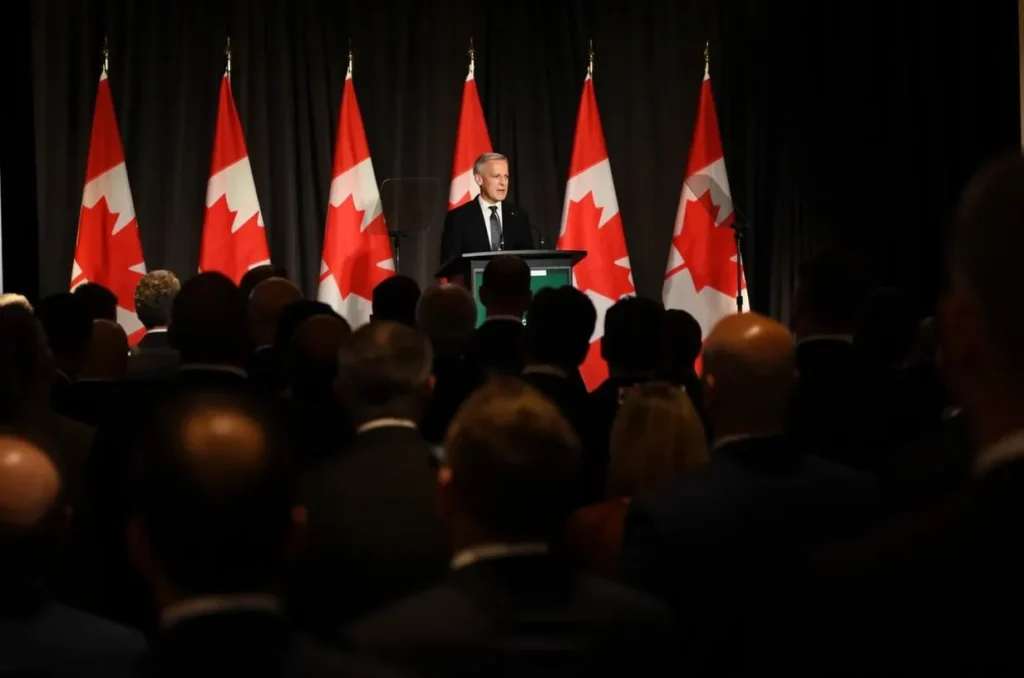
Meanwhile, smaller diplomatic tensions with Canada over a campaign ad featuring Ronald Reagan were defused after an apology from the Canadian prime minister.
WSA Take
The tariff dividend proposal reflects a bold attempt to turn trade policy into a populist economic tool — but it’s colliding with the hard realities of law, markets, and global supply chains. The Supreme Court’s upcoming ruling could define how much freedom future administrations have to wield tariffs unilaterally.
For investors, this is a pivotal moment: if the Court reins in presidential authority, it could trigger a reshuffling of global trade expectations and dampen market optimism tied to tariff revenue. But if upheld, it may embolden further interventionist policies — with both risk and reward attached.
Read our recent coverage on AI-driven market volatility and the Nasdaq’s sell-off for more insights.
Explore more updates on the Wall Street Access homepage.
Disclaimer:
Wall Street Access does not work with or receive compensation from any public companies mentioned. Content is for informational and educational purposes only.