Musk Pushes Back on Nvidia’s CES Reveal
Confidence in Tesla’s FSD lead
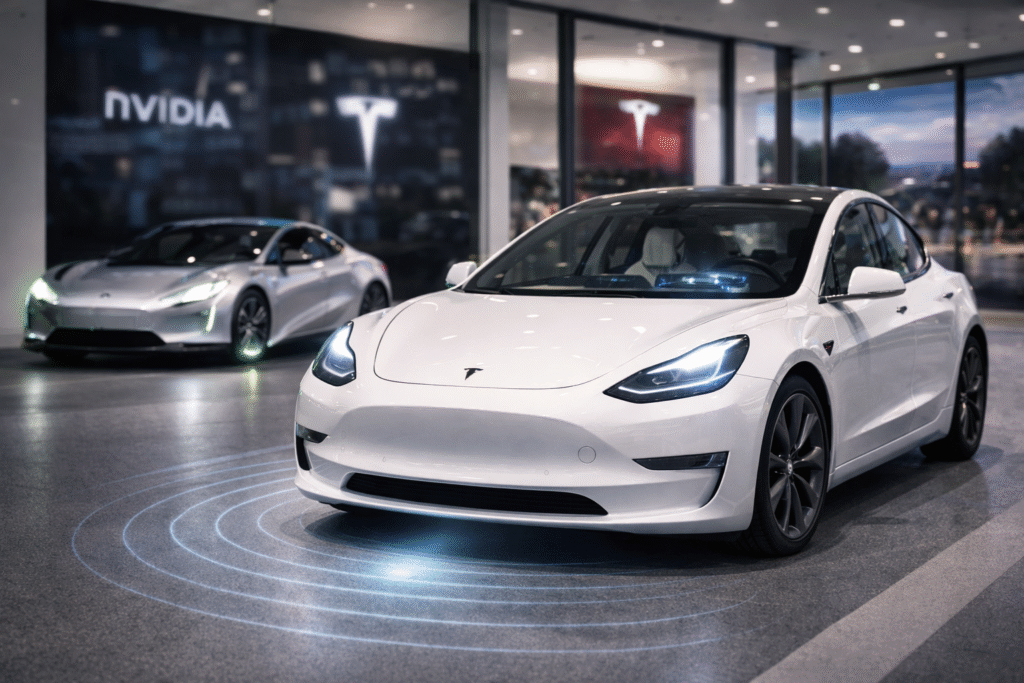
Elon Musk said Tuesday that it would take five to six years — or longer — before Nvidia’s latest autonomous driving technology poses serious competition to Tesla’s Full Self-Driving (FSD) system.
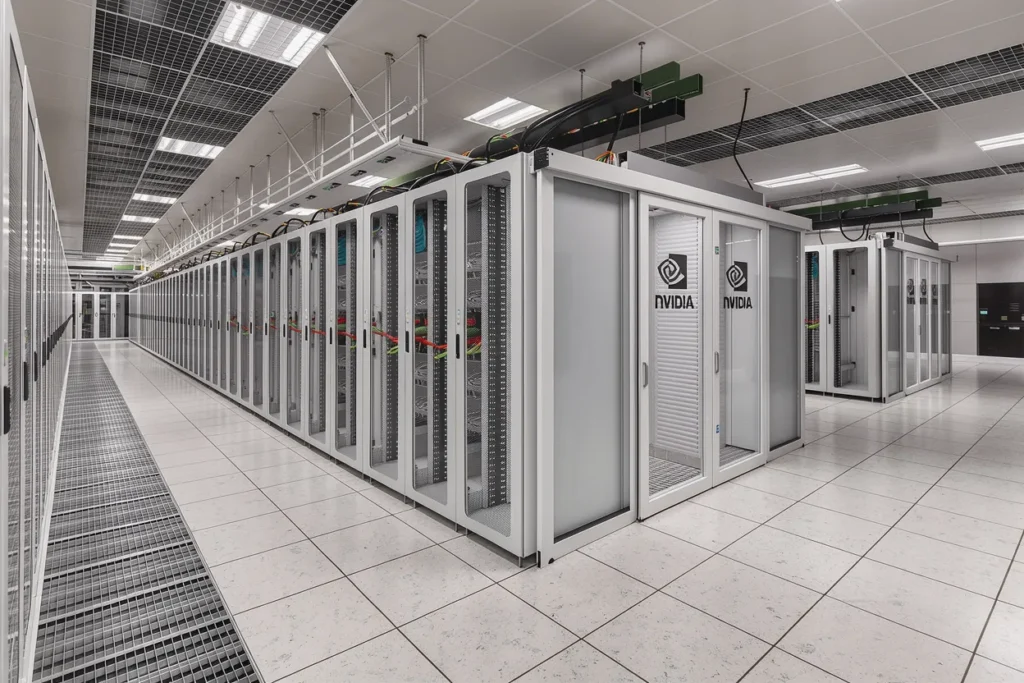
The comments came after Nvidia unveiled Alpamayo, a new family of open artificial intelligence models designed for autonomous vehicle development, during the CES conference in Las Vegas.
Responding to a post on X comparing Alpamayo to Tesla’s FSD, Musk dismissed the idea that Nvidia is close to matching Tesla’s real-world deployment.
“So this is maybe a competitive pressure on Tesla in 5 or 6 years, but probably longer,” Musk wrote.
Why Musk Thinks the Gap Remains Wide
The “long tail” problem
Musk argued that while Nvidia may find it relatively easy to reach high baseline performance, solving rare and complex driving scenarios is far more difficult.
In a separate post, he said Nvidia would find it “easy to get to 99% and then super hard to solve the long tail of the distribution,” referring to edge cases that autonomous systems struggle to handle safely.
He also pointed out that traditional automakers are still years away from integrating cameras, sensors, and AI computing systems at the scale Tesla already operates.
What Nvidia Announced
Alpamayo enters the AV race
At CES, Nvidia CEO Jensen Huang introduced Alpamayo as a vision-language-action model designed to apply “humanlike thinking” to autonomous driving decisions, particularly in rare or novel situations.
Nvidia positioned the platform as a foundation for automakers and developers building next-generation self-driving systems, rather than a turnkey alternative to Tesla’s vertically integrated approach.
FSD Remains Central to Tesla’s Strategy
Robotaxis and beyond
Full Self-Driving remains a cornerstone of Tesla’s long-term growth narrative, underpinning its ambitions in robotaxis, robotics, and AI-driven mobility.
Tesla launched a limited robotaxi service in Austin, Texas last summer and operates a ride-hailing service in San Francisco, though a safety driver remains behind the wheel.
Despite more than a decade of ambitious promises around autonomy, Musk said last August that Tesla is now training a new version of its FSD model, signaling another major iteration in the system’s development.
WSA Take
Musk’s dismissal of Nvidia isn’t just bravado — it reflects Tesla’s belief that real-world data, vertical integration, and long-tail problem solving matter more than raw AI models. Nvidia may power much of the AI stack across industries, but autonomy isn’t won in labs or demos. Until competitors prove they can deploy at scale in messy, real-world conditions, Tesla will continue to frame FSD as a years-ahead advantage rather than an imminent battleground.
Read our recent coverage on Meta Delaying Global Rollout of Ray-Ban Display Glasses.
Explore more market insights on the WallStreetAccess homepage.
Disclaimer
WallStAccess does not work with or receive compensation from any companies mentioned. This content is for informational and educational purposes only and should not be considered financial advice. Always conduct independent research before investing.