Trade tensions flare across the Atlantic
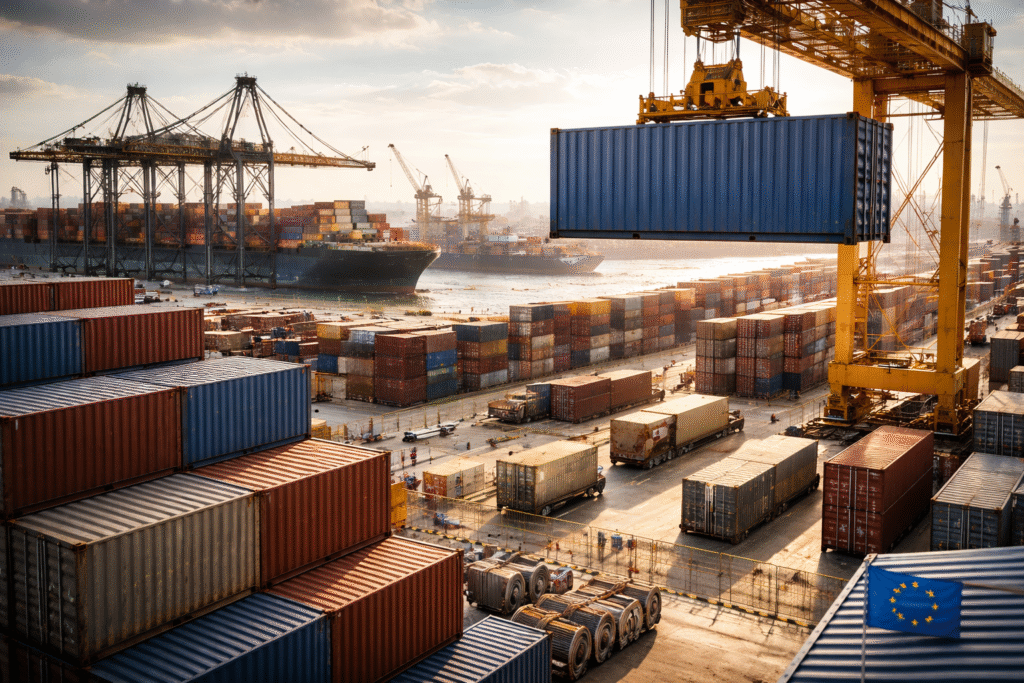
European capitals are preparing potential countermeasures after the United States signaled plans to impose sweeping new tariffs on European exports, a move tied to ongoing pressure over Greenland’s future status.
EU officials confirmed discussions are underway on retaliatory tariffs covering as much as $108 billion worth of American goods, marking one of the most serious trade confrontations between the two sides in years.
The proposed U.S. measures would introduce 10% tariffs on all goods shipped from eight European countries starting Feb. 1, with rates escalating to 25% by June 1 if no agreement is reached.
Countries named include:
- Denmark
- Norway
- Sweden
- France
- Germany
- The United Kingdom
- The Netherlands
- Finland
These nations already face existing U.S. tariffs ranging from 10% to 15%.
Europe pushes back on tariff pressure
European leaders moved quickly to reject the linkage between trade policy and Greenland, an autonomous territory within Denmark.
In a joint statement, the affected countries warned that:
- Tariff threats undermine transatlantic relations
- Escalation risks a self-reinforcing trade spiral
- Sovereignty issues will not be settled through economic coercion
Denmark’s prime minister said Europe would not be pressured into concessions, a stance echoed by senior officials in Germany and Sweden.
Public opposition has also surfaced. Protests took place in Denmark and Greenland, with demonstrators calling for the island’s right to determine its own future without external pressure.
Washington frames Greenland as a security issue
U.S. officials have described Greenland as strategically critical, citing:
- Arctic security considerations
- Increased activity from Russia and China in the region
- Long-term geopolitical positioning
The Treasury secretary indicated over the weekend that the administration views the dispute as a matter of strength versus weakness in negotiations, suggesting little appetite for compromise in the near term.
Legal uncertainty adds another layer of risk
The trade standoff is unfolding alongside unresolved legal challenges in the U.S. Supreme Court over the authority used to impose global tariffs.
- Justices have raised skepticism about the legal framework underpinning broad trade duties
- A ruling against the administration could sharply limit tariff powers
- No decision has yet been issued
The uncertainty complicates negotiations and adds volatility for companies exposed to cross-border trade.
Global trade ripple effects
Elsewhere, tariff diplomacy continues to reshape global flows:
- Canada and China reached a deal to lower tariffs on electric vehicles and agricultural goods
- The EU is also weighing non-tariff countermeasures, though officials say diplomacy remains the preferred path
WSA Take
This dispute is no longer just about trade balances — it’s about leverage, sovereignty, and geopolitical signaling. By tying tariffs to strategic territory, Washington has forced Europe to respond not just economically, but politically. Whether this ends in negotiation or escalation will matter far beyond tariffs, setting the tone for transatlantic relations, global supply chains, and market stability in 2026.
Read our recent coverage on TSMC Delivering Record Quarter.
Explore more market insights on the WallStreetAccess homepage.
Disclaimer
WallStAccess does not work with or receive compensation from any companies mentioned. This content is for informational and educational purposes only and should not be considered financial advice. Always conduct independent research before investing.