AI Data Centers Are Pulling Intel Back Into the Game
CPU demand quietly tightens
Intel is benefiting from the same AI buildout driving massive capital spending across Big Tech — even without being the dominant GPU supplier.
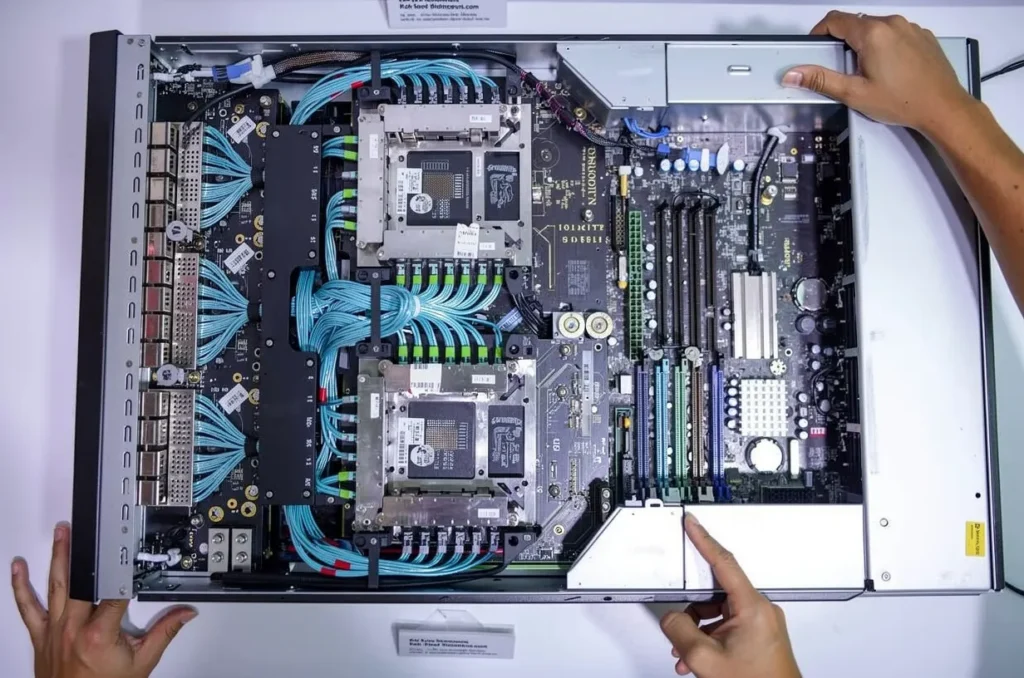
According to KeyBanc analyst John Vinh, rising demand for AI servers is lifting sales of central processing units, which are used alongside GPUs to train and operate large-scale AI models. Supply chain checks indicate Intel’s data center server CPUs are close to fully allocated, signaling stronger-than-expected demand from cloud and hyperscale customers.
This dynamic highlights an often-overlooked reality of AI infrastructure:
- GPUs get the headlines
- CPUs still anchor the system architecture
That combination is turning AI into a meaningful tailwind for Intel, even as competitors dominate accelerators.\
Manufacturing Progress Is the Bigger Signal
Intel Foundry Services shows signs of traction
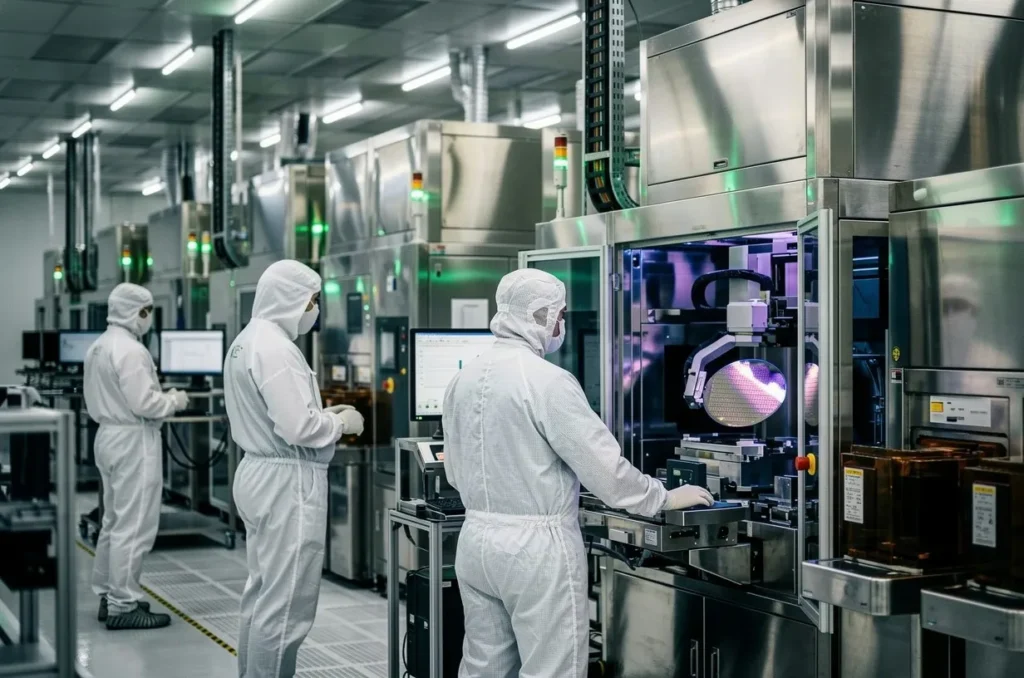
Beyond near-term demand, the upgrade hinges on progress inside Intel Foundry Services (IFS) — long viewed as the company’s most challenging turnaround.
Intel’s struggle over the past several years has been circular:
- Manufacturing issues weakened chip competitiveness
- Weaker chip sales left factories underutilized
- Underutilization made manufacturing recovery harder
That cycle may finally be breaking.
Vinh cited significant improvements in yields on Intel’s advanced 18A process, marking a key step toward restoring credibility. While early tests by customers like Nvidia and Broadcom did not immediately result in large contracts, more recent execution — including successful PC chip launches — has improved confidence in Intel’s roadmap.
Apple Could Be the First “Whale” Foundry Win
A potential turning point for Intel
One of the most notable takeaways from KeyBanc’s analysis is the suggestion that Apple may be preparing to use Intel’s upcoming 18A-P manufacturing process to produce lower-end chips for Macs and iPads.
If confirmed, this would represent:
- Intel’s first major external foundry design win
- A validation of its advanced-node competitiveness
- A critical proof point for IFS’s long-term strategy
The analyst also noted discussions around Apple potentially using Intel’s 14A process later in the decade for additional products — an indication that the relationship could deepen if early execution goes smoothly.
Intel and Apple have not publicly confirmed any agreement.
Positioning as a Viable Foundry Alternative
Closing the gap behind TSMC
Intel’s improving yields on 18A have reached a level that analysts believe could position the company as the second-largest advanced foundry globally, ahead of Samsung, and behind only TSMC.
That matters because the foundry market is structurally constrained:
- Only three companies operate at leading-edge scale
- Customers want geographic diversification
- Governments are supporting domestic manufacturing
Even partial success would significantly expand Intel’s strategic value.
Advanced Packaging: A Backdoor Into AI
Not fabrication — but still monetization
Another emerging opportunity lies in advanced chip packaging, where Intel assembles and integrates chips after fabrication.
While this wouldn’t involve manufacturing custom AI accelerators directly, providing packaging services to cloud providers could:
- Generate incremental revenue
- Deepen customer relationships
- Establish Intel’s role in AI infrastructure without competing head-on with GPUs
As AI systems grow more complex, packaging is becoming just as critical as fabrication — and Intel is positioning itself accordingly.
WSA Take
Intel’s upgrade isn’t about a single quarter — it’s about credibility returning to the roadmap. AI data centers are tightening CPU supply, manufacturing execution is improving, and the foundry strategy is finally producing tangible signals. If Intel can convert technical progress into durable customer wins, the market may be forced to reassess its role in the AI era — not as a leader, but as a necessary pillar of the ecosystem.
Read our recent coverage on Spotify’s Major Profit Windfall.
Explore more market insights on the WallStreetAccess homepage.
Disclaimer
WallStAccess does not work with or receive compensation from any companies mentioned. This content is for informational and educational purposes only and should not be considered financial advice. Always conduct independent research before investing.