
Stocks Rebound as Geopolitical Tensions Cool
U.S. stocks rebounded sharply after the president said the United States would not use military force in relation to Greenland, easing fears that had rattled markets and triggered a flight out of dollar-based assets.
- The Dow Jones Industrial Average rose roughly 0.7%
- The S&P 500 gained about 0.8%
- The Nasdaq Composite advanced nearly 0.7%
The rebound followed one of the worst sessions of the year, when escalating tariff threats and uncertainty around geopolitical escalation dragged major indexes into negative territory for 2026.
What Changed Investor Sentiment
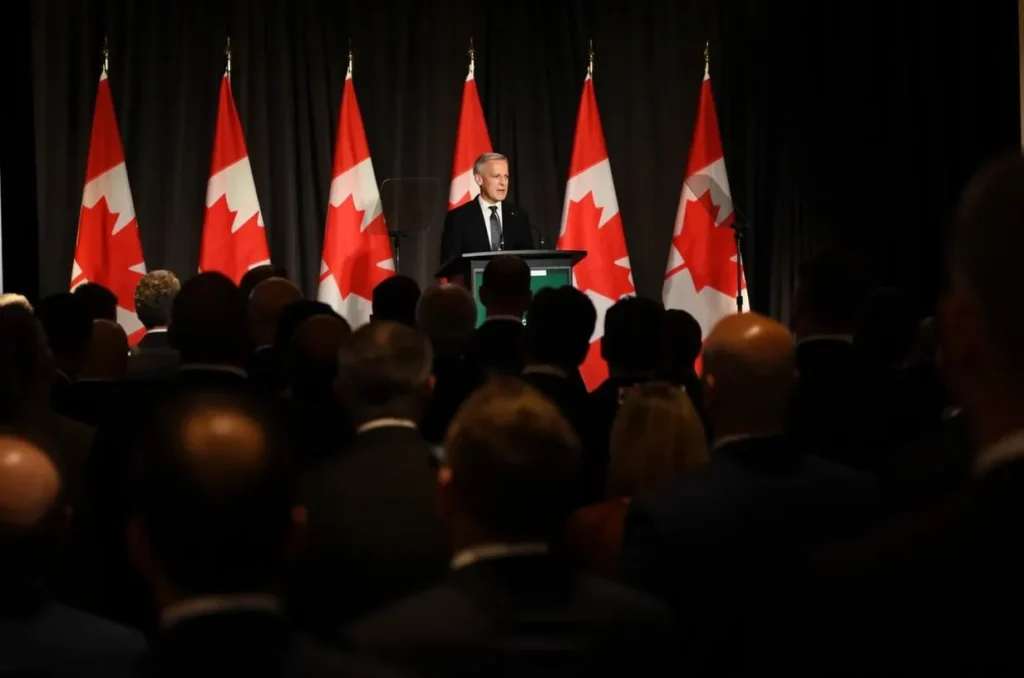
Speaking at the World Economic Forum in Davos, the president sought to reassure markets by explicitly ruling out the use of force.
Key takeaways that steadied markets:
- A clear rejection of military escalation
- Signals that negotiations — not force — remain the preferred path
- Reduced tail-risk around NATO-related conflict
Markets reacted quickly. Treasury prices rose, yields moved lower, and the U.S. dollar pared earlier losses — all signs of easing stress.
Rates, Dollar, and the ‘Sell America’ Trade
Tuesday’s sell-off was marked by a sharp rise in Treasury yields and a weakening dollar, reviving concerns around a broader “Sell America” narrative.
Strategists noted that:
- Sovereign and institutional investors have quietly increased diversification away from U.S. assets
- Policy uncertainty has become a recurring volatility driver
- Confidence remains fragile even when headline risk fades
While the administration downplayed concerns about capital flight, global investors remain highly sensitive to policy signals.
Banks and Policy Signals
Financial stocks also moved higher after comments pointing toward renewed discussion of a proposed credit card interest rate cap. While legislative support remains uncertain, the remarks lifted sentiment across parts of the banking sector.
At the same time, European officials reiterated opposition to tariff threats, signaling potential countermeasures if trade tensions escalate again — a reminder that the broader dispute remains unresolved.
Gold Holds Firm Despite Equity Rebound
Even as equities recovered, gold continued to trade near record highs, underscoring persistent demand for safety.
Analysts point to:
- Ongoing geopolitical uncertainty
- Falling real interest rates
- Central bank and investor diversification away from the dollar
The resilience in gold suggests markets are stabilizing — but not fully relaxed.
WSA Take
The relief rally shows how quickly markets respond when worst-case geopolitical scenarios are taken off the table. But the underlying drivers of volatility — trade policy, global alliances, and capital flows — haven’t disappeared.
This wasn’t a reset. It was a pause.
Until investors see durable clarity on trade and geopolitical strategy, expect sharp reversals, elevated hedging activity, and continued demand for real assets alongside risk-on trades.
Read our recent coverage on Meta’s $2B Manus Acquisition.
Explore more market insights on the WallStreetAccess homepage.
Disclaimer
WallStAccess does not work with or receive compensation from any companies mentioned. This content is for informational and educational purposes only and should not be considered financial advice. Always conduct independent research before investing.