Alibaba Prepares AI Chip Unit for Potential IPO
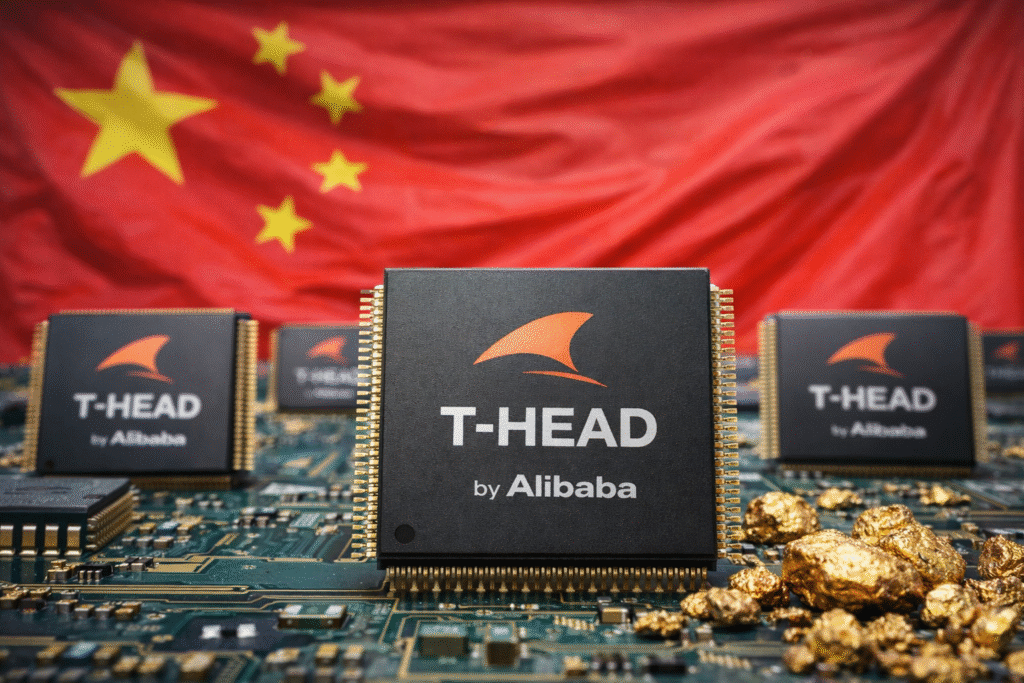
Alibaba Group Holding Ltd. is preparing to spin out and potentially list its AI chipmaking arm, T-Head, as investor interest surges in companies positioned to compete in the fast-growing AI accelerator market.
According to people familiar with the plans, Alibaba’s first step will be to restructure T-Head into a partially employee-owned entity, a move often used to prepare technology units for eventual public listings. An IPO is being explored, though timing and valuation remain undecided.
The news comes amid strong demand for AI semiconductor exposure, particularly among firms viewed as alternatives to U.S.-based suppliers.
Why the Market Is Paying Attention
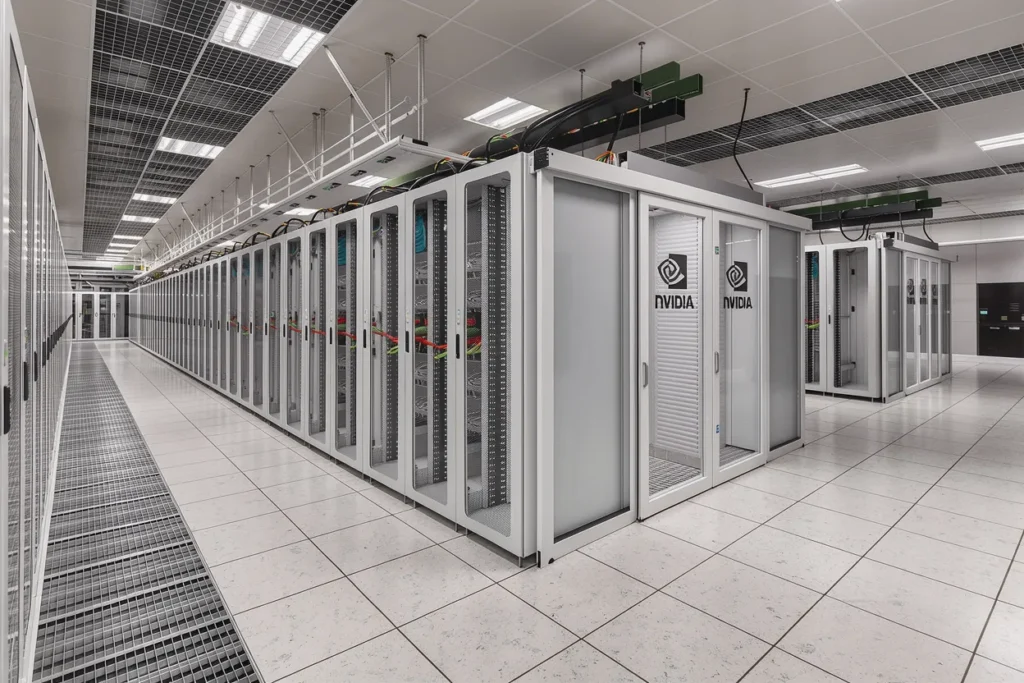
Global demand for AI accelerators remains intense, and investors are watching a small group of challengers aiming to compete with the industry’s dominant player, Nvidia Corp..
Recent dynamics driving interest include:
- Restrictions on advanced U.S. chips entering China
- Heavy state and corporate backing for domestic semiconductor development
- Surging demand from data centers and AI model builders
Comparable listings by domestic chipmakers have drawn strong interest, reinforcing expectations that Beijing will continue supporting the sector.
T-Head’s Role Inside Alibaba’s AI Strategy
Founded in 2018, T-Head develops chips for AI computing and storage, supporting Alibaba’s broader push into artificial intelligence across cloud, commerce, and consumer platforms.
Alibaba has positioned AI as a core growth pillar:
- More than $53 billion committed to AI and infrastructure spending
- Expansion of its consumer-facing AI assistant ecosystem
- Integration of AI across e-commerce, logistics, and cloud services
While T-Head’s shipments trail larger domestic rivals, sustained investment has turned it into a credible national contender.
Signs of Commercial Progress
T-Head has recently landed meaningful deployments, including a contract to supply AI accelerators to one of China’s largest telecom operators for a major data center project.
Notable signals of momentum include:
- Deployment of Pingtouge AI accelerators in large-scale facilities
- Growing hiring across AI, chip design, and advanced manufacturing
- Increased visibility alongside other domestic accelerator providers
These developments suggest T-Head is moving beyond internal use toward broader commercialization.
China’s Broader AI Chip Push
Alibaba is not alone. Major Chinese tech firms are racing to design proprietary silicon as replacements for restricted foreign chips.
Peers pursuing similar paths include:
- Cambricon Technologies Corp., one of the largest publicly traded AI chip firms in China
- Baidu Inc., which is also exploring a public listing of its chip unit
Despite these efforts, Nvidia’s accelerators remain the global gold standard for training cutting-edge AI models, and competition is still highly asymmetric.
Market Context
Alibaba’s renewed AI focus has helped its shares outperform many domestic peers, though it remains smaller by market value than China’s largest tech leader, Tencent Holdings Ltd..
A T-Head IPO would:
- Highlight Alibaba’s long-term AI ambitions
- Offer investors direct exposure to China’s AI hardware buildout
- Reinforce the strategic importance of domestic chip ecosystems
WSA Take
Alibaba’s exploration of a T-Head IPO is less about near-term monetization and more about strategic positioning. AI chips have become a geopolitical and economic priority, and separating T-Head gives Alibaba optionality — capital access, talent incentives, and market visibility.
For investors, this isn’t just a chip story. It’s a signal that AI infrastructure is becoming a standalone asset class, and China’s tech giants want a seat at the table — even in a world still dominated by Nvidia.
Read our recent coverage on Stocks Rebounding After U.S. Rules Out Force on Greenland.
Explore more market insights on the WallStreetAccess homepage.
Disclaimer
WallStAccess does not work with or receive compensation from any companies mentioned. This content is for informational and educational purposes only and should not be considered financial advice. Always conduct independent research before investing.