TikTok Locks In Its U.S. Future
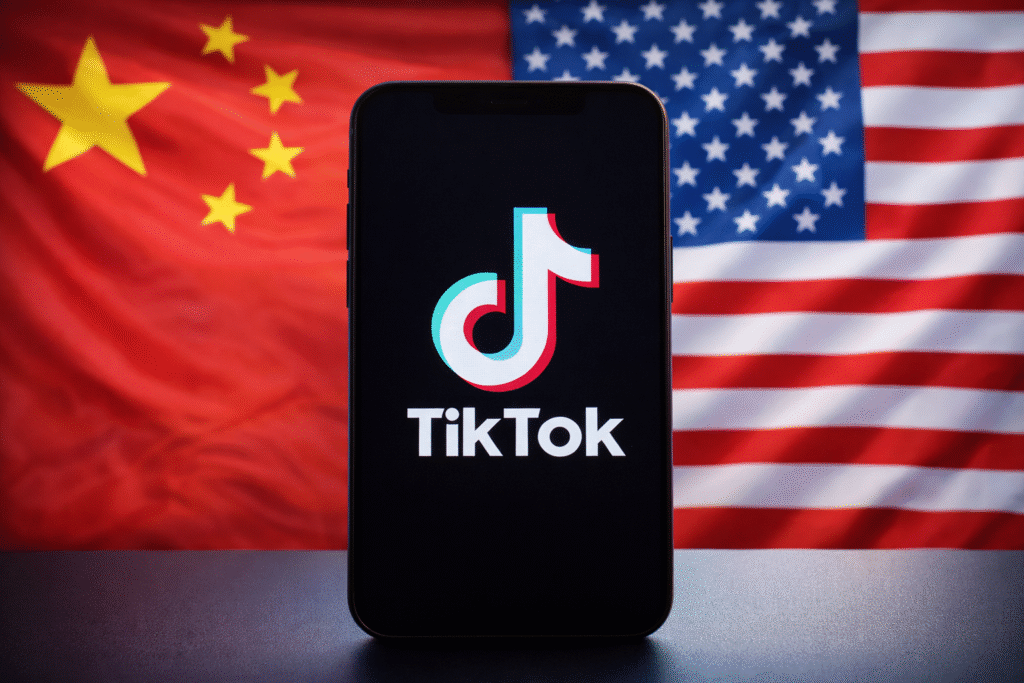
After years of political pressure, legal uncertainty, and repeated deadline extensions, TikTok and its parent company ByteDance have finalized a long-awaited agreement that allows the video platform to continue operating in the United States.
The arrangement transfers key aspects of TikTok’s U.S. business into a newly established American entity, backed by a group of U.S. and allied investors. The move resolves a regulatory standoff that has loomed over the app for nearly half a decade and eliminates the immediate risk of a nationwide ban.
Who Controls TikTok’s U.S. Business
The new U.S. entity will be managed by a consortium of investors, led by:
- Oracle
- Silver Lake
- MGX
Together, new U.S.-based investors will own 50% of the American TikTok operation. Existing ByteDance investors will hold 30.1%, while ByteDance itself will retain a 19.9% stake — a structure designed to comply with U.S. law governing foreign ownership.
TikTok CEO Shou Chew will remain responsible for the platform globally and will take a seat on the board. Day-to-day leadership of the U.S. business will be handled by Adam Presser, formerly TikTok’s head of operations, trust, and safety.
Why the Deal Matters
U.S. lawmakers had previously mandated a sale of TikTok’s American operations, citing concerns over data security and potential foreign influence. Failure to comply would have resulted in a nationwide ban — a move that would have disrupted:
- Millions of content creators
- Small businesses and advertisers
- Roughly 200 million U.S. users who rely on the app for entertainment, commerce, and news
TikTok has consistently denied allegations that user data was misused or that the platform was used to influence U.S. audiences on behalf of foreign interests.
Valuation Still an Open Question
While the exact valuation of TikTok’s U.S. business remains undisclosed, public officials have referenced figures near $14 billion, though previous estimates placed the unit’s value closer to $35–50 billion, reflecting its advertising, e-commerce, and live-streaming operations.
The agreement concludes a process that was originally expected to be completed in early 2025, but was delayed multiple times to allow negotiations to continue.
WSA Take
This deal closes one of the most consequential tech-policy battles of the past decade. TikTok avoids a catastrophic ban, U.S. investors gain meaningful oversight, and regulators secure a structure that limits foreign control without dismantling a major digital platform.
For markets, the takeaway is clear: geopolitical risk around TikTok has shifted from existential to manageable. The platform now operates under a framework that prioritizes continuity, compliance, and commercial stability — a win for creators, advertisers, and investors alike.
Read our recent coverage on Quiet Exits From U.S. Assets Fuels Emerging Markets and Gold.
Explore more market insights on the WallStreetAccess homepage.
Disclaimer
WallStAccess does not work with or receive compensation from any companies mentioned. This content is for informational and educational purposes only and should not be considered financial advice. Always conduct independent research before investing.