Microsoft Enters the Next Phase of Custom AI Silicon
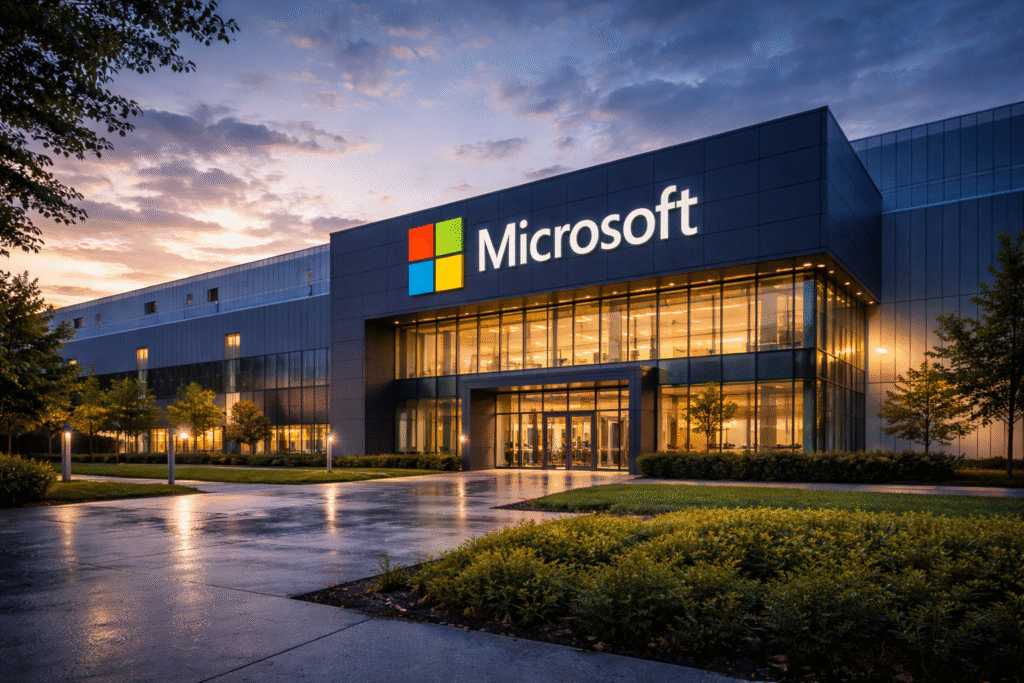
Microsoft is stepping up its push into custom AI hardware with the launch of Maia 200, a next-generation accelerator designed to run inside its own data centers.
The chip will initially be deployed internally before eventually becoming available to Microsoft’s broader customer base — a familiar strategy used by other cloud hyperscalers.
Following Amazon and Google’s Playbook
Like custom processors developed by Amazon and Google, Maia 200 is about control, cost, and flexibility.
By building its own AI silicon, Microsoft:
- Reduces reliance on third-party chipmakers like Nvidia and AMD
- Gains tighter integration between hardware, software, and cloud services
- Improves cost efficiency for running large AI workloads
Microsoft has lagged Amazon and Google in deploying custom AI chips, making Maia 200 a strategic catch-up move.
Built for Scale and Speed
Maia 200 is manufactured using TSMC’s 3-nanometer process and is purpose-built for high-volume AI workloads.
Key design features include:
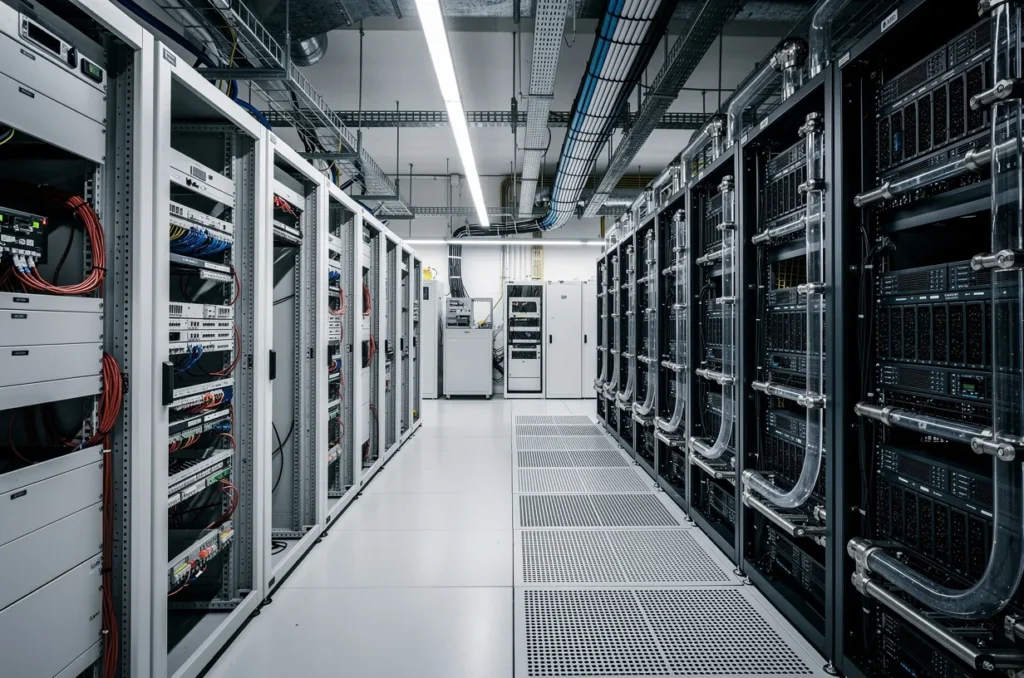
- Large server racks with trays holding four chips each
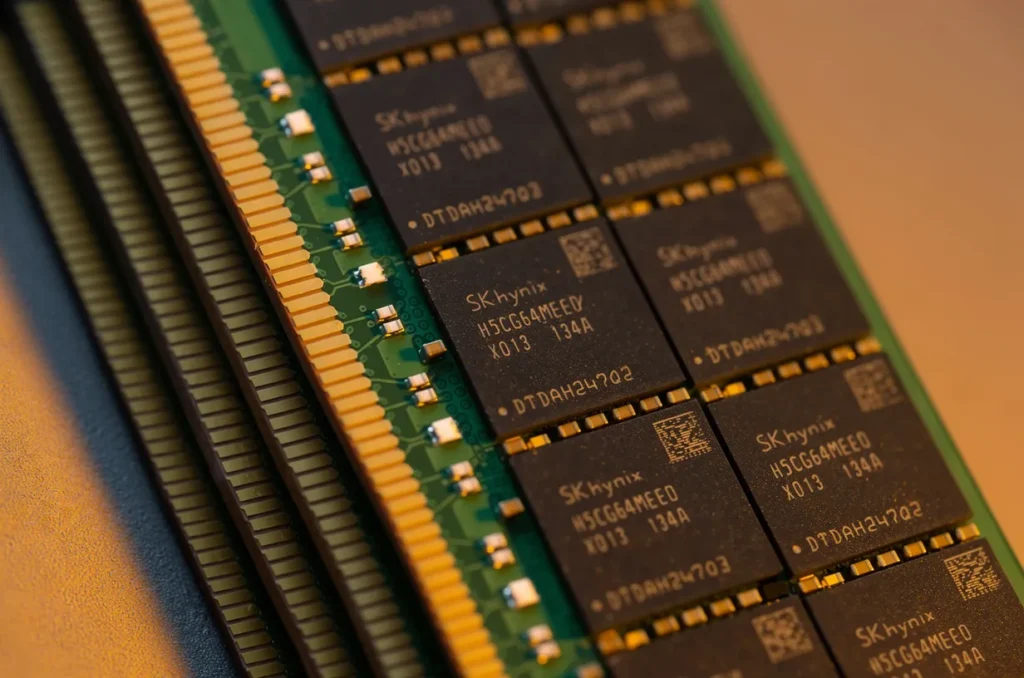
- High-bandwidth memory optimized for demanding AI models
- Rapid deployment, with chips operational within days of arrival
Speed matters. Every day a chip sits idle is lost revenue in the AI economy.
More Pressure on Nvidia’s Ecosystem
Microsoft’s first custom chip, Maia 100, already powers both Microsoft’s AI systems and those of OpenAI.
Maia 200 adds to a growing trend:
- Google runs its own models on internal TPUs
- Amazon powers AI workloads with Trainium
- Meta has explored external TPU usage to diversify compute
The message is clear: hyperscalers want less exposure to Nvidia’s pricing and supply constraints.
Why Nvidia Still Holds the Advantage
Despite the noise, Nvidia remains firmly in control of the broader AI chip market.
Industry experts note:
- Hyperscaler chips work best for internal workloads, not general customers
- Nvidia’s accelerators remain multi-purpose and ecosystem-driven
- Smaller enterprises still rely on Nvidia’s software, tooling, and flexibility
Microsoft itself does not claim Maia 200 will replace Nvidia across the market.
Performance Claims — With Limits
Microsoft says Maia 200 outperforms:
- Google’s latest TPU
- Amazon’s newest Trainium chip
…in several performance categories, while also offering more high-bandwidth memory, a critical factor for large AI models.
Still, Maia 200 is positioned as complementary, not disruptive — a way to optimize Microsoft’s own cloud economics rather than overturn the AI chip hierarchy.
WSA Take
Maia 200 isn’t about dethroning Nvidia — it’s about strategic independence.
Microsoft is joining Amazon and Google in building vertical control over AI infrastructure, protecting margins and reducing supplier risk. For investors, this reinforces a key theme: the AI arms race is shifting from pure chip performance to who controls the full stack.
Nvidia still dominates.
But the walls around its moat are getting tested.
Read our recent coverage on Gold Surginv Past $5,000/oz.
Explore more market insights on the WallStreetAccess homepage.
Disclaimer
WallStAccess does not work with or receive compensation from any companies mentioned. This content is for informational and educational purposes only and should not be considered financial advice. Always conduct independent research before investing.