UnitedHealth Profit Outlook Beats — But Medicare Shock Dominates
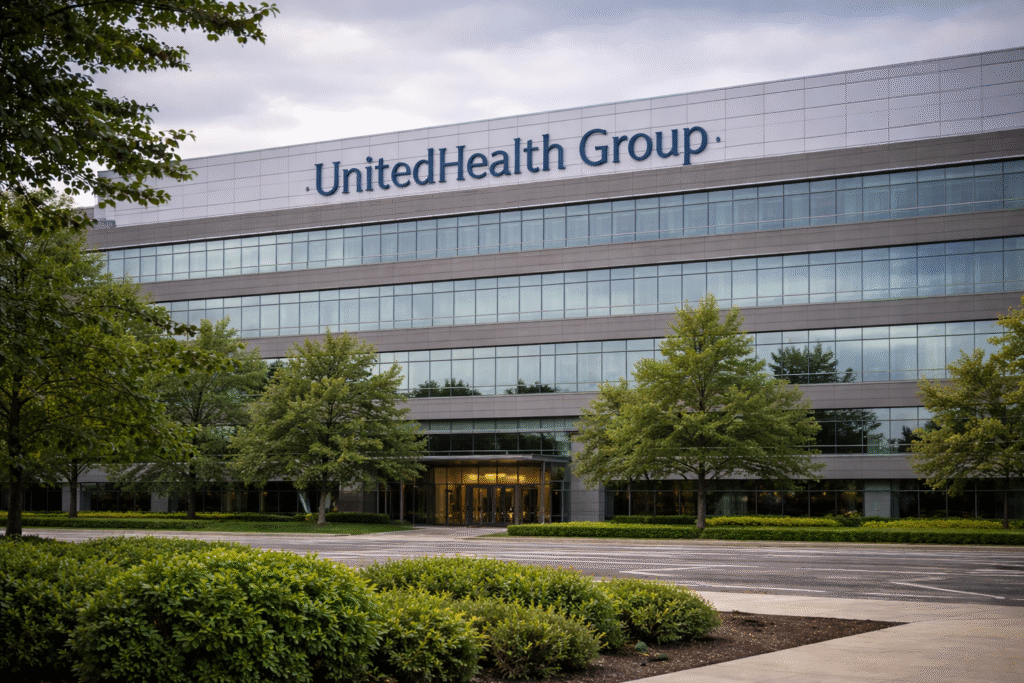
Shares of UnitedHealth Group fell after the insurer delivered a slightly better-than-expected 2026 profit forecast, overshadowed by a sharply disappointing proposal for Medicare Advantage reimbursement rates.
The reaction highlights how sensitive managed-care stocks remain to policy-driven revenue assumptions — particularly within government-sponsored programs.
2026 Guidance Shows Early Cost-Control Progress
UnitedHealth projected 2026 adjusted earnings per share above $17.75, narrowly topping the Wall Street consensus of $17.74, according to LSEG data.
The forecast reflects early gains from cost-control measures under CEO Stephen Hemsley, who returned to the role last year to stabilize operations after a turbulent period marked by:
- Elevated medical costs
- Regulatory scrutiny
- Operational strain across Medicare and Medicaid plans
Despite the improved outlook, management cautioned that Medicaid recovery will remain challenging, citing a mismatch between reimbursement rates and rising medical costs.
Medicare Advantage Rate Proposal Triggers Sector Sell-Off
Investor sentiment soured after the U.S. government proposed an average 0.09% increase in Medicare Advantage payments for 2026 — well below market expectations.
The proposal sent shares of major insurers sharply lower, including:
- UnitedHealth Group
- Humana
- CVS Health
If finalized, the increase would translate into just over $700 million in additional payments in 2027, a modest figure relative to the size of the Medicare Advantage market.
Final rates are typically set in early April, leaving room for potential revisions — but investors are already pricing in pressure.
Medical Costs Continue to Climb
UnitedHealth reported a 2025 adjusted medical care ratio of 88.9%, up from 85.5% in 2024, reflecting higher utilization across:
- Behavioral health services
- Specialty pharmaceuticals
- Home health care
The figure came in slightly better than analyst expectations of 89.1%, but still underscores ongoing margin strain within government-backed plans.
The company attributed the increase to:
- Reduced Medicare funding
- Policy changes tied to the Inflation Reduction Act
- Accelerating medical cost trends
Quarterly Results Edge Past Estimates
For the fourth quarter, UnitedHealth posted adjusted earnings of $2.11 per share, just ahead of the $2.10 consensus estimate.
While the beat was modest, it reinforced management’s message that internal cost initiatives are beginning to gain traction — even as external policy risks intensify.
WSA Take
UnitedHealth’s fundamentals are slowly stabilizing, but policy remains the dominant variable.
Beating profit forecasts no longer matters if reimbursement assumptions move against the sector. Until clarity improves around Medicare Advantage rates, managed-care stocks will likely remain headline-driven, volatile, and politically exposed.
For investors, this wasn’t a company-specific miss — it was a reminder that in healthcare, Washington still sets the tone.
Read our recent coverage on US Taking Stake in Rare Earth Miner in $1.6 Billion Deal.
Explore more market insights on the WallStreetAccess homepage.
Disclaimer
WallStAccess does not work with or receive compensation from any companies mentioned. This content is for informational and educational purposes only and should not be considered financial advice. Always conduct independent research before investing.