Lower oil gave the market another reason to stay near the highs
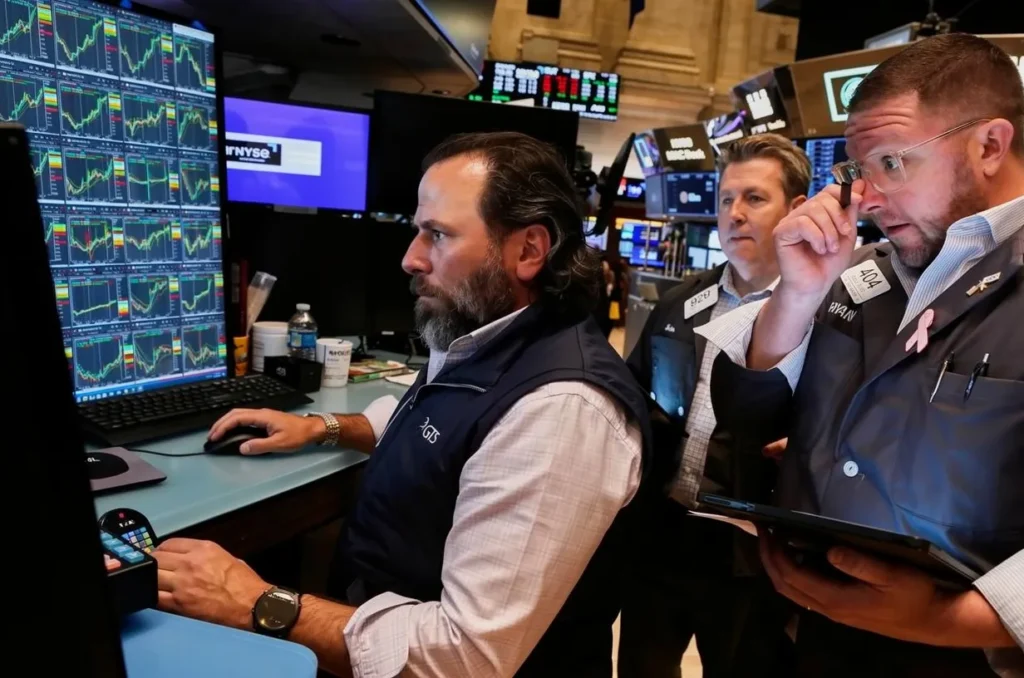
U.S. stocks opened mixed on Thursday, but the broader tone stayed constructive as falling crude oil helped ease some of the inflation pressure that had been building around the Middle East conflict.
The Nasdaq Composite rose 0.5%, while the S&P 500 added 0.2% after both indexes closed at fresh records. The Dow slipped 0.1%, reflecting a market that was still selective underneath the surface even as the major averages held up well.
The key driver early in the session was the move in oil. Signs that Iran may be evaluating a U.S. proposal to end the war helped push Brent crude back below $100 a barrel, giving investors a little more breathing room on inflation.
The market is trading the possibility of a Hormuz breakthrough
The biggest macro theme remains the same: the market wants clarity on the Strait of Hormuz.
Any sign that the blocked waterway could reopen matters immediately because that changes the inflation story, the growth story, and the rate story all at once. Lower oil prices tend to ease pressure on consumers, reduce margin stress for businesses, and give markets more confidence that central banks will not need to stay overly restrictive.
That is why this latest peace proposal matters so much. Even before a formal resolution, the market is already reacting to the possibility that the worst part of the energy shock could begin to ease.
Gold rallied for a different reason than equities
An interesting part of the move was that gold also rose while stocks moved higher.
That makes sense in this kind of setup. Lower oil can help gold by reducing inflation fears and reviving hopes that policymakers may eventually get more room to ease. So while stocks liked the drop in crude because it improved the broader risk backdrop, gold liked it because it softened one of the biggest macro headwinds that had been pressuring precious metals.
In other words, the same oil move supported both assets for different reasons.
Tech earnings are still doing a lot of the market’s work
The other key support remains technology earnings.
This week’s steady flow of results has continued to reinforce the idea that the AI trade is still one of the market’s strongest pillars. Investors keep looking for proof that all the spending on chips, data centers, and compute infrastructure is still converting into real revenue and guidance strength.
That is why the market largely shook off the weakness in Arm, which initially rose on an upbeat forecast before turning lower on supply concerns. The bigger picture remains that investors are still willing to buy into the AI buildout when the earnings support is there.
Record highs are still spreading across the market
Another constructive sign is that fresh intraday highs are continuing to appear across multiple corners of the market.
The source points to new highs in the:
- Nasdaq Composite
- S&P 500
- Nasdaq 100
- S&P 500 Equal Weight
- and several technology and industrial groups
That matters because rallies tend to be healthier when they broaden out rather than relying on one or two names. The market is still clearly led by technology, but participation has widened enough to suggest this move has more underneath it than just a handful of mega-cap winners.
Apple and the Mag 7 ETF are confirming the leadership story
A notable part of that leadership expansion came from Apple, which hit its first intraday record high since December, while the Roundhill Magnificent Seven ETF also tagged a new intraday high.
That matters because it shows the market is still comfortable rotating back into the largest and most visible growth names, even after a long run higher. When names like Apple, Alphabet, and the broader Mag 7 complex keep making new highs, it reinforces the idea that investors still trust large-cap tech more than almost any other part of the market.
Labor data is flashing a more mixed message underneath
Thursday’s labor data was more mixed than the index action might suggest.
On one side, weekly jobless claims came in cooler than expected, which is a short-term positive. On the other, the latest Challenger layoff report showed that AI was being blamed more frequently for job cuts, with the tech sector taking the hardest hit.
That matters because it captures a tension the market is still trying to sort out:
- AI is boosting profits, capex, and certain parts of growth
- but it is also contributing to labor disruption in some white-collar areas
That is not enough to derail the market right now, but it is part of the deeper economic story building underneath the rally.
Consumers are still uneasy about inflation
The New York Fed survey added another wrinkle.
Short-term inflation expectations rose to 3.6% in April from 3.4% in March, even as gas-price expectations eased somewhat from their earlier spike. The survey also showed deterioration in household finances, with more people saying their financial situation had worsened over the past year.
That matters because even when the stock market is hitting highs, the consumer backdrop does not look especially comfortable. Investors can live with that for a while if earnings stay strong and oil keeps moving down, but it remains a risk if inflation proves harder to bring back under control.
WSA Take
Thursday’s session showed a market still willing to push higher as long as oil keeps backing off and tech earnings keep doing their job. The possibility of progress with Iran gave investors a reason to believe the Hormuz pressure point might finally ease, and that was enough to support another move higher in the major growth-heavy indexes.
The bigger takeaway is that this rally is still being held together by the same forces: falling oil, strong AI-linked earnings, and broad leadership across tech. If those stay in place, the market can keep climbing. If the peace path slips or oil turns back higher, the mood can change fast.
Explore More Stories in Markets
Disclaimer
WallStAccess is a financial media platform providing market commentary and analysis for informational and educational purposes only. This content does not constitute investment advice, a recommendation, or an offer to buy or sell any securities. Readers should conduct their own research or consult a licensed financial professional before making investment decisions.