Lower oil gave precious metals exactly what they needed
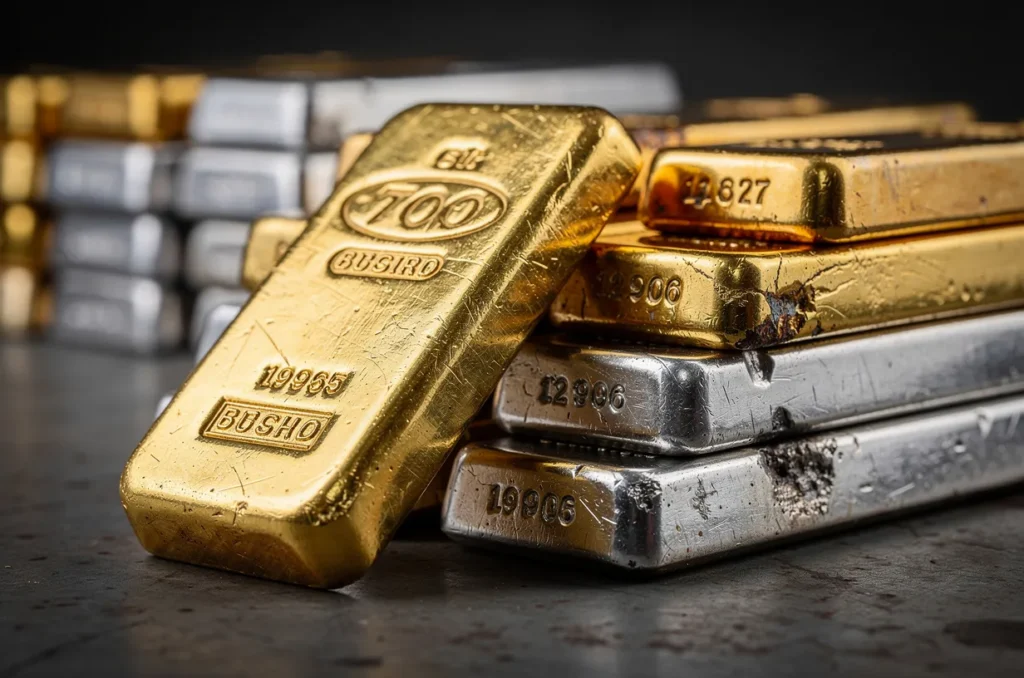
Gold and silver moved sharply higher as the market responded to growing optimism that the U.S. and Iran could be moving toward a deal that would end the conflict and ease the pressure on global energy markets.
That mattered because the recent weakness in precious metals had not been about a lack of geopolitical tension. It had been about what that tension was doing to oil, inflation, and interest-rate expectations. Once hopes of a truce pushed energy prices lower, the pressure flipped.
Gold climbed back above $4,700 an ounce, while silver posted one of its strongest moves in about a month.
This was really a rates move disguised as a metals rally
The key driver behind the rally was not just diplomacy. It was the market’s reaction to what diplomacy could mean for inflation and Federal Reserve policy.
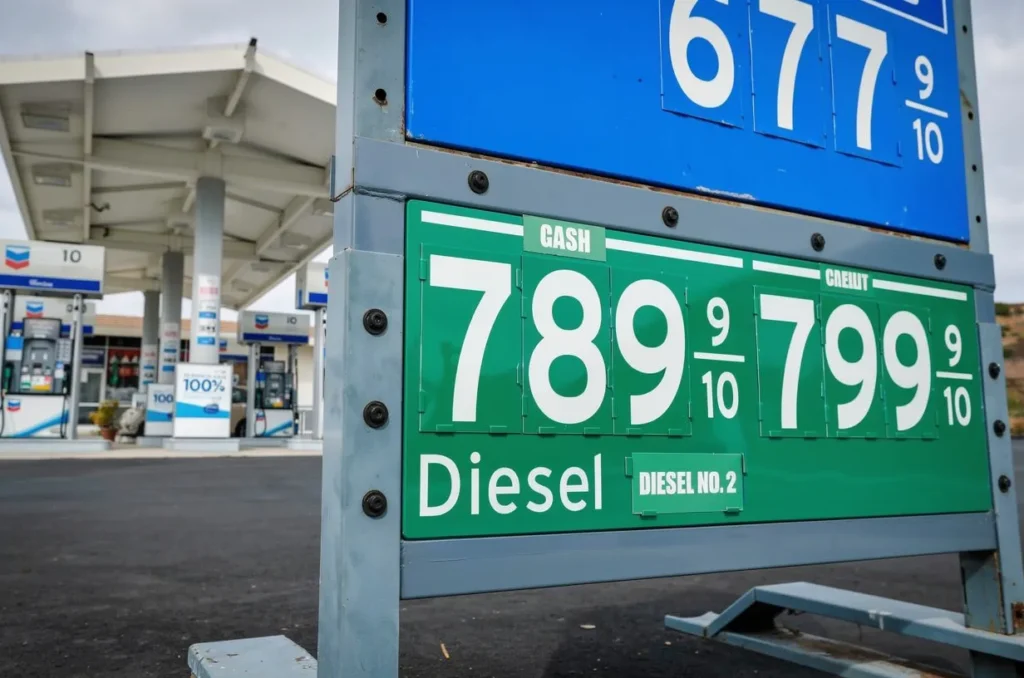
When oil rises because of war risk and supply disruption, investors start thinking about:
- higher inflation
- fewer rate cuts
- a stronger dollar
- and more pressure on non-yielding assets like gold
When oil falls on hopes of de-escalation, that process can reverse quickly.
That is what happened here. Lower energy prices helped reduce inflation concerns, and that reopened the door for investors to think again about a more supportive rate backdrop for bullion.
Gold had been punished by the war’s inflation shock
This rebound makes more sense when viewed against what happened earlier in the conflict.
Gold had fallen materially since the war began because the closure of Hormuz and the resulting energy shock made it harder for the market to believe in near-term rate cuts. In other words, the war was not hurting gold because investors stopped caring about safety. It was hurting gold because the inflationary consequences of the war made policy look tighter for longer.
That is why a truce headline matters so much.
If the market believes the energy shock is starting to unwind, then one of the biggest headwinds for gold begins to ease.
Silver moved even harder as risk appetite improved
Silver outperformed on the day, which is also telling.
Silver tends to benefit not only from lower-rate expectations but also from improving risk appetite and stronger cyclical sentiment. As global equities moved higher and investors became more comfortable taking risk, silver had more room to run than gold.
That does not mean the metals were trading on exactly the same logic, but they were clearly responding to the same macro shift: lower oil, lower yields, a softer dollar, and better confidence that the worst-case war scenario might be fading.
The dollar and bond yields both moved in the right direction
Another reason the rally had real force behind it is that the supporting macro pieces lined up at the same time.
The source notes that:
- bond yields moved lower
- the U.S. dollar traded back toward pre-war levels
- and global equities rose
That is an ideal mix for precious metals.
Gold performs better when yields fall because it does not pay income, so the opportunity cost of holding it declines. A softer dollar also helps because gold is priced in dollars, making it relatively more attractive when the currency weakens.
Put simply, the market gave gold the exact combination it had been missing.
The truce still is not done, but the market is starting to price the possibility
It is important to note that the move came on hopes of a deal, not a fully completed resolution.
Iran is reportedly evaluating a fresh U.S. proposal, while pressure from other major players, including China, is building around ending the conflict. President Trump also signaled that the military campaign and blockade could end if Iran agrees to the framework on the table.
That is enough for markets to start repricing. They do not need a fully signed agreement to move. They only need rising odds that the energy shock may not keep getting worse.
That is what made Wednesday’s rally in metals feel credible.
This was also a reminder of how fast sentiment can flip
The precious-metals move is a good example of how quickly the market can change its view when the inflation backdrop starts to shift.
Only recently, gold was being dragged lower by fears that oil would stay high and force the Fed to keep policy restrictive. Now, with oil moving down and truce hopes improving, the same market is again willing to think about future easing.
That kind of swing matters because it shows gold is still deeply tied to the macro narrative around:
- inflation
- rates
- oil
- and the dollar
The geopolitical backdrop matters, but the monetary implications matter more.
WSA Take
Gold and silver did not rally just because peace sounds good. They rallied because a possible U.S.-Iran truce gave the market a reason to believe the oil shock may ease, and that changes the entire inflation and rates conversation.
For investors, the key takeaway is simple: precious metals still respond best when the market starts pricing lower yields, a softer dollar, and a less hostile inflation backdrop. If the truce path keeps improving, gold and silver may have room to keep recovering.
Explore More Stories in Commodities
Disclaimer
WallStAccess is a financial media platform providing market commentary and analysis for informational and educational purposes only. This content does not constitute investment advice, a recommendation, or an offer to buy or sell any securities. Readers should conduct their own research or consult a licensed financial professional before making investment decisions.