The AI boom is making Big Tech spend like builders, not just platforms
The AI trade has made Big Tech bigger, richer, and much more capital intensive.
For years, companies like Alphabet, Microsoft, Amazon, and Meta were largely viewed as elite cash machines. Their core businesses generated huge operating cash flow, and investors got comfortable valuing them as scalable, asset-light platforms with enormous earnings power.
That picture is starting to change.
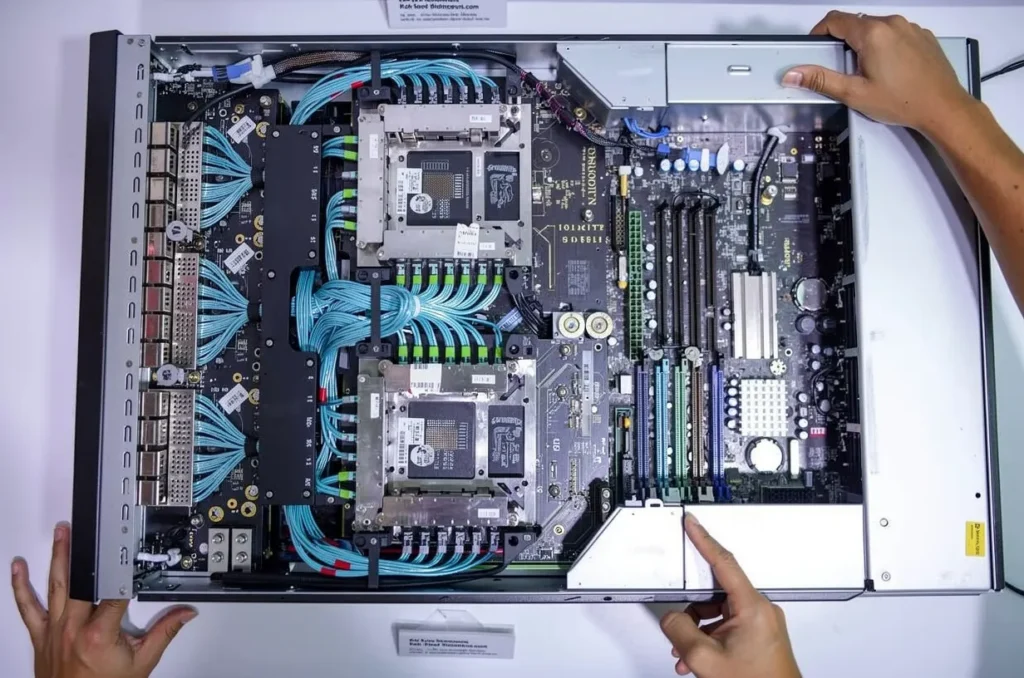
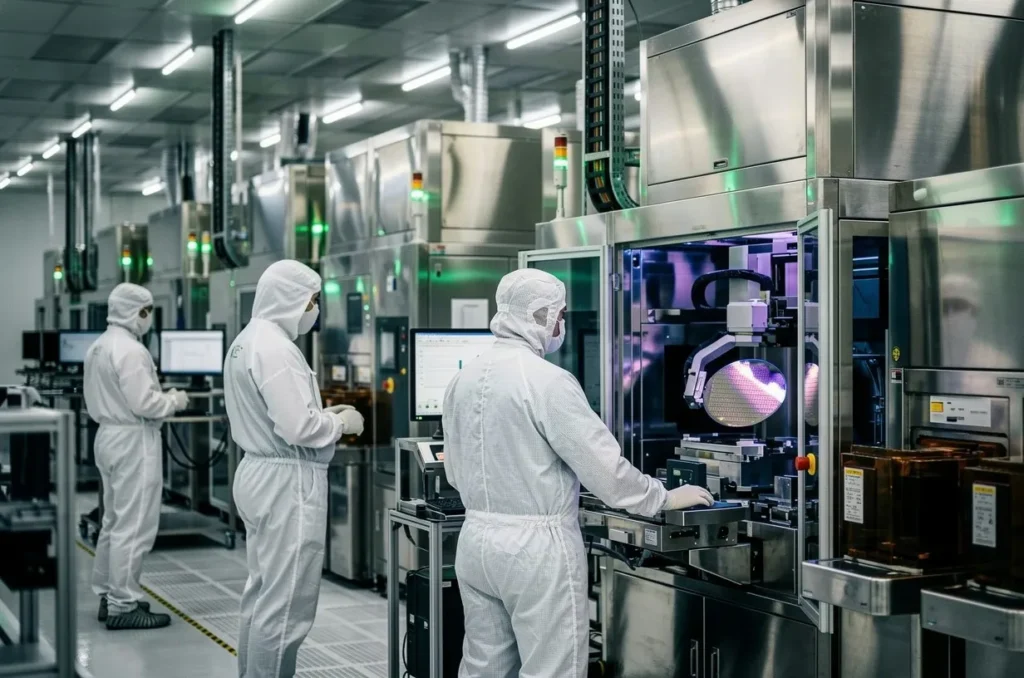
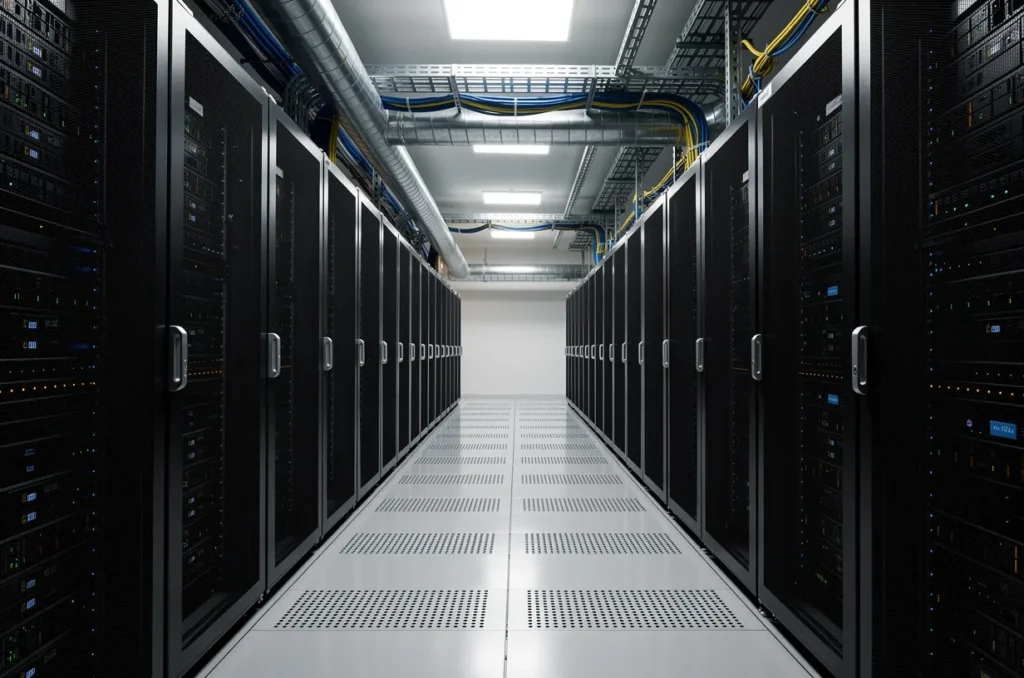
The AI boom is forcing these companies to spend heavily on the physical side of technology: data centers, chips, servers, networking gear, and power infrastructure. That means the next leg of growth is no longer being funded only by software and advertising economics. It is being funded by a much more expensive industrial-style buildout.
Capex is becoming one of the most important numbers in Big Tech
That spending shows up in capital expenditures, or capex.
Capex is the money companies spend on long-term assets needed to grow the business. In this cycle, that means AI infrastructure. And the size of the increase is becoming impossible to ignore.
The key issue is not just that capex is rising. It is that it is rising fast enough to consume a much larger share of the cash these companies generate from day-to-day operations. Amazon is now spending close to all of its operating cash flow on capex, while Meta and Alphabet are also sending far more of their cash back into the machine. Microsoft remains in a somewhat better position, but its trend is moving in the same direction.
That matters because once capex starts approaching or even exceeding operating cash flow, the market stops looking at AI spending as a simple growth tailwind. It starts treating it as a discipline question.
This turns the AI trade into a free-cash-flow story
For investors, the real pressure point is free cash flow.
Free cash flow is what is left after a company funds its operations and pays for long-term investments. It is the cash that survives the expansion cycle. That is the money investors usually count on to support valuations, buybacks, balance-sheet strength, and long-term flexibility.
When AI capex surges, free cash flow gets squeezed.
That does not necessarily mean the spending is bad. In fact, the market is still rewarding much of it because investors believe AI will become a foundational layer of future growth. But the trade becomes more demanding. Instead of just asking whether AI revenue is rising, investors now have to ask whether that revenue will arrive fast enough to justify how much cash is being consumed today.
Alphabet shows the problem especially clearly
Alphabet may be the clearest example of this tension.
Historically, Alphabet was one of the market’s cleanest cash-generation stories, driven by Google Search and digital advertising. But now, as investors pay up for AI upside and the company ramps spending, the valuation picture gets more complicated.
The reason is simple: if expected free cash flow gets squeezed while the stock still commands a premium multiple, then investors are implicitly betting that the AI investment cycle will eventually generate much stronger cash returns. That means Alphabet is no longer being valued only on what its legacy business throws off. It is also being valued on what investors think its AI buildout can become.
That is a much more demanding setup.
The market is still giving Big Tech the benefit of the doubt
So far, investors have largely been willing to accept the trade-off.
That makes sense. These companies still have enormous balance sheets, strong core businesses, and scale advantages that smaller rivals cannot match. If anyone can fund an AI arms race, it is this group.
But the tolerance is not unlimited.
The longer capex keeps rising, the more the market will want proof that the spending is producing something tangible:
- stronger cloud growth
- better AI monetization
- higher pricing power
- greater enterprise adoption
- or a clear path to future cash generation
The AI story is no longer just about leadership. It is about conversion.
This is where the next real investor debate begins
The bull case is still easy to understand. These companies are building the infrastructure behind the next major computing cycle, and early movers could end up owning a disproportionate share of the long-term value.
The harder question is timing.
Investors may believe the payoff is coming, but the market will still have to decide how much near-term free-cash-flow pressure it is willing to tolerate while waiting for it. That is especially true if rates stay elevated or if the broader market becomes less willing to pay extreme multiples for future optionality.
In that environment, strong AI narratives alone may not be enough. The companies spending the most will eventually need to show that the investment wave is producing more than just bigger capex budgets.
WSA Take
The AI boom is pushing Big Tech into a new phase where the winners are not just the companies with the best platforms, but the ones that can fund massive infrastructure spending without breaking the cash model investors came to love.
That is why this matters. The next test for Alphabet, Microsoft, Amazon, and Meta is not whether they can spend. It is whether all that spending starts turning back into visible free cash flow. Until then, the AI trade remains powerful — but increasingly expensive.
Disclaimer
WallStAccess is a financial media platform providing market commentary and analysis for informational and educational purposes only. This content does not constitute investment advice, a recommendation, or an offer to buy or sell any securities. Readers should conduct their own research or consult a licensed financial professional before making investment decisions.