A better jobs number gave the market an early lift
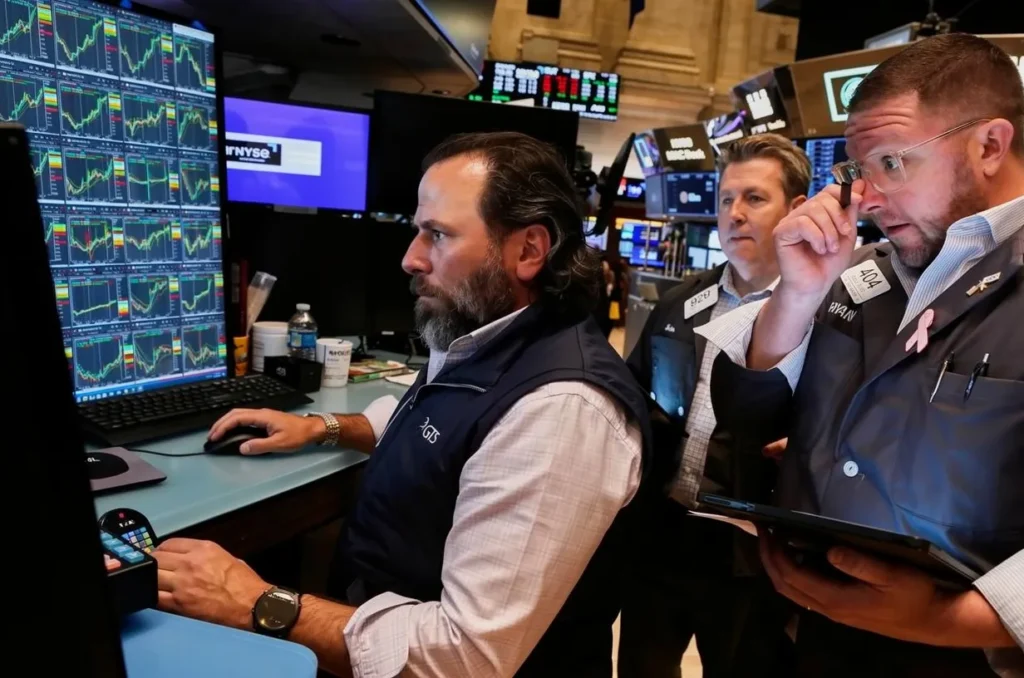
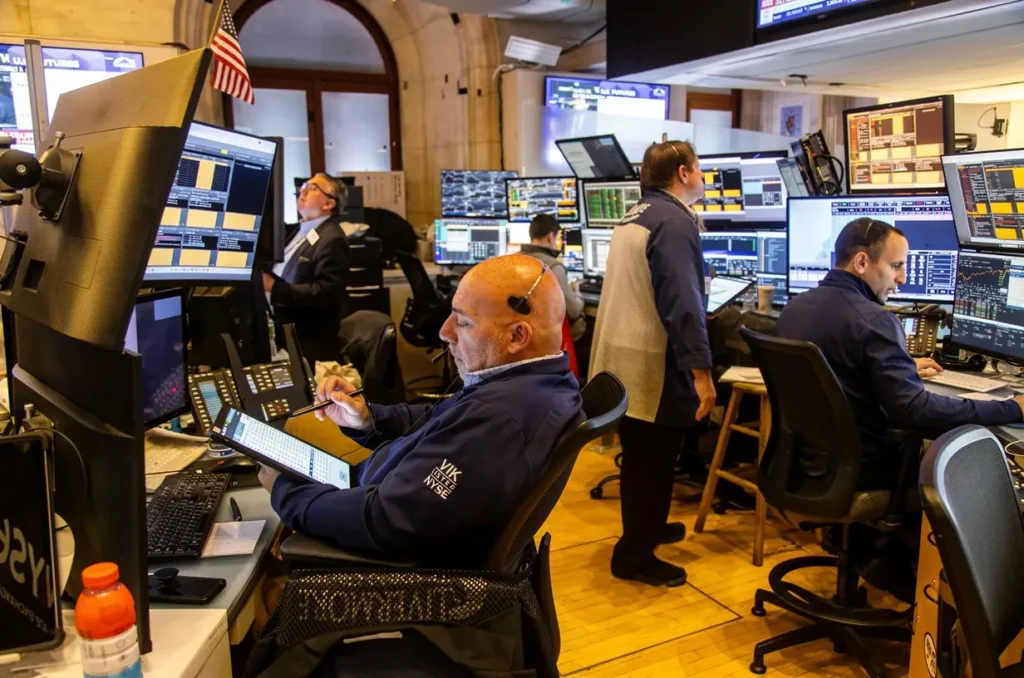
U.S. stocks moved higher on Friday morning after a surprisingly solid April jobs report gave investors a reason to lean back into risk.
The Nasdaq Composite rose 1.4%, the S&P 500 gained 0.8%, and the Dow added 0.1%. The report showed the U.S. economy added 115,000 jobs, well above expectations for 65,000, while the unemployment rate held steady at 4.3%.
That matters because the market has been looking for evidence that the economy is still holding together even as inflation, war risk, and rate uncertainty continue to hang over the backdrop. Friday’s data did not solve those problems, but it did offer a cleaner short-term growth signal than investors were bracing for.
The jobs report helped, but the Middle East still shaped the tape
Even with the stronger labor data, the market was still trading with one eye on the Middle East.
Oil moved higher after military clashes broke out near the Strait of Hormuz, with both the U.S. and Iran accusing each other of starting the latest attacks. President Trump said U.S. destroyers were unharmed and described the military action as limited, while also insisting that the broader ceasefire agreement remained intact.
That leaves investors in a familiar position. The market is willing to buy stocks when the economic data holds up, but it is still highly sensitive to anything that threatens energy flows through Hormuz. As long as that risk remains live, oil can quickly reassert itself as the main macro problem.
Tech kept doing the heavy lifting
The strongest part of the market was once again technology.
That makes sense in the current setup. When investors get a little relief on growth fears, they tend to rotate back into the parts of the market still carrying the strongest earnings and secular demand story. Right now, that remains tech, especially companies linked to AI, semis, and infrastructure-heavy growth themes.
Friday’s move reinforced the same pattern seen repeatedly this year: when macro stress eases even slightly, the Nasdaq tends to lead.
Rocket Lab showed risk appetite is still alive
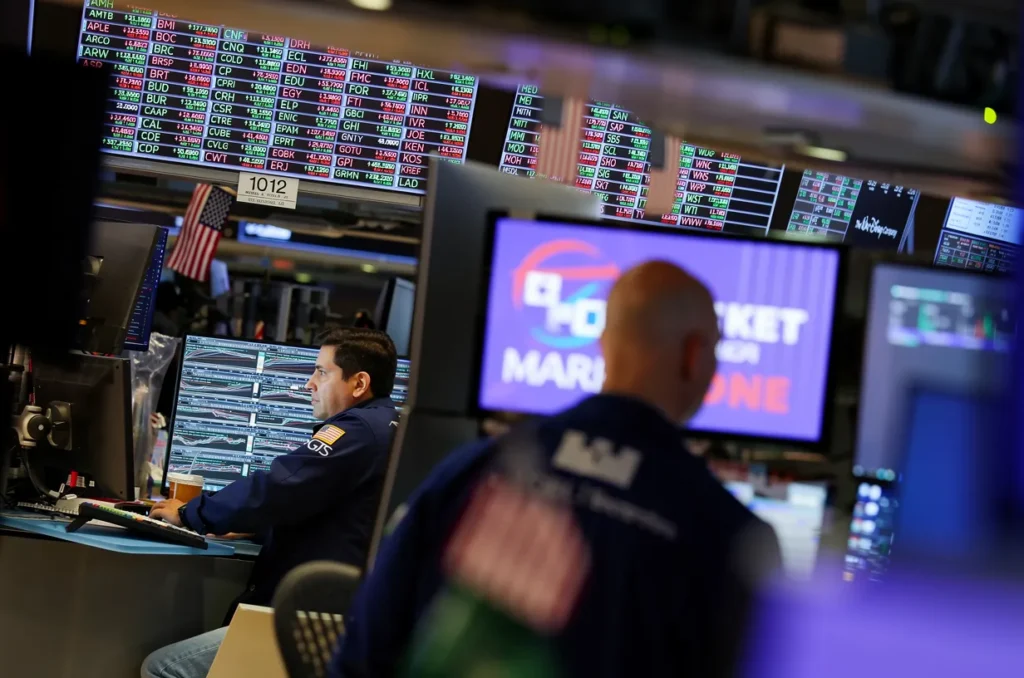
One of the stronger individual stories came from Rocket Lab, which surged after beating on revenue, guiding higher, and announcing a major new launch agreement along with a new defense-related contract.
That matters because it shows investors are still willing to reward growth stories tied to strategic sectors like space, defense, and advanced technology when the execution is there. Rocket Lab is not a broad market driver on its own, but moves like that tell you risk appetite is still very much alive under the surface.
Consumer sentiment is flashing a much weaker message
The most important caution signal in the day’s data did not come from jobs. It came from consumer sentiment.
The University of Michigan survey showed sentiment falling to a fresh record low in May, with households still heavily pressured by rising living costs. Gasoline prices remained a major concern, and inflation expectations, while easing slightly, stayed well above pre-war levels.
That matters because it highlights the growing split in the economy. The labor market still looks resilient enough to support equities in the short term, but consumers are clearly feeling the pressure from higher fuel costs and broader pricing stress. If oil stays elevated, those weak sentiment readings could eventually become a more serious problem for spending and growth.
This market is still balancing growth against oil
Friday’s action was a good example of what matters most right now.
On one side, the economy is still producing enough growth signals to support stocks, especially in tech. On the other side, every fresh headline around Iran, Hormuz, or oil threatens to push inflation fears right back into the center of the market.
That is why the rally looked solid but not fully carefree. Investors liked the jobs report. They just are not ready to ignore the geopolitical risk.
WSA Take
Friday’s move showed that the market still wants to buy good economic news, especially when it comes with leadership from tech. The stronger jobs print helped steady nerves, and the Nasdaq responded exactly the way you would expect.
But the bigger issue has not changed. As long as the Strait of Hormuz remains unstable, oil can still turn into the market’s biggest problem very quickly. For now, strong data is winning the day. The question is whether it can keep doing that if energy tensions escalate again.
Explore More Stories in Markets
Disclaimer
WallStAccess is a financial media platform providing market commentary and analysis for informational and educational purposes only. This content does not constitute investment advice, a recommendation, or an offer to buy or sell any securities. Readers should conduct their own research or consult a licensed financial professional before making investment decisions.