A carefully staged opening puts business at the center
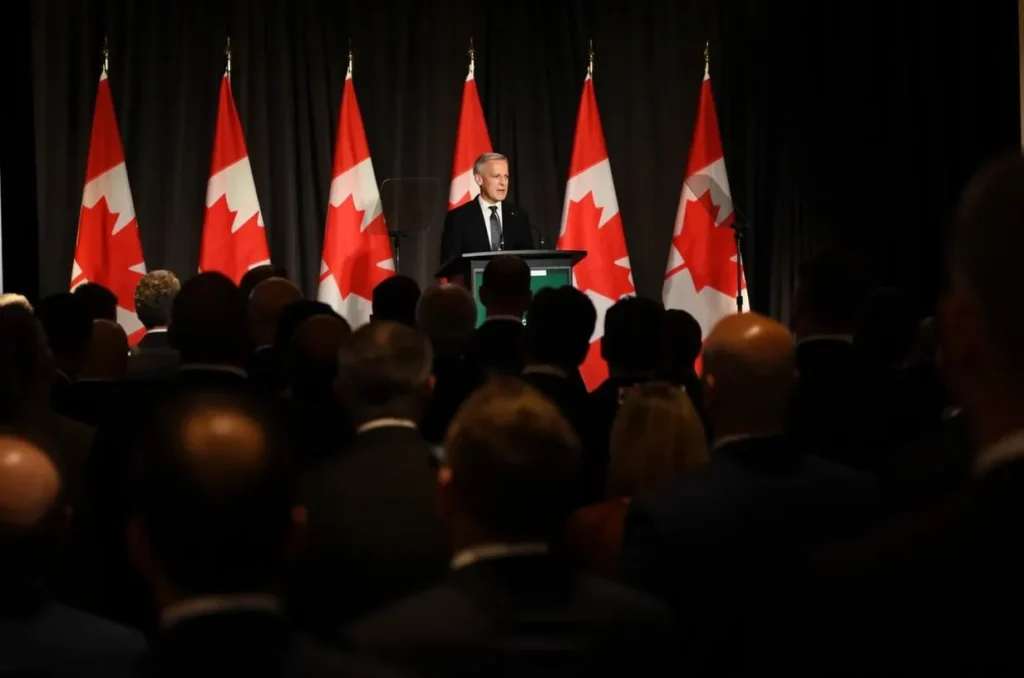
The first day of President Trump’s visit to China opened with a highly choreographed show of warmth toward American business leaders.
At the Great Hall of the People, Xi Jinping welcomed a delegation of top US CEOs and used the moment to send a familiar but still market-relevant message: China remains open to foreign business. According to the reported remarks, Xi said foreign companies could become more deeply involved in China’s reform and opening up, adding that “China’s door will only open wider.”
That was clearly designed to set a constructive tone early and reassure investors that, at least publicly, Beijing wants to keep economic ties with major American companies alive.
The CEO presence gave the moment more weight
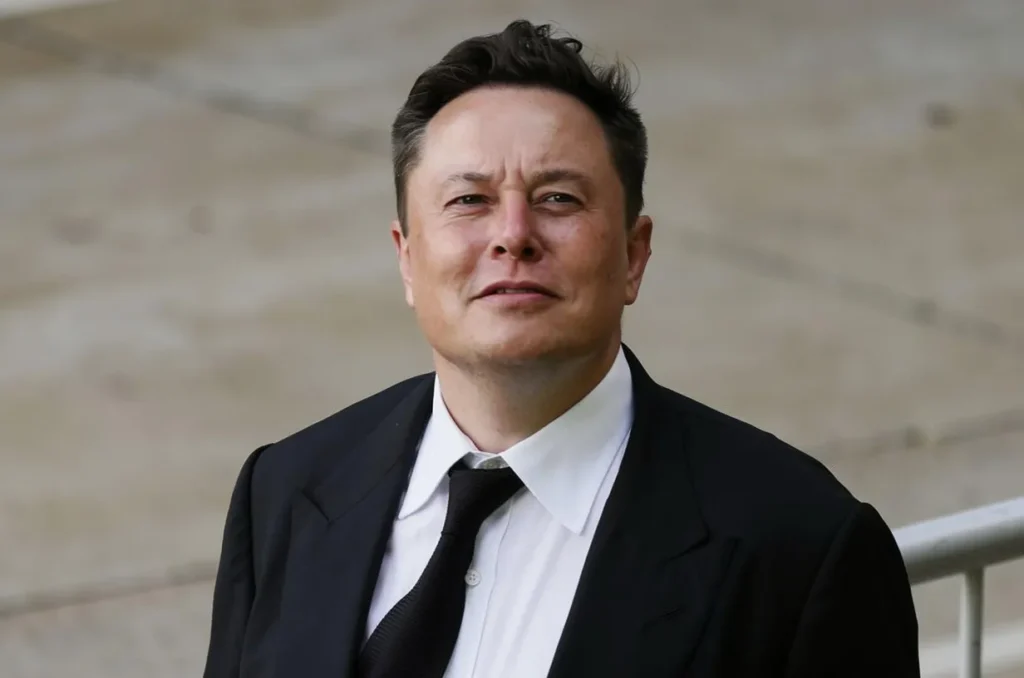
The optics mattered because this was not just a routine diplomatic meeting. The room included some of the most important executives in global technology and manufacturing, including Tesla’s Elon Musk, Nvidia’s Jensen Huang, and Apple’s Tim Cook.
Their reactions were upbeat. Musk called the talks “awesome” and later described them as “wonderful,” while Huang said both leaders had been “incredible.” Even Cook’s brief thumbs-up carried weight because it reinforced the idea that the business community wanted this meeting to go well.
For markets, that matters. When the CEOs of companies with deep exposure to China look comfortable, it helps support the idea that the visit is at least starting from a constructive place.
The message was positive, but investors have heard it before
The problem is that Beijing has made similar promises in the past.
China has repeatedly talked about reform, broader access, and a more welcoming environment for foreign firms. Yet many American companies still approach the country cautiously because of longstanding concerns around regulatory pressure, forced technology transfers, and intellectual property risk.
That is why investors are unlikely to take the “open wider” line at face value on its own. The tone was good. The message was positive. But the market has learned to wait for proof.
Trade and technology are the real battlegrounds
The trip matters because it sits at the intersection of the two biggest economic issues in the US-China relationship: trade and technology.
That is especially important right now because the companies involved are not random. Tesla, Apple, and Nvidia all sit close to the center of global supply chains, advanced manufacturing, AI infrastructure, and consumer electronics. If market access improves even modestly, these are the kinds of companies that stand to benefit first.
At the same time, they are also the companies most exposed if talks stall or tensions rise again.
The harder issues have not disappeared
Even with the upbeat tone, the more difficult issues still hang over the visit.
Taiwan, the war in Iran, tariffs, and rare earth supply chains all remain major pressure points between Washington and Beijing. Those issues are far bigger than one business roundtable, and they are not likely to be solved by warm body language or optimistic quotes from executives.
That is why expectations for major breakthroughs have remained low. The market may welcome a constructive mood, but it still wants to see whether anything concrete comes out of the trip.
Markets will judge this trip on outcomes, not optics
This is where the visit becomes more important for Wall Street.
The early symbolism is helpful, but investors will ultimately judge the trip on whether it leads to any real progress on:
- trade dispute management
- market access for US firms
- tariff stability
- technology cooperation or guardrails
- broader economic predictability
Without movement on those fronts, the upbeat first-day tone may end up looking like diplomatic theater rather than a meaningful shift.
A calmer US-China tone would still matter for stocks
Even modest progress would matter.
Markets are already dealing with a fragile global backdrop shaped by Middle East risk, sticky inflation, and supply chain uncertainty. If the US and China can at least reduce friction, that would remove one layer of macro stress from the market and help support multinational industrial, technology, and consumer names.
That does not require a grand bargain. It simply requires enough stability for investors to believe the relationship is not getting worse.
WSA Take
The first day of Trump’s China visit gave markets the headline they wanted: Xi welcoming top US CEOs and talking about opening China further. That helped create a more positive tone and showed both sides understand the importance of keeping business ties from fully deteriorating.
But the market has seen this setup before. The real test is not the handshake, the ceremony, or the soundbite. It is whether this trip produces anything tangible on trade, market access, or strategic stability. Until then, investors will likely treat the warm opening as encouraging, but incomplete.
Explore More Stories in Markets
Disclaimer
WallStAccess is a financial media platform providing market commentary and analysis for informational and educational purposes only. This content does not constitute investment advice, a recommendation, or an offer to buy or sell any securities. Readers should conduct their own research or consult a licensed financial professional before making investment decisions.