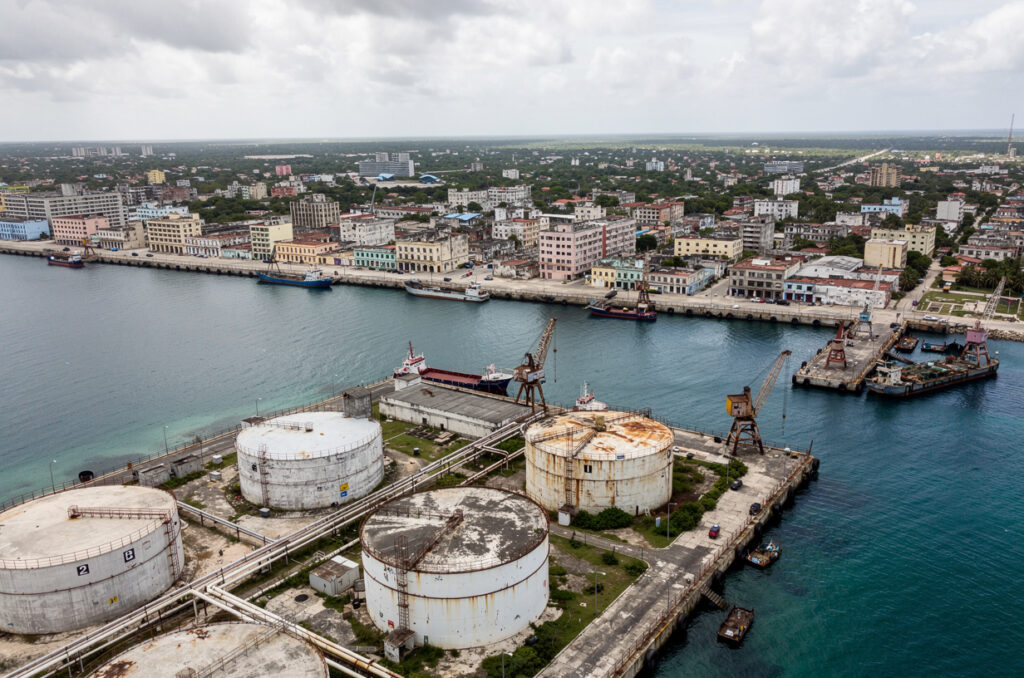
Cuba’s energy crisis has moved from shortage to outright depletion
Cuba’s fuel situation has deteriorated into a full-blown energy emergency.
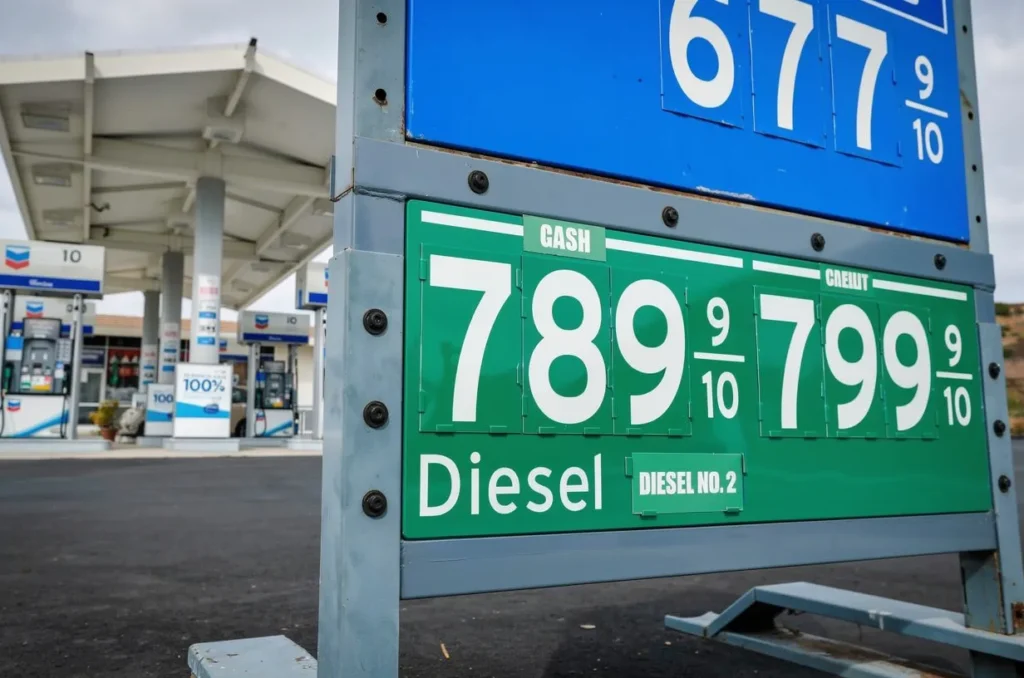
According to Cuban Energy Minister Vicente de la O Levy, the island has run out of both fuel oil and diesel, leaving the power grid in a critical state and worsening an already severe electricity crisis. Reuters reported that parts of Havana have been enduring blackouts lasting up to 22 hours a day, a sign that this is no longer a temporary disruption but a system-wide breakdown.
That matters because Cuba’s power system was already fragile. Once fuel reserves disappear entirely, the crisis stops being about rationing and starts becoming about how long basic electricity service can be sustained at all.
The core pressure point is fuel access
The immediate driver is the tightening of US pressure on Cuba’s fuel supply chain.
Reuters reported that since January, the Trump administration has escalated measures that effectively block oil shipments to Cuba’s government, including threats against countries and companies that continue supplying the island. The cutoff hit especially hard because Cuba had been heavily dependent on imported fuel, particularly from Venezuela, and that supply channel was severely disrupted earlier this year.
In other words, this is not just a domestic infrastructure problem. It is a geopolitical supply chokehold playing out through an already weak energy system.
Blackouts are now turning into unrest
The economic and political fallout is becoming more visible.
Reuters reported that protests broke out across Havana as residents blocked roads and demanded electricity. The demonstrations were tied directly to worsening outages and the collapse of normal daily conditions, including food spoilage, unbearable heat, and broader disruption to transport and basic services.
That is the next stage of an energy crisis. First, supply disappears. Then outages deepen. Then the pressure moves into the streets.
Washington is pairing pressure with a conditional offer
At the same time, the US is trying to frame the crisis as an opportunity for leverage.
The State Department said on May 13 that the United States is prepared to provide $100 million in direct assistance to the Cuban people if the Cuban government permits it, while also making clear that Washington continues to seek meaningful reforms to Cuba’s communist system. The statement explicitly said the decision now rests with the Cuban government.
That is important because it shows the current US approach is not simply punitive. It is coercive and transactional. The message is essentially that relief may be available, but only if Havana is willing to move politically.
The private sector carve-out does not solve the national crisis
One wrinkle in the story is that some fuel is still reaching Cuba through channels meant for private business.
Reuters reported in March that the US had allowed more fuel shipments into Cuba’s private sector, but that supply is reserved for private businesses and does not solve the state’s much larger electricity-generation crisis. That distinction matters. Small commercial shipments may keep some parts of the informal economy functioning, but they do nothing to refill the national fuel tank.
So while there is still some fuel entering the island, the central state system is still running dry.
This is also becoming a regional energy and political story
For markets, Cuba itself is not a major oil consumer. But the story still matters.
It is another example of how geopolitical conflict, sanctions, and energy policy are colliding in ways that create real-world disruption far from the main battle lines. Cuba’s crisis shows how fuel scarcity can spread into fragile systems quickly, especially when a country depends heavily on politically exposed imports and has limited buffer inventory.
It also highlights a broader reality investors keep seeing in 2026: energy is no longer just a price story. It is increasingly a logistics, sanctions, and political control story.
WSA Take
Cuba’s fuel crisis is now severe enough that the government is openly acknowledging it has no diesel and no fuel oil left. That is not just a headline. It is a sign of how aggressively energy pressure can destabilize a weak system once imports are cut off.
For investors, the bigger takeaway is not Cuba alone. It is that energy security remains one of the clearest pressure points in global politics this year. When supply routes get choked and sanctions tighten, the damage shows up fast — first in blackouts, then in unrest, and eventually in broader geopolitical bargaining.
Explore More Stories in Commodities
Disclaimer
WallStAccess is a financial media platform providing market commentary and analysis for informational and educational purposes only. This content does not constitute investment advice, a recommendation, or an offer to buy or sell any securities. Readers should conduct their own research or consult a licensed financial professional before making investment decisions.