The market is no longer trading hope, it is trading shortage
Oil moved higher again because the market is running out of reasons to expect quick relief.
The core issue has not changed. The Strait of Hormuz remains effectively shut, US-Iran negotiations are still stuck, and the broader war framework looks no closer to resolution. As long as that remains the backdrop, the oil market is being forced to price a world where supply disruptions persist far beyond the kind of short-term shock traders initially hoped for.
That is why crude is staying firm even after weeks of diplomatic headlines. The market is no longer reacting to every peace rumor the way it did earlier in the conflict. It wants actual barrels moving again.
Trump’s China trip did not deliver the oil breakthrough traders wanted
One of the bigger hopes heading into the Trump-Xi summit was that China might be pushed to play a more direct role in reopening Hormuz or pressuring Tehran toward a clearer settlement.
That does not appear to have happened.
Trump left China without a meaningful breakthrough on the issue, and while there was some rhetoric around improved cooperation and future Chinese purchases of American oil, that is not what the market needed right now. What traders wanted was some sign that Beijing, as a major importer of Iranian oil and one of the few countries with real leverage in the situation, would help move the Hormuz issue toward a solution.
Instead, the summit produced little on that front, and oil stayed supported as a result.
The real pain point is still Hormuz
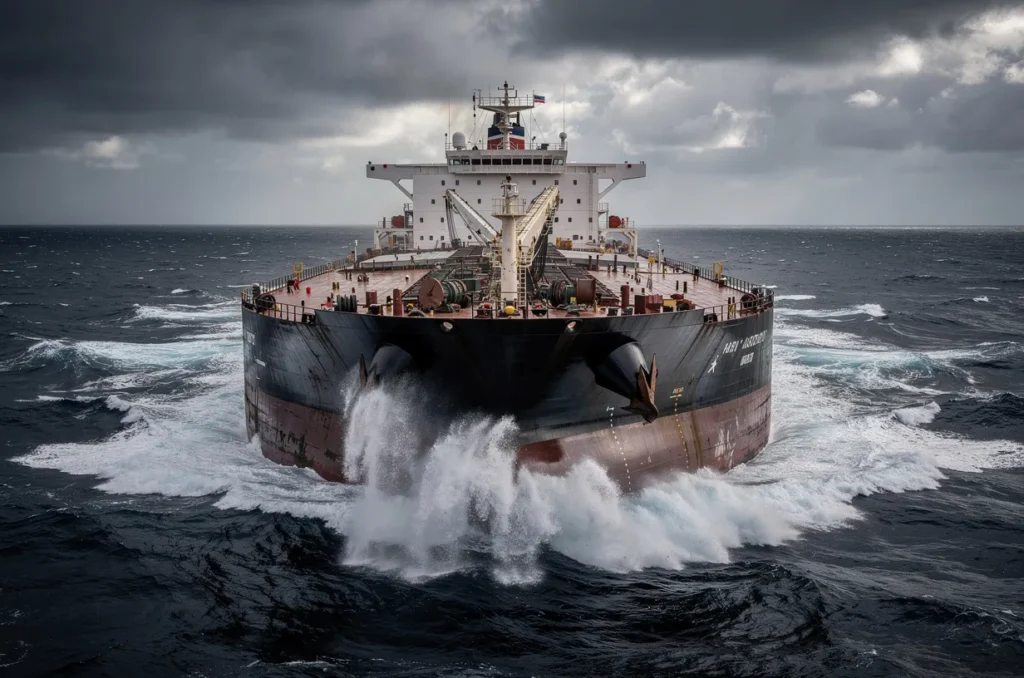
This market keeps coming back to one thing: Hormuz is the choke point that matters most.
As long as flows through the waterway remain heavily impaired, the global energy system stays under pressure. The issue is not just lost Iranian supply. It is the broader disruption to regional logistics, tanker movement, crude availability, and market confidence. Even a partial reopening would matter. Without it, every week of delay makes the deficit harder to absorb.
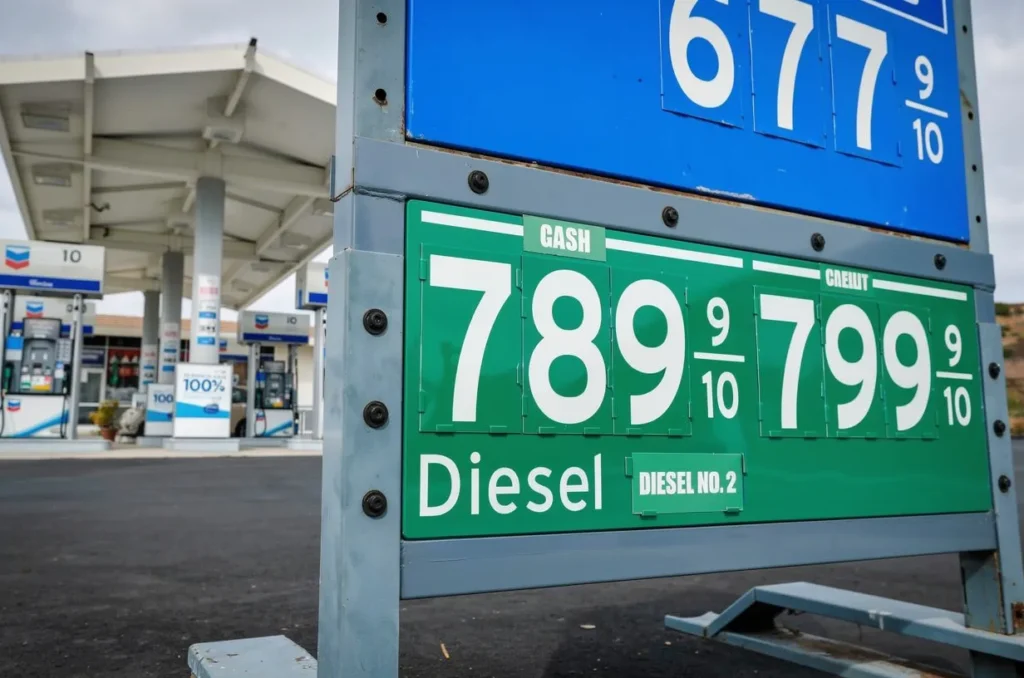
That is why traders are still leaning bullish. The supply disruption is no longer theoretical. It is visible in inventories, physical prices, and the length of time the market expects the imbalance to last.
The IEA just made the problem harder to dismiss
One of the most important signals in the article is the International Energy Agency’s warning that the market will remain severely undersupplied until October, even if hostilities end next month.
That matters because it shifts the discussion away from daily volatility and toward duration.
A short-lived disruption can often be absorbed. A sustained undersupply running for months is a much bigger issue. It means refiners, traders, consumers, and policymakers all have to prepare for a tighter energy environment well beyond the near term. It also reinforces the view that this is not a market that simply snaps back the moment a ceasefire headline appears.
The supply damage is already done. The question now is how long it lingers.
Physical crude is confirming what futures have been signaling
Another reason the bullish case remains intact is that the strength is not just showing up on a screen in paper markets. Physical crude markets have been firming again too.
That is important because physical tightness is what ultimately validates a higher oil price. When cargoes become harder to source, alternative routes get prioritized, and inventories keep drawing down, the market starts trading less like a fear premium and more like a real shortage.
This is where the story becomes more serious. Futures can swing on sentiment. Physical markets tighten when actual supply is constrained.
Bond markets are starting to react to the inflation risk again
The oil story is no longer contained within energy markets. It is bleeding back into the broader macro picture.
The article notes that bond markets sold off as concern grew that oil flows would not normalize quickly. That matters because rising oil does not just hit gas stations. It raises the risk of broader inflation pressure, tighter financial conditions, and more discomfort for central banks already struggling to get price growth under control.
This is where the oil move becomes more dangerous for equities and the wider economy. A prolonged supply shock can turn into a macro problem fast.
The market still sees escalation as more likely than resolution
For all the ceasefire language that still exists on paper, the market appears to be pricing a higher likelihood of continued tension than clean de-escalation.
That makes sense. The current agreements are still far apart, the uranium issue has reportedly been pushed to the side rather than solved, and both Washington and Tehran continue to send mixed messages. In practical terms, the market sees a fragile truce, not a durable settlement.
That is why the path of least resistance for oil remains higher unless something materially changes.
The UAE pipeline story shows how the region is already adapting
One of the more important longer-term developments is the UAE’s move to complete a pipeline bypassing Hormuz by next year, effectively doubling its export capacity outside the strait.
That matters because it shows regional producers are not treating this as a temporary inconvenience. They are adjusting infrastructure around the assumption that Hormuz can no longer be treated as a perfectly reliable corridor. That is a major signal in itself.
When countries start building around the chokepoint rather than waiting for it to normalize, it tells you the strategic consequences of this conflict are already extending well beyond the immediate war.
WSA Take
Oil is holding high because the market is finally treating this as a supply problem with duration, not just a geopolitical scare. The Trump-Xi meeting did not deliver the kind of pressure campaign or diplomatic shift traders were hoping for, and Hormuz remains the central unresolved issue.
The bigger takeaway is that this market is tightening in real time. Inventories are falling, physical crude is firm, and even a near-term end to hostilities would not quickly repair the supply damage already done. As long as that remains true, oil has a strong floor underneath it.
Explore More Stories in Commodities
Disclaimer
WallStAccess is a financial media platform providing market commentary and analysis for informational and educational purposes only. This content does not constitute investment advice, a recommendation, or an offer to buy or sell any securities. Readers should conduct their own research or consult a licensed financial professional before making investment decisions.