The rally finally hit a wall in the bond market
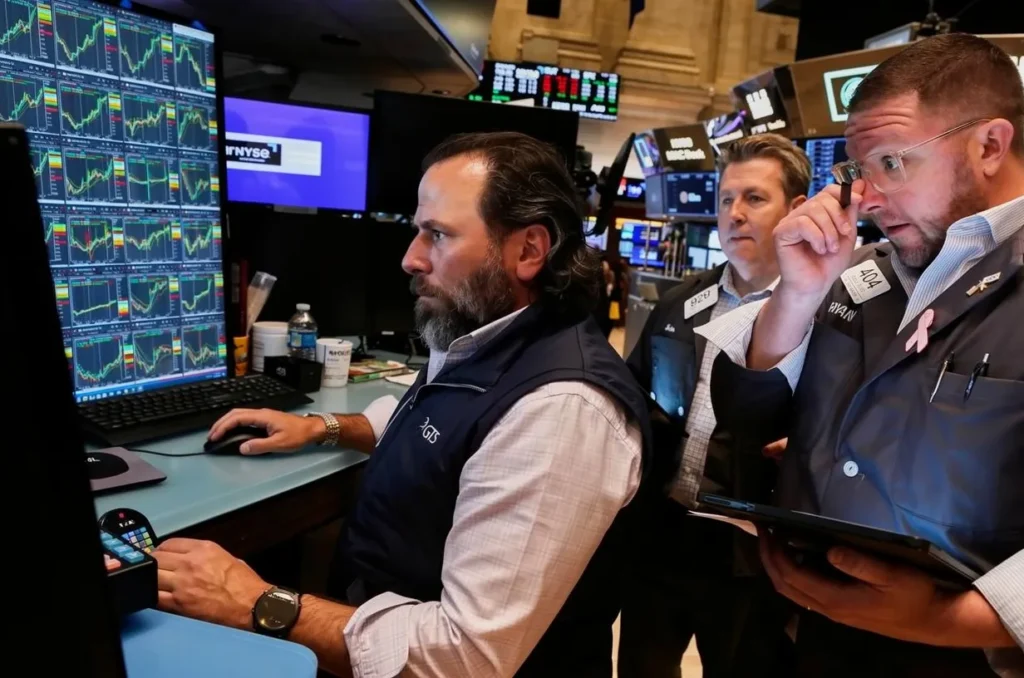
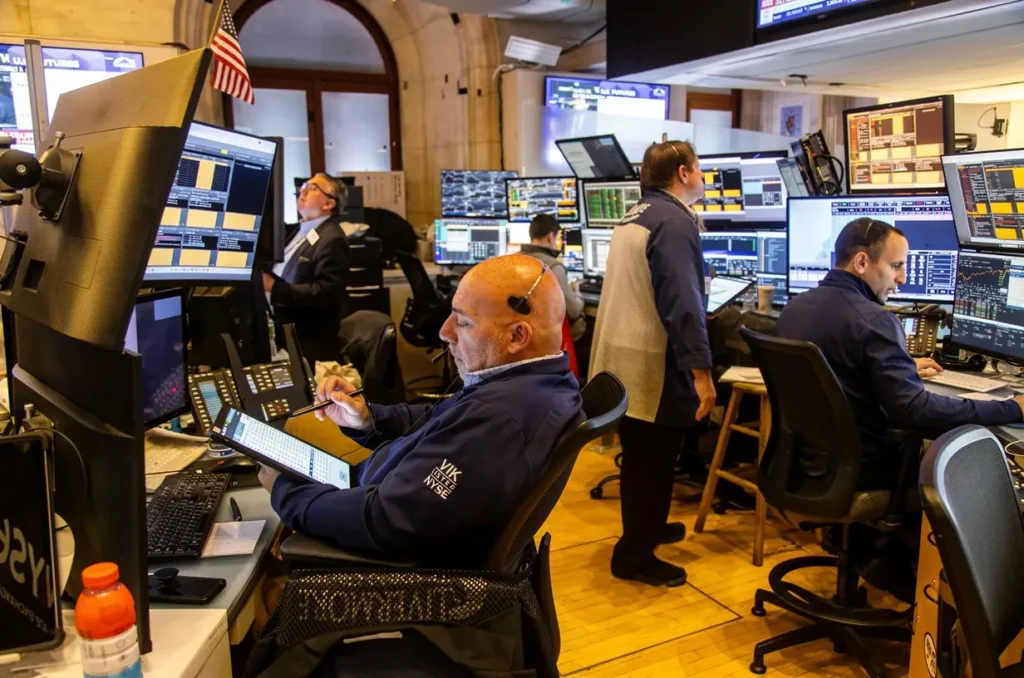
Wall Street gave back ground on Friday as rising yields and renewed inflation concerns pulled investors out of risk assets.
The Nasdaq dropped 1.4%, the S&P 500 fell 1.1%, and the Dow lost more than 500 points, slipping back below 50,000. The move came just one day after fresh record closes, which made the reversal feel more like a reset than a collapse.
The issue was not really earnings. It was rates.
The 10-year Treasury yield moved above 4.5%, while the 30-year Treasury yield climbed past 5% and hit its highest level since 2007. Once those levels break, the market starts paying much closer attention because long-end yields tighten financial conditions quickly. That tends to hit equities first, especially higher-multiple growth stocks.
The summit sounded positive, but the market wanted more than optics
The Trump-Xi meeting gave markets a few pro-business headlines, and it did produce real deal flow for names like Boeing and Nvidia. That helped preserve the impression that both sides still want to keep economic relations from worsening further.
But the summit did not solve the issues that mattered most to the macro backdrop.
Taiwan remained unresolved. More importantly for markets, Iran remained unresolved. The White House hoped China might help lean on Tehran given its role as a major buyer of Iranian oil, but there was no real breakthrough. Trump struck an optimistic tone, but Xi was more measured.
That mattered because the market is no longer satisfied with diplomatic atmospherics. It wants something concrete that can ease the energy shock.
Oil is still feeding the inflation problem
That energy shock remains central.
Brent climbed back toward $108 a barrel, extending the pressure from an already difficult week for inflation-sensitive assets. Investors had just spent the last few days digesting firmer CPI and PPI readings, and higher oil only made the problem more uncomfortable.
This is the core issue now: inflation is no longer just a data story. It is being reinforced by geopolitics, commodity tightness, and supply chain stress all at once.
That is why yields kept pushing higher.
The 30-year yield is back in the danger zone
The biggest warning sign in the session came from the long bond.
The 30-year Treasury yield rose to 5.12%, its highest level in nearly two decades. The 10-year climbed to 4.57%. Those are not just numbers traders stare at on a screen. Those levels matter because they ripple through mortgage rates, financing conditions, equity valuations, and risk appetite more broadly.
The market has seen this before. Every time the long bond gets back into this zone, stocks start to feel it.
That is especially true when the move higher is tied to inflation fears rather than strong real growth.
The market is starting to price a harder macro backdrop
This is what Friday’s selloff really looked like: a repricing of the idea that rates may need to stay restrictive for longer.
Even if the Fed does not move immediately, markets are being forced to accept that inflation is proving more stubborn than hoped. Rising oil, stronger commodity prices, and firmer consumer and producer inflation data all point in the same direction.
That does not mean the bullish case for stocks is broken. But it does mean the market needs better earnings, better productivity, or a real cooling in inflation to keep pushing higher from here.
Friday did not offer that relief.
Commodities are becoming a bigger story than just oil
Another important backdrop here is that this is not just an energy move anymore.
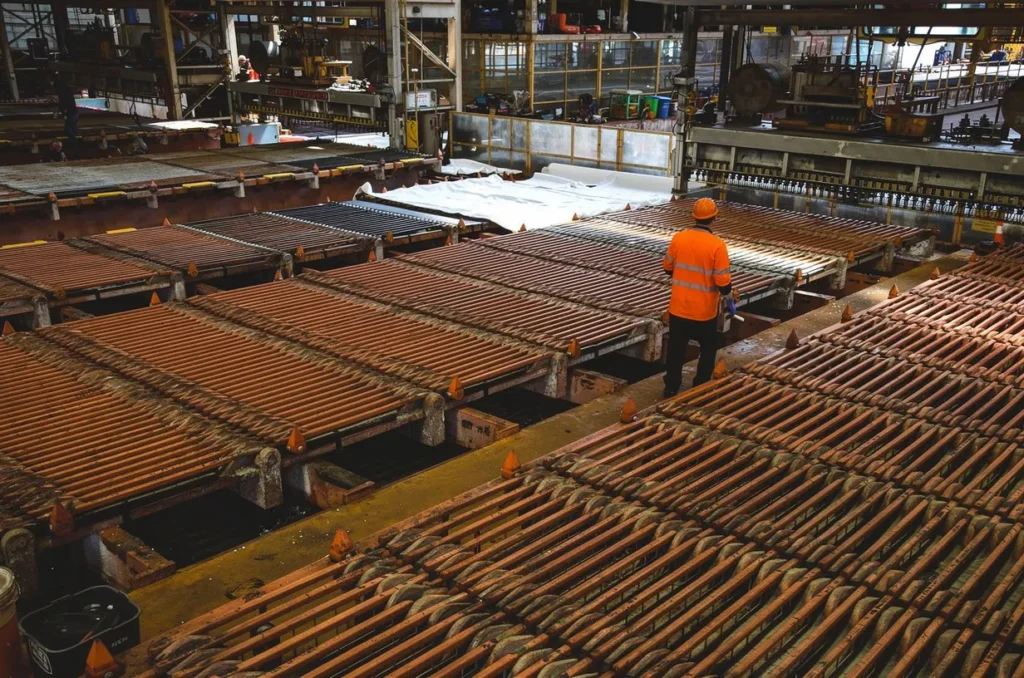
The broader commodity complex has been strengthening, with metals and other hard assets continuing to benefit from tight supply and infrastructure demand. That matters because when commodities outside oil are also firm, inflation gets harder to contain. It starts showing up in manufacturing, construction, transport, and food.
That is the kind of environment where bond markets stay jumpy and equity rallies become harder to sustain.
The AI buildout is still bullish — but now it comes with real-world bottlenecks
One reason the commodity story matters so much is that the AI buildout is no longer just a software narrative. It is becoming a physical one.
That means more demand for:
- power
- metals
- cooling
- construction
- long-dated infrastructure spending
That is a major reason some investors now believe the market is entering another commodity supercycle. The logic is straightforward: the next wave of tech growth is not lightweight. It needs physical inputs, and those inputs are getting tighter in a world that is also becoming more fragmented.
That is bullish for select sectors, but it is also inflationary.
WSA Take
Friday’s selloff was not really about disappointment from the Trump-Xi summit. It was about the market being reminded that yields still matter more than diplomacy when inflation is not behaving.
The summit helped the tone around business and trade, but it did not change the immediate energy picture, and it did not stop the bond market from flashing stress. With the 30-year yield back above 5%, the market is once again being forced to reckon with a world where capital is expensive, inflation is sticky, and commodity pressure is not fading fast.
That is a tougher setup for stocks, even if the long-term growth themes remain intact.
Explore More Stories in Markets
Disclaimer
WallStAccess is a financial media platform providing market commentary and analysis for informational and educational purposes only. This content does not constitute investment advice, a recommendation, or an offer to buy or sell any securities. Readers should conduct their own research or consult a licensed financial professional before making investment decisions.