The Fed is only one part of a crowded global policy week
This is one of the most concentrated stretches of central-bank decision-making this year. The Reserve Bank of Australia and the Bank of Japan have already delivered decisions. The Federal Reserve follows Wednesday, and the Bank of England closes out the sequence on Thursday. That kind of policy clustering matters more than usual because the global macro backdrop has become more difficult again.
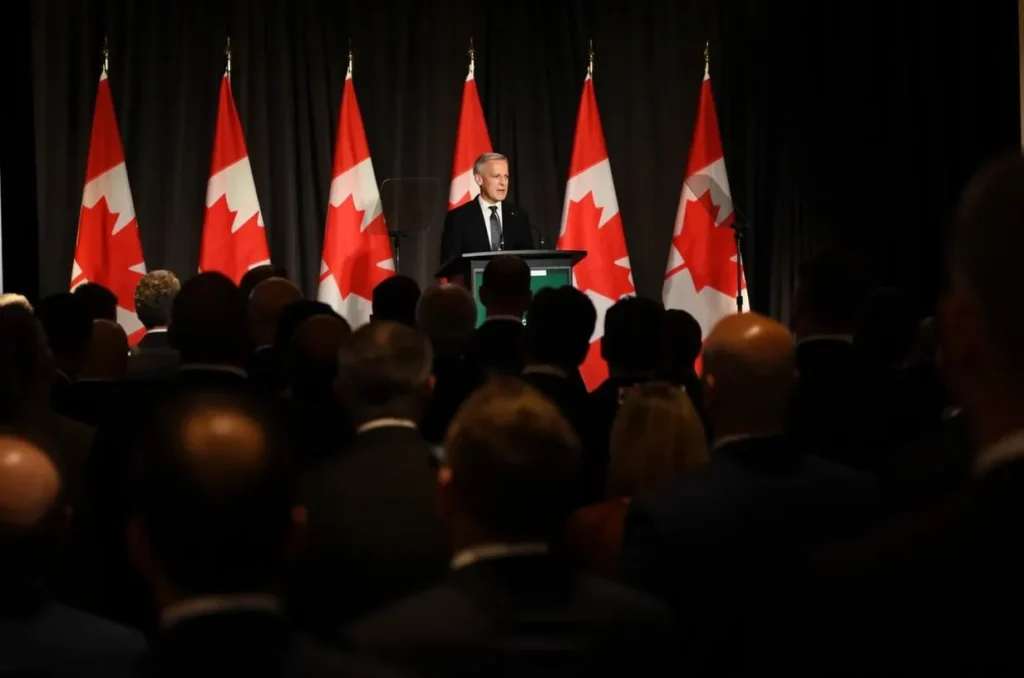
Warsh’s first meeting arrives with markets already on edge
The Fed is widely expected to leave rates unchanged, but this meeting is not being treated like a routine hold. Reuters reported that investors are focused on Warsh’s first statement, updated projections, and inaugural press conference for signals about how he plans to frame inflation, communication, and the balance between flexibility and guidance. Markets have been pricing a meaningful chance of another rate hike by year-end as inflation remains above target and the labor market stays firmer than many expected.
The old easing narrative has become harder to defend
The policy backdrop has changed quickly. Before the recent oil shock, the central question across most developed markets was when central banks could begin easing more confidently. That question is now much less clear. Reuters reported that Warsh takes office as investors confront stronger job data, high oil-linked inflation risk, and a debate that has moved away from cuts and back toward whether policymakers may need to tighten again.
Japan has already moved
The Bank of Japan remains the clearest sign that the tone has shifted. Reuters reported that the BOJ raised rates by 25 basis points to 1% in a 7-1 vote, taking borrowing costs to their highest level since 1995. That move reflected persistent inflation, yen weakness, and concern that higher import and energy costs could feed further into consumer prices.
Australia paused, but not with an easy tone
The Reserve Bank of Australia left rates unchanged at 4.35%, as expected, but the hold did not read as dovish. Reuters reported that the RBA acknowledged slower growth while keeping the door open to further tightening if inflation proves more persistent. That is becoming a familiar central-bank posture: pause when possible, but avoid sounding comfortable.
Europe has already shown where this debate can go
The European Central Bank offered the clearest recent example of policymakers deciding they can no longer simply look through an energy shock. Reuters reported that the ECB raised its deposit rate to 2.25% last week, its first increase in nearly three years, with officials arguing that damage to energy infrastructure and lingering supply risk could keep price pressures elevated even if the immediate oil spike moderates.
This is the core policy dilemma now
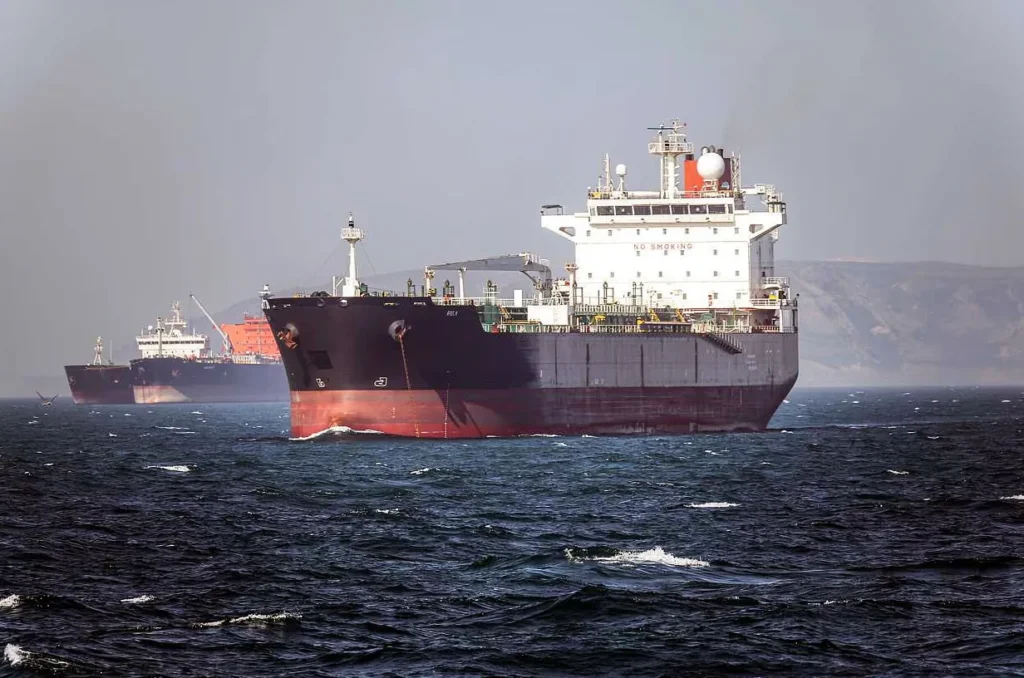
Higher oil prices and disrupted energy flows do two things at once. They push inflation higher through fuel, transport, and input costs. They also weaken growth by squeezing households and businesses. Those forces work against each other on activity, but in the near term they reinforce each other on inflation. That is why this week matters. The major central banks are all looking at some version of the same problem, even if each one is facing it through a different domestic lens.
Warsh’s communication may matter almost as much as the rate decision
The market is not just watching for a policy hold. It is watching for a shift in style. Reuters reported that Warsh has been skeptical of heavy forward guidance and may favor a leaner, less over-explained Fed communication approach. If that proves true, the Fed under Warsh may become less predictable in tone even if the rate path itself initially changes only modestly.
The message from this week may be broadly similar even if the decisions differ
Taken one by one, the meetings do not all look dramatic. Japan has hiked. Australia has paused. The Fed is expected to hold. The Bank of England is also expected to stay on hold. The broader message, though, is much more important than the individual moves. The path to lower rates is no longer straightforward, and policymakers appear increasingly reluctant to sound confident that inflation risk is fading cleanly.
WSA Take
Warsh’s first Fed meeting is landing at exactly the wrong moment for anyone hoping for easy policy clarity. The global central-bank backdrop has become more complicated again, with oil, inflation, and growth all pulling in different directions. The Fed may hold rates steady this week, but the real significance of the meeting is likely to be the tone: how Warsh frames the inflation problem, how much flexibility he wants to preserve, and whether the market comes away believing the next move is still uncertain rather than comfortably lower.
Explore More Stories in Markets
Disclaimer
WallStAccess is a financial media platform providing market commentary and analysis for informational and educational purposes only. This content does not constitute investment advice, a recommendation, or an offer to buy or sell any securities. Readers should conduct their own research or consult a licensed financial professional before making investment decisions.