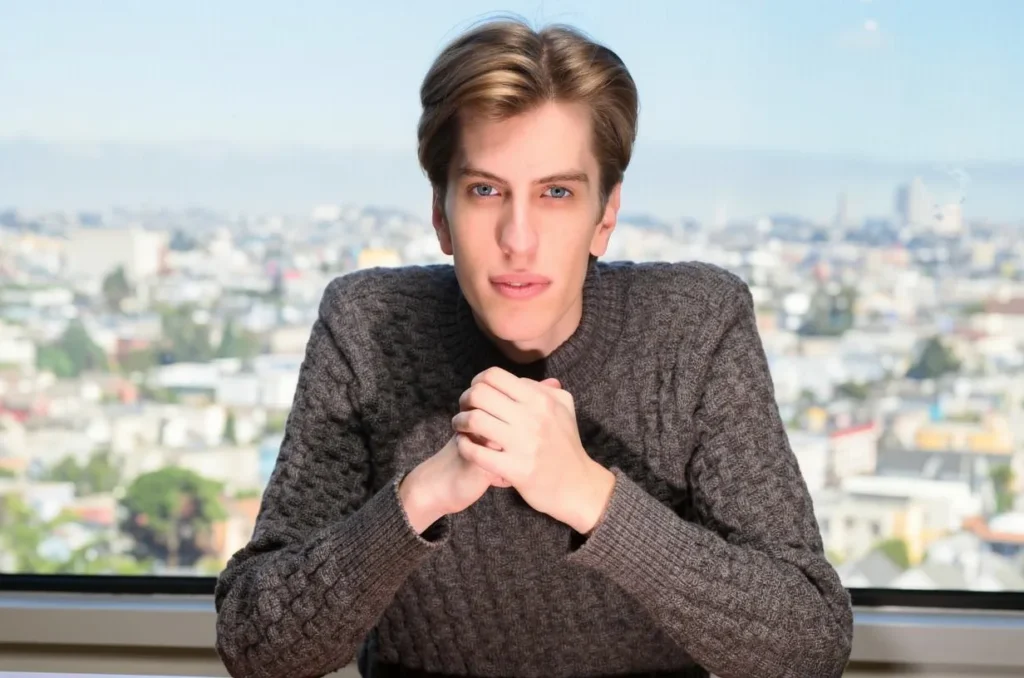
Leopold Aschenbrenner’s AI fund was forced to sell
Leopold Aschenbrenner’s AI-focused hedge fund, Situational Awareness, sold the bulk of its public stock portfolio to Ken Griffin’s Citadel after heavy losses in tech holdings, according to Reuters.
The sale came after a sharp rout in AI-linked equities put pressure on the fund’s leveraged book. Reuters reported that Situational had been forced to choose between raising fresh capital from investors or selling its public equities portfolio. It chose to sell.
The fund’s most recent filings showed positions in several prominent technology names, including Broadcom, Intel and CoreWeave.
Citadel bought the leveraged portion of the portfolio
Citadel is buying the portion of Leopold Aschenbrenner’s public portfolio that was financed with broker leverage, according to Reuters.
The transaction was facilitated by several major Wall Street prime brokers, including Goldman Sachs, JPMorgan Chase, Bank of America and Citigroup.
Reuters reported that it was not clear whether Situational faced margin calls before the deal. The Wall Street Journal reported that the fund was down about 67% in July, citing a source who saw a letter the firm sent to investors.
Aschenbrenner reportedly blamed short sellers targeting the fund’s positions for worsening the losses.
A 439% gain turned into a forced unwind
Leopold Aschenbrenner had become one of the most watched names in the AI trade.
Since launching Situational Awareness in 2024, the former OpenAI researcher built a major following among investors for early and aggressive bets on artificial intelligence. Reuters reported that the fund returned 439% from the start of the year through the end of June.
That performance made Aschenbrenner’s portfolio a point of attention across Wall Street. His fund’s filings were followed for clues on where AI money was moving next.
Then the trade reversed.
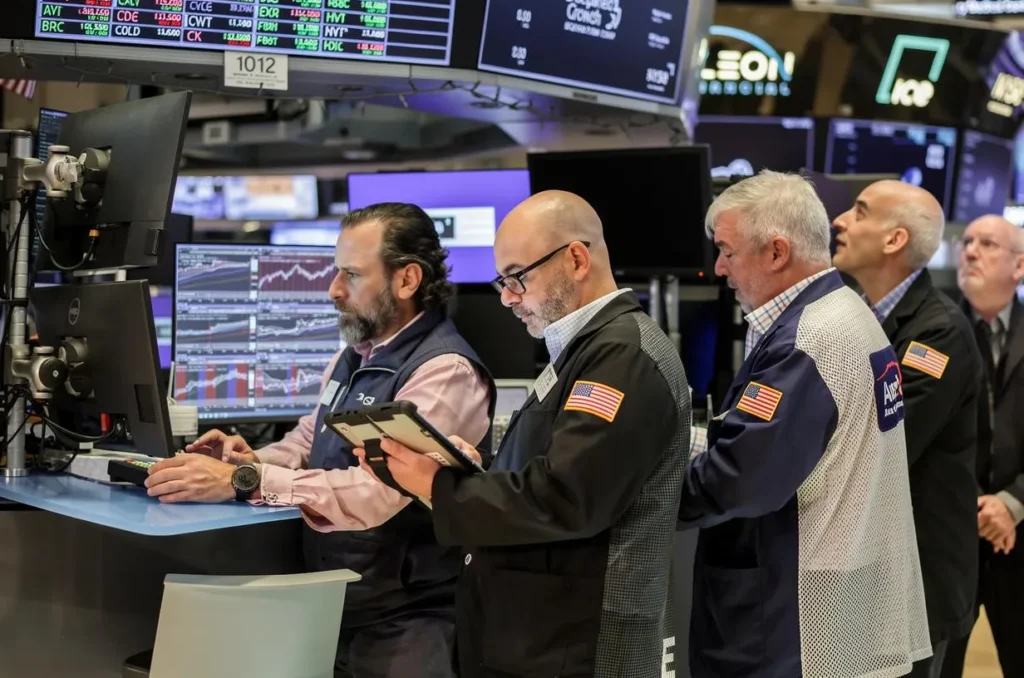
AI stocks sold off across the board in July, hitting crowded positions in semiconductors, infrastructure names and high-growth technology companies. Situational’s leverage turned the decline into a forced sale.
Situational is keeping Anthropic
Citadel did not buy the entire fund.
After the transaction, Situational is expected to hold roughly $10 billion in assets, including stocks and private investments. Reuters reported that Leopold Aschenbrenner’s fund has not sold its stake in Anthropic.
That leaves Situational with a smaller book and less public-market exposure, while preserving one of its most important private AI positions.
The public stock book was the part that broke under pressure. The Anthropic stake remains.
The AI hedge fund trade is unwinding
Leopold Aschenbrenner’s forced sale comes during a broader drawdown for hedge funds exposed to AI stocks.
Goldman Sachs said Asia-focused fundamental long-short funds were down 18.6% on average in July through July 28. Morgan Stanley’s prime brokerage unit also told clients that stock-picking hedge funds had been cutting AI exposure by selling long positions and covering shorts.
The unwind has hit many of the same areas that led the market earlier this year:
- Semiconductors
- AI infrastructure
- Cloud suppliers
- Data centre stocks
The rush out of crowded AI positions created the pressure that forced Situational to shrink.
Aschenbrenner’s rise made the collapse bigger
Leopold Aschenbrenner was not a typical hedge fund manager.
He was a former OpenAI researcher who became known in Silicon Valley after publishing a widely read essay on the future of artificial intelligence. He later launched Situational Awareness and attracted major backers, including Jane Street, Stripe co-founders Patrick and John Collison, and Meta executives Daniel Gross and Nat Friedman, according to Reuters.
That profile made the Citadel deal more than a standard hedge fund unwind.
Aschenbrenner became one of the public faces of the AI investment boom. Now, after one month of severe losses, most of his public stock book has been sold to one of the largest hedge funds in the world.
Citadel gets the book after the break
Citadel, which manages about $71 billion, is now picking up most of Leopold Aschenbrenner’s public AI stock holdings after the selloff.
Situational survives, but in a very different form. The fund is expected to retain about $10 billion in assets, including private investments such as Anthropic, while giving up most of the public equity book that helped drive its massive early returns.
Explore More Stories in Markets
Disclaimer
WallStAccess is a financial media platform providing market commentary and analysis for informational and educational purposes only. This content does not constitute investment advice, a recommendation, or an offer to buy or sell any securities. Readers should conduct their own research or consult a licensed financial professional before making investment decisions.