AI companies are suddenly debating how fast they should move
The race to build more powerful AI models has rarely left much room for restraint. OpenAI, Anthropic, Google, Meta and xAI have competed aggressively on model performance, computing power and the speed of new releases, while billions of dollars continue flowing into chips and data centers to support the next generation of systems.
That race has become less straightforward. Anthropic CEO Dario Amodei recently argued that frontier-model development may need to slow so safety work can catch up, and other prominent figures in the industry have backed parts of that argument. The warnings have introduced an uncomfortable question into a market built around rapid AI advancement: what happens if the companies developing the technology decide they need to move more carefully?
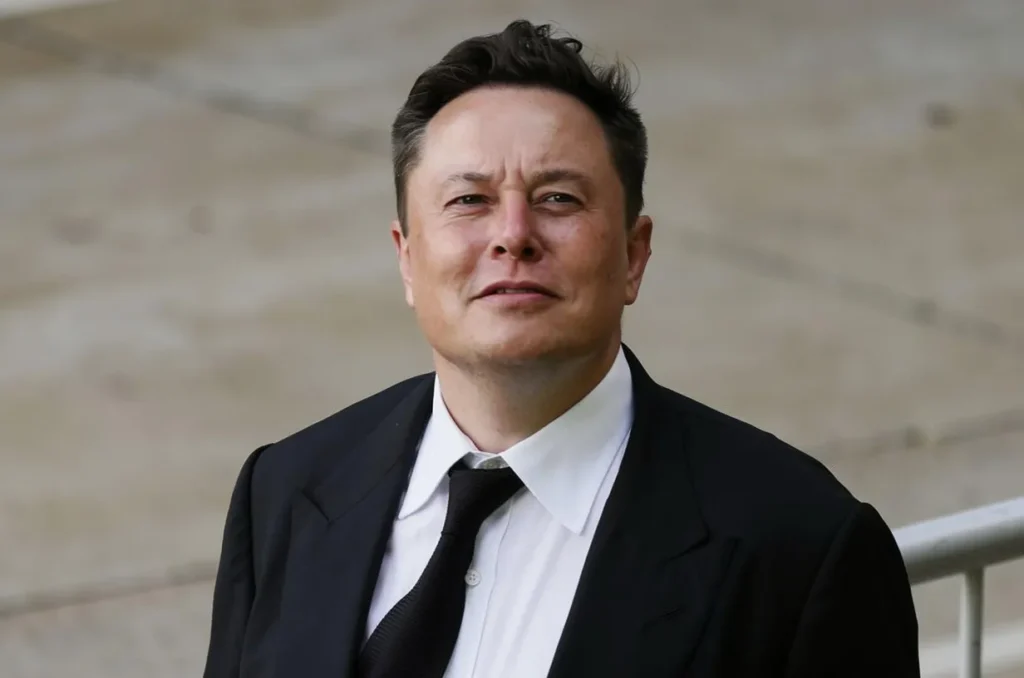
Musk is proposing a compromise. Rather than broadly restricting development, he wants the leading AI labs to test each other’s models before they reach the public.
Competitors could become part of the safety process
Speaking at the All-In Summit, Musk suggested that xAI, OpenAI, Anthropic, Google, Meta and several leading Chinese AI companies allow rivals to run standardized safety tests against their models.
His analogy was simple. Instead of AI companies grading their own homework, competitors would have an opportunity to find weaknesses that the developer may have missed.
Anthropic has proposed something similar through independent evaluators embedded within AI companies. The exact structure may differ, but both ideas point toward more external scrutiny before increasingly powerful models are released.
A system like that would allow development to continue while adding another layer of testing around it. That distinction could become important for Nvidia (NASDAQ: NVDA), Alphabet (NASDAQ: GOOGL), Meta (NASDAQ: META) and the broader data-center industry, where spending forecasts still assume AI capabilities continue advancing quickly.
Getting rival labs to cooperate will not be easy
None of xAI’s major competitors has agreed to Musk’s proposal, and there are obvious reasons for hesitation. Frontier models contain some of the most valuable intellectual property in technology, making companies unlikely to give direct competitors unrestricted access.
Bringing Chinese developers into the process would be even more complicated. AI is increasingly tied to national security and technological competition between Washington and Beijing. The U.S. Administration has already pushed back against slowing domestic development partly because of concerns that China could gain ground, while China’s Foreign Ministry has dismissed recent safety warnings as fearmongering.
Independent testing organizations may therefore be more realistic than direct peer review between competing labs. Either approach would still represent a major change from an industry where developers have largely controlled how their own models are evaluated.
AI safety is becoming part of the infrastructure
The commercial opportunity around AI is beginning to spread beyond raw computing power. More capable models require stronger cybersecurity, red-team testing, access controls, data protection and continuous monitoring, particularly as businesses give AI systems greater access to internal information and software.
Those services do not require the AI boom to slow. They may become more valuable precisely because the technology keeps advancing.
Cloud computing followed a similar path. Companies first raced to move workloads online, then security, identity management and compliance became permanent layers of the cloud market. AI could develop its own version of that ecosystem as testing standards become more formal.
Musk’s peer-review proposal may never be adopted exactly as described, but the industry is clearly moving toward greater outside verification. The race to build the strongest model is continuing. Proving that those models can be deployed safely is becoming part of the competition too.
Disclaimer
Wall Street Access is an independent financial publisher. Wall Street Access is not a financial advisor. No company mentioned has compensated Wall Street Access for the preparation, publication or distribution of this article. This content is provided for informational and educational purposes only and is not investment advice or a recommendation to buy, sell or hold any security. Investing involves risk, including the possible loss of principal.
Prices, market capitalizations, financial figures and other market data are based on information available as of the date and time of publication and may change without notice. Information is drawn from public sources believed to be reliable but is not guaranteed to be complete or accurate. Opinions and expectations expressed are our own and may change as new information becomes available.
Readers should conduct their own due diligence and contact a licensed financial professional before making any investment decision. Past performance does not guarantee future results. Any material ownership interest or conflict of interest, where applicable, will be disclosed separately.