
The cost of a security gap can reach billions
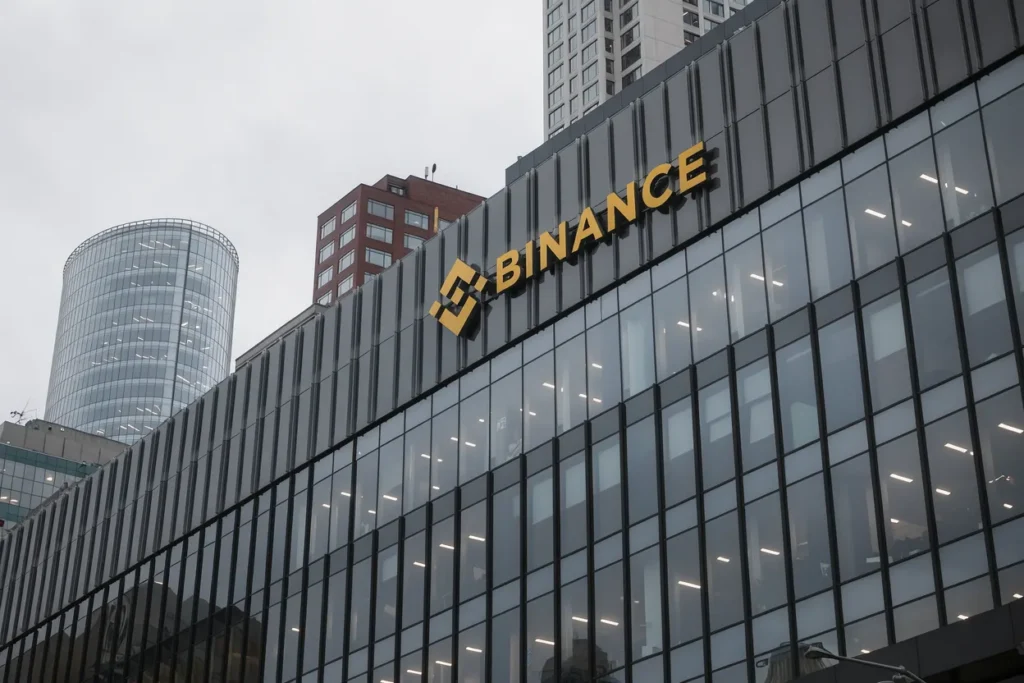
Binance’s reported $6.3 billion hack makes a forceful case for cybersecurity spending. A breach at the world’s largest cryptocurrency exchange has interrupted customer access, triggered an international recovery effort and left the company promising to absorb the losses.
Binance says it will cover hacked losses through company funds. Deposits and withdrawals have been temporarily suspended, while approximately $3 billion in assets has reportedly been frozen.
The financial damage remains unsettled. Frozen assets have not necessarily been recovered, and the amount Binance ultimately absorbs will depend partly on what investigators can retrieve.
But the security failure has already imposed costs beyond the stolen funds. Restoring systems, investigating compromised infrastructure and rebuilding customer confidence all demand resources. Cybersecurity protects a company’s ability to keep operating, as well as the information and assets inside its systems.
The sell-off also spread across crypto-linked stocks. Circle (CRCL), Coinbase (COIN), Robinhood (HOOD) and Strategy (MSTR) were down between 8% and 14% in Friday morning trading. Bitcoin fell approximately 5% to $76,600, while ether dropped around 4% to $2,200, showing how quickly a security breach at one exchange can shake confidence across the digital-asset market.
Protecting the device is only one part of the problem
Preliminary findings suggest the attack may have begun with a compromised engineer’s laptop. Investigators also describe breaches of Binance’s wallet-signing infrastructure, which authorizes cryptocurrency transfers.
The precise sequence remains under investigation. Still, the reported path exposes a critical question: how far can an attacker travel after gaining an initial foothold?
Endpoint protection, identity verification, privileged-access restrictions and transaction approval controls address different stages of that problem. A compromised device becomes far more dangerous when the attacker can reach systems capable of moving substantial assets.
TRM Labs attributes the theft with high confidence to North Korea-linked TraderTraitor. Binance has described a complex attack involving mechanisms designed to destroy evidence.
Sophisticated attackers make several layers of protection essential. The investment question is which providers can help customers detect an intrusion, restrict its reach and prevent a compromised account from becoming a catastrophic loss.
Subscribe to See the Top 3 Cybersecurity Stocks We’re Watching
The opportunity depends on closing identifiable gaps
The Binance incident strengthens the case for examining companies that protect employee devices, manage access to sensitive systems and detect suspicious activity across an organization.
Its implications also extend beyond cryptocurrency. Businesses depend on employees, software and outside providers accessing valuable systems. Controlling those connections is a recurring security requirement.
However, a major breach does not automatically translate into higher profits for every cybersecurity vendor. Customers must choose products, commit budgets and renew contracts. Providers must demonstrate that their technology addresses the weaknesses customers actually face.
That is the distinction behind the cybersecurity stocks we’re watching. Recurring revenue growth, customer retention, cash generation and valuation deserve as much attention as the threat itself.
Binance’s eventual investigation should reveal more about where its defenses failed. For cybersecurity investors, the strongest evidence will come from providers showing that customers are paying to close those specific gaps and continuing to use their protection afterward.
Explore More Stories in Currencies
Disclaimer
Wall Street Access is an independent financial publisher. Wall Street Access is not a financial advisor. No company mentioned has compensated Wall Street Access for the preparation, publication or distribution of this article. This content is provided for informational and educational purposes only and is not investment advice or a recommendation to buy, sell or hold any security. Investing involves risk, including the possible loss of principal.
Prices, market capitalizations, financial figures and other market data are based on information available as of the date and time of publication and may change without notice. Information is drawn from public sources believed to be reliable but is not guaranteed to be complete or accurate. Opinions and expectations expressed are our own and may change as new information becomes available.
Readers should conduct their own due diligence and contact a licensed financial professional before making any investment decision. Past performance does not guarantee future results. Any material ownership interest or conflict of interest, where applicable, will be disclosed separately.