Traders are removing part of the escalation premium
Oil prices plunged Monday as Washington and Tehran signaled room for negotiations, unwinding some of the premium investors had paid for protection against another military escalation.
Brent and West Texas Intermediate fell more than 7% during trading, with the U.S. benchmark dropping below $100 a barrel. The retreat followed a strong October rally fueled partly by concern that hostilities could intensify after Tuesday’s U.S. midterm elections.
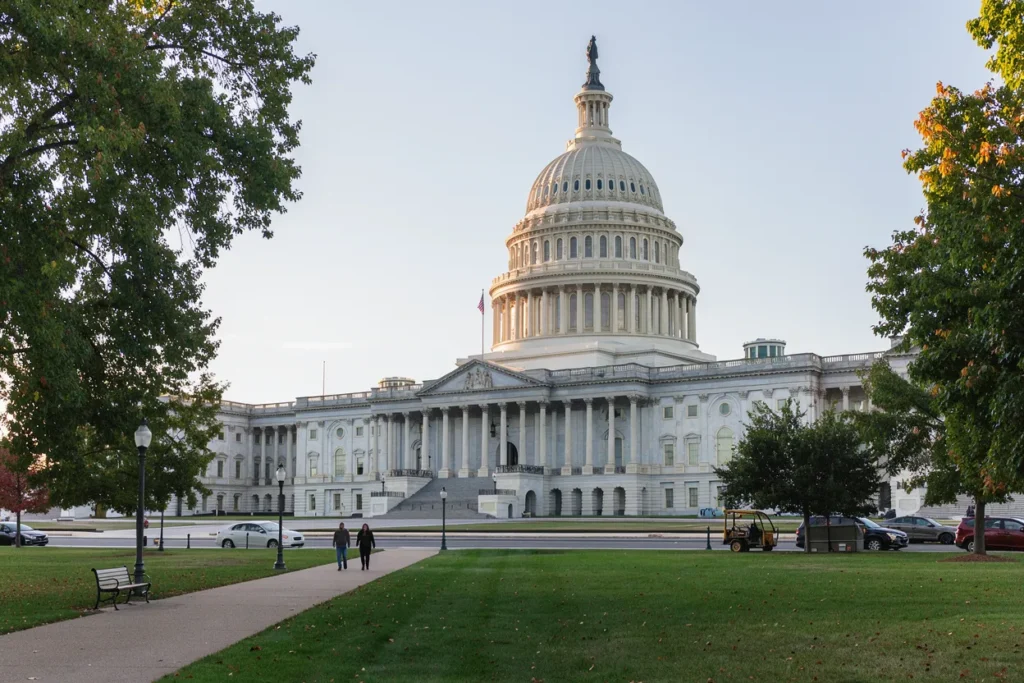
Secretary of State Marco Rubio said the U.S. president had made no decision on further military action and preferred a diplomatic resolution. Iranian President Masoud Pezeshkian also indicated that Tehran would pursue dialogue, while Qatari mediators continued working toward an agreement.
A lower probability of disruption can move futures immediately. Traders can reduce the price they assign to escalation long before damaged infrastructure is repaired or shipping conditions normalize. Monday’s sell-off shows how quickly expectations can change when prices carry a substantial geopolitical premium.
The crude recovery has not repaired the fuel market
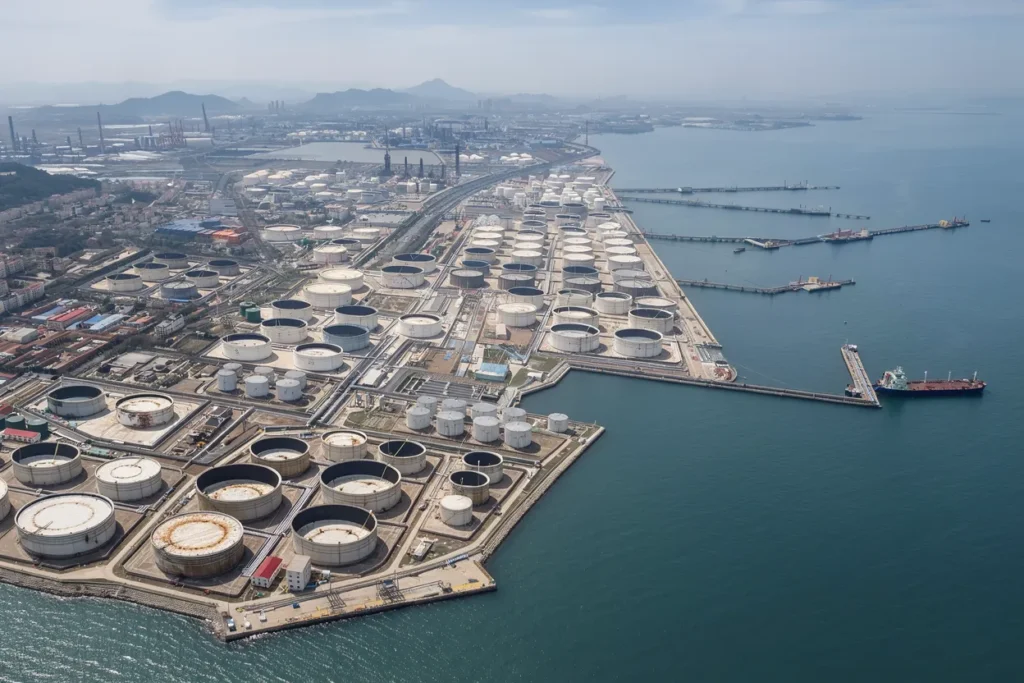
The physical supply picture remains uneven. Persian Gulf crude exports have approached prewar levels, while shipments of refined petroleum products remain constrained. Attacks affecting Middle Eastern infrastructure and Russian refineries have kept pressure on diesel supplies.
That distinction matters to households and businesses. Trucks consume diesel, aircraft burn jet fuel and motorists buy gasoline. Their costs depend on the availability of those products, alongside the price of the crude used to manufacture them.
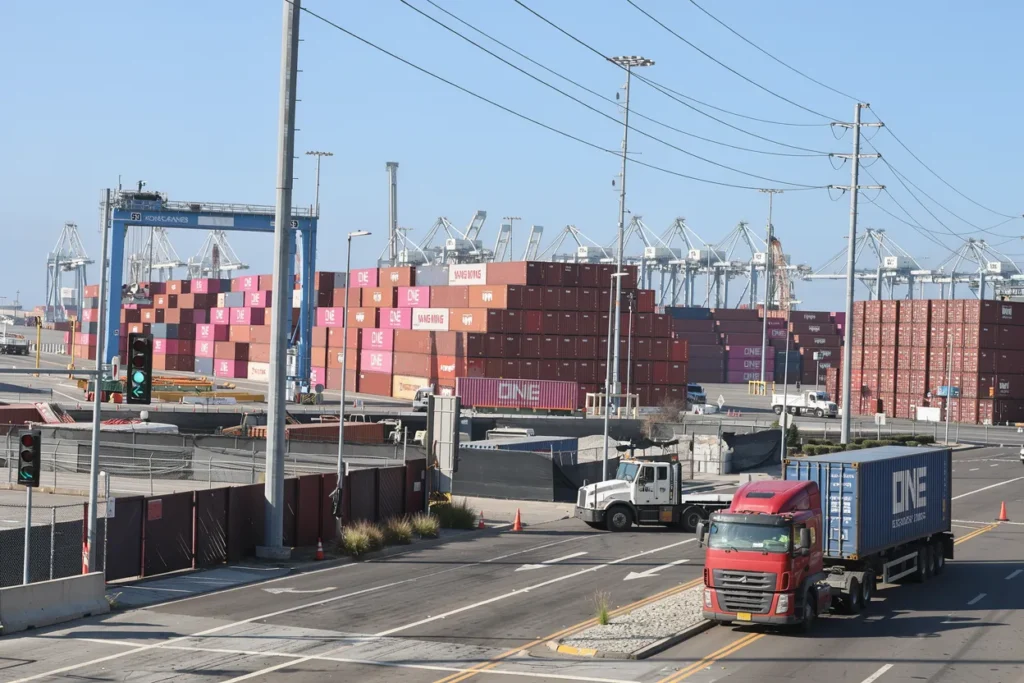
Cheaper feedstock cannot immediately replace unavailable refining capacity or guarantee safe tanker passage. Reports of attacks on vessels around the Strait of Hormuz continued over the weekend, underscoring the distance between diplomatic progress and dependable deliveries.
Meanwhile, seven OPEC+ producers kept December production targets unchanged. Their decision supplied no new increase in permitted output to explain Monday’s plunge, reinforcing the importance of changing diplomatic expectations.
Get Our Next Energy Market Breakdown in Your Inbox
Energy stocks and fuel users face different tests
A sustained decline in crude would put pressure on producers’ realized selling prices. Airlines, transportation companies and other fuel-intensive businesses could benefit, although the improvement depends on the prices they actually pay and their purchasing arrangements.
For integrated companies such as ExxonMobil and Chevron, refining adds another variable. Refinery profitability depends partly on the difference between crude costs and finished-product prices. Falling crude could coexist with strong refining margins if diesel remains scarce.
The same distinction complicates the inflation outlook. Lower oil prices offer potential relief, but one trading session cannot establish how quickly cheaper energy will reach household bills and freight costs.
Monday’s move gives markets breathing room before the election. A lasting improvement requires evidence from the physical market: safer tanker passage, recovering fuel shipments and inventories rebuilding. The next confirmation needs to come from diesel reaching buyers more reliably and at lower prices.
Explore More Stories in Commodities
Disclaimer
Wall Street Access is an independent financial publisher. Wall Street Access is not a financial advisor. No company mentioned has compensated Wall Street Access for the preparation, publication or distribution of this article. This content is provided for informational and educational purposes only and is not investment advice or a recommendation to buy, sell or hold any security. Investing involves risk, including the possible loss of principal.
Prices, market capitalizations, financial figures and other market data are based on information available as of the date and time of publication and may change without notice. Information is drawn from public sources believed to be reliable but is not guaranteed to be complete or accurate. Opinions and expectations expressed are our own and may change as new information becomes available.
Readers should conduct their own due diligence and contact a licensed financial professional before making any investment decision. Past performance does not guarantee future results. Any material ownership interest or conflict of interest, where applicable, will be disclosed separately.