The oil market just lost part of its escape route
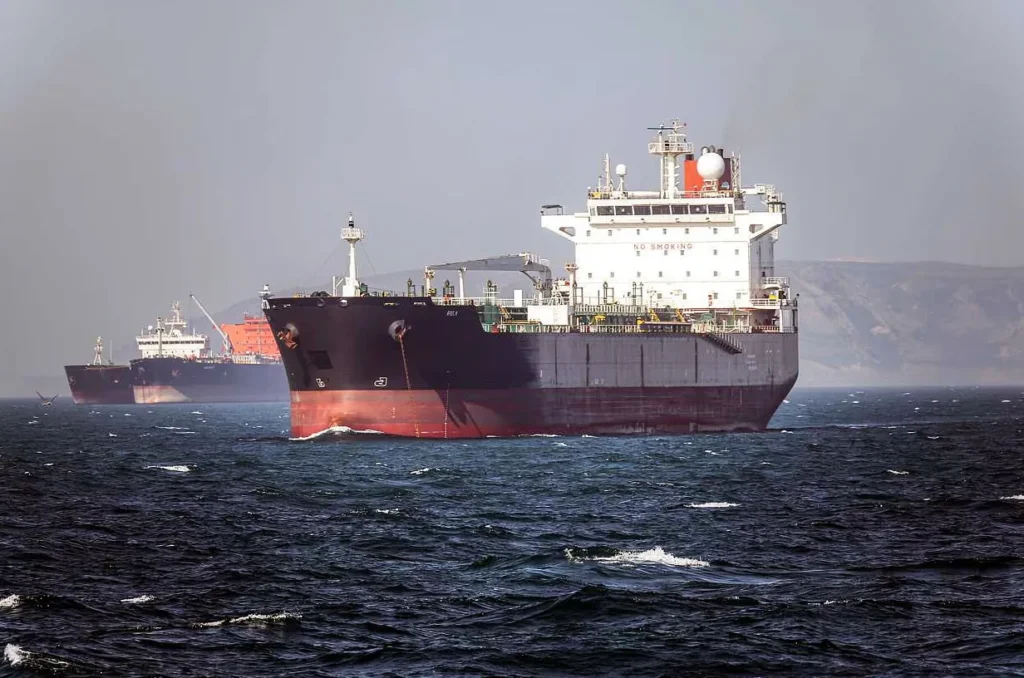
For months, the Strait of Hormuz has dominated the oil story. The assumption was that even with traffic constrained through the Persian Gulf, producers could adapt, reroute barrels and prevent a full-blown supply shock.
Saudi Arabia’s East-West pipeline was a critical part of that workaround.
The roughly 7-million-barrel-per-day system carries crude across Saudi Arabia to Yanbu on the Red Sea, allowing exports to bypass Hormuz entirely. It helped Persian Gulf oil flows recover to roughly 70% of prewar levels.
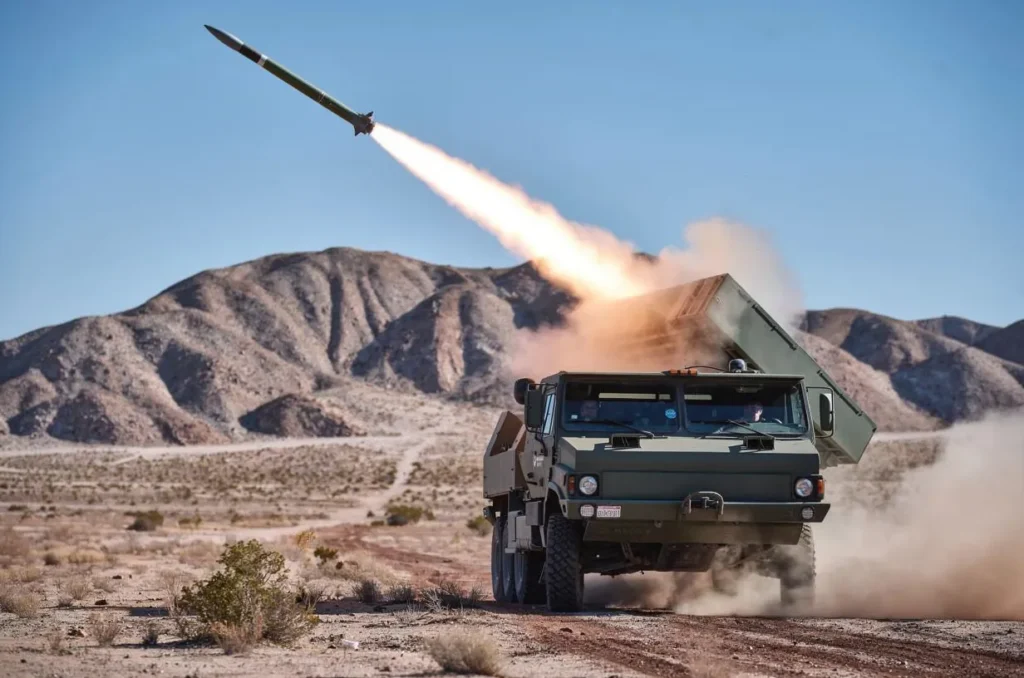
Now that route has been hit too.
Attacks forced Saudi authorities to shut the pipeline over the weekend, sending Brent back above $108 and WTI above $104. Saudi Arabia has also reportedly warned some European customers that September cargoes will be canceled.
The oil market is no longer dealing with one chokepoint. The routes designed to bypass the original disruption are becoming vulnerable themselves.
The physical market is flashing a much stronger warning than futures
The most striking number isn’t $108 Brent.
Physical crude prices are already substantially higher.
Dated Brent traded above $130 per barrel Tuesday, while Dubai and Oman grades were around $128. That gap tells us buyers needing actual barrels now are paying considerably more than benchmark futures suggest.
Several pressure points are hitting at once. Hormuz remains disrupted. Saudi Arabia’s Red Sea route has been damaged. Houthi forces are threatening traffic through the Bab el-Mandeb Strait. Libya suspended production at two fields. Ukrainian attacks on Russian refining infrastructure have already helped force Moscow into a fuel export ban.
Any one disruption might be manageable.
Together, they reduce the market’s ability to compensate when another source of supply disappears.
This changes the oil setup we’ve been watching
Earlier in the conflict, we were cautious about chasing crude solely because Hormuz traffic had fallen. Producers and specialized shippers were finding ways to get oil out, including dark tanker movements and ship-to-ship transfers.
That adaptation helped crude retreat sharply from its earlier highs.
The latest Saudi disruption weakens that argument.
If Hormuz is difficult to navigate and the East-West pipeline cannot reliably move barrels toward the Red Sea, Saudi Arabia suddenly has fewer options for getting crude onto the global market. Any sustained threat to Bab el-Mandeb tightens the bottleneck further.
The bull case therefore becomes less dependent on geopolitical fear and more connected to something tangible: barrels that buyers are struggling to access.
That is a much stronger foundation for elevated prices.
Oil is becoming the Fed’s problem again
The timing could hardly be worse for monetary policy.
U.S. diesel has already moved above $6 per gallon, while elevated gasoline and energy costs are feeding into broader inflation. The Federal Reserve is expected to announce its next rate decision Wednesday, with markets already heavily positioned for another hike.
Oil above $100 creates an ugly combination. Higher energy costs squeeze consumers and businesses, slowing growth, but they also keep inflation elevated and make it harder for the Fed to ease policy.
If crude remains near current levels, transportation costs eventually work their way through manufacturing, food, logistics and consumer prices.
That means the oil shock doesn’t stay inside the energy sector.
It reaches bond yields, interest-rate expectations and equity valuations too.
We are watching the physical barrels now
The next move in crude probably depends less on another political statement and more on whether the damaged export network can recover.
Our attention is on Saudi Arabia’s East-West pipeline, loadings at Yanbu, traffic through Bab el-Mandeb and whether physical crude premiums begin easing. A quick restart could remove some pressure. Continued outages, canceled cargoes or another attack on export infrastructure could push the physical squeeze considerably further.
For energy companies, the environment is becoming more supportive for producers with barrels outside the most disrupted regions. Refining and product markets also deserve attention as Russian fuel restrictions and record diesel prices create a separate layer of scarcity.
Oil crossed $100 before on fear.
This time, the more important signal is that actual barrels are becoming harder to move.
And as long as the disruption keeps spreading from one export route to the next, $100 crude may prove much harder to shake.
Explore More Stories in Commodities
Disclaimer
Wall Street Access is an independent financial publisher. Wall Street Access is not a financial advisor. No company mentioned has compensated Wall Street Access for the preparation, publication or distribution of this article. This content is provided for informational and educational purposes only and is not investment advice or a recommendation to buy, sell or hold any security. Investing involves risk, including the possible loss of principal.
Prices, market capitalizations, financial figures and other market data are based on information available as of the date and time of publication and may change without notice. Information is drawn from public sources believed to be reliable but is not guaranteed to be complete or accurate. Opinions and expectations expressed are our own and may change as new information becomes available.
Readers should conduct their own due diligence and contact a licensed financial professional before making any investment decision. Past performance does not guarantee future results. Any material ownership interest or conflict of interest, where applicable, will be disclosed separately.