Jensen Huang is moving the AI boom into finance
Nvidia CEO Jensen Huang has spent years selling the world on AI chips. Now he is trying to sell Wall Street on financing the factories that use them.
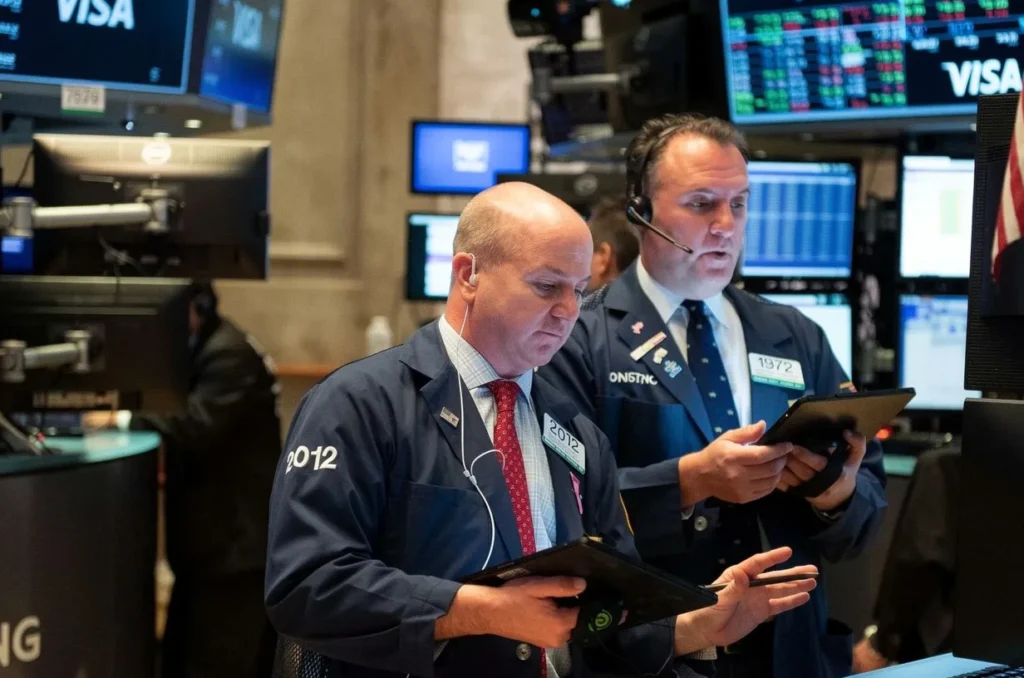
In a CNBC interview Monday, Huang appeared alongside leaders from Goldman Sachs, BlackRock, Blackstone, KKR, Apollo and Brookfield to outline what he called a “big concept” for the next phase of AI infrastructure.
The group says it could help mobilize $500 billion, and potentially more, to fund new AI factories as chipmakers, cloud providers and AI companies race to secure compute capacity.
The message was simple: the next wave of AI spending may not come only from Big Tech balance sheets. It may come from Wall Street.
AI infrastructure is being pitched as an asset class
The first stage of the AI buildout was funded largely by the biggest technology companies.
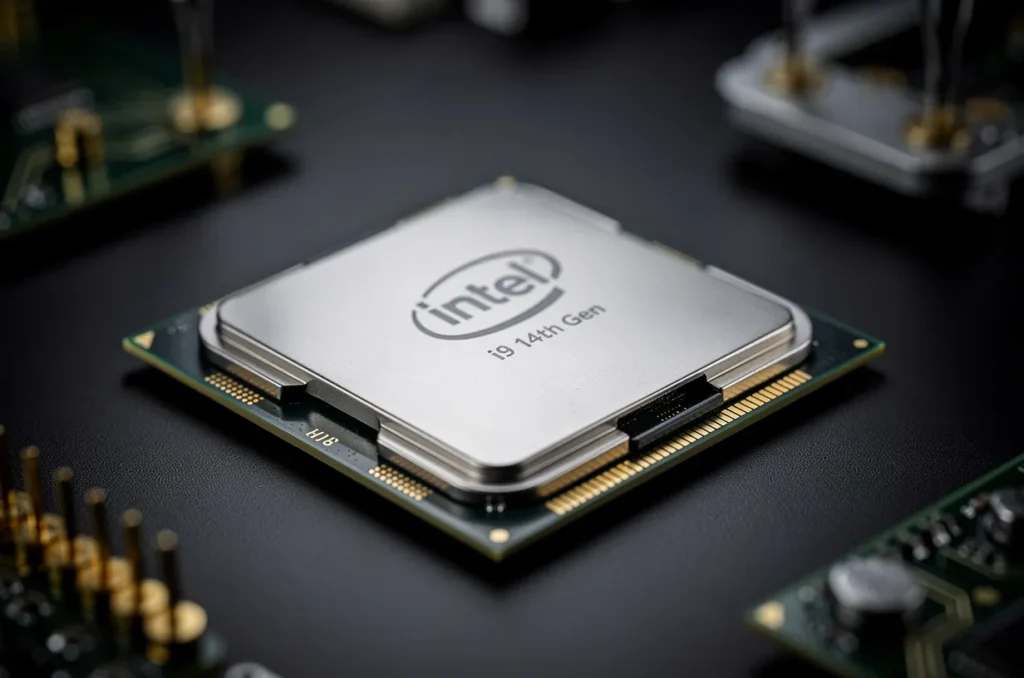
Microsoft, Amazon, Alphabet, Meta, Oracle and others have raised debt, issued equity and spent record amounts on data centers, GPUs and model development. Intel just announced a $15 billion stock offering, later upsized to $20 billion, to support AI demand and manufacturing investment.
Huang’s pitch is different.
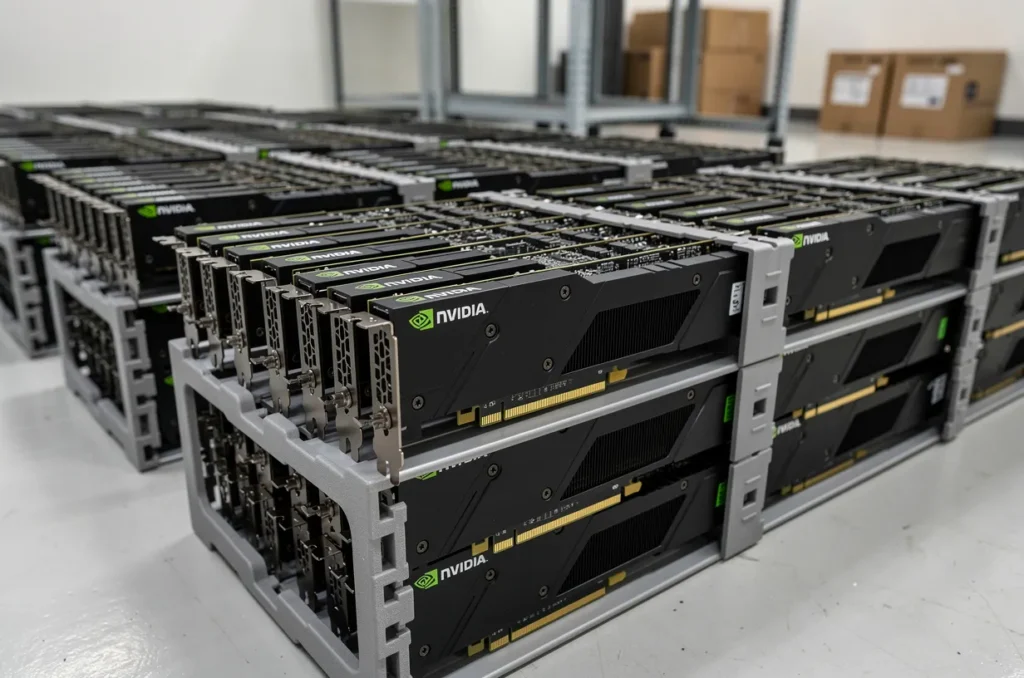
He says AI systems should be treated less like computers and more like long-lived, revenue-producing infrastructure.
“These are revenue-generating assets now,” Huang told CNBC. “They’re productive, they’re long-lived, they’re fungible, they’re flexible.”
Goldman Sachs CEO David Solomon described it as asset-based financing against real infrastructure. KKR’s Waldemar Szlezak went further, saying AI compute can be viewed as a revenue stream that can be securitized or divided among investors.
The plan is big, but still light on contracts
The announcement sounded large, but the details are still early.
The firms signed memorandums of understanding, not final contracts. There were no clear terms on borrowers, rates, locations, timelines or completed facilities.
That distinction is important.
Nvidia announced a separate plan almost 11 months ago to invest up to $100 billion in OpenAI as part of a 10-gigawatt data center buildout. That investment did not materialize in that form, though Nvidia later contributed $30 billion to OpenAI’s record funding round earlier this year.
Monday’s announcement was more about structure than execution. Nvidia and its Wall Street partners are saying the capital is available if the financing model works.
Nvidia may backstop part of the loans
Nvidia said it would connect customers with financing partners and have the option to backstop 25% of every loan.
That could help borrowers receive better financing terms than they would get using only their own credit profile.
Borrowers would also need to use Nvidia-specified system architectures. Huang said that design would allow another company to take over and operate the systems if something happened to the original borrower.
For lenders, that creates a cleaner collateral story. For Nvidia, it keeps the AI infrastructure stack tied closely to its hardware and software ecosystem.
Wall Street sees a securitization opportunity
The most important word in the discussion may have been securitize.
If AI compute contracts can be turned into predictable revenue streams, Wall Street can package and sell exposure to institutional investors. That opens the door for pension funds, insurers, private credit firms and asset managers to participate in the AI buildout without buying Nvidia shares directly.
BlackRock CEO Larry Fink compared the moment to the early days of the mortgage-backed securities market in the 1970s, calling it a future for financial engineering.
The comparison will get attention. Mortgage securitization helped build a massive funding market, but a later version of that machine helped fuel the 2007-2009 financial crisis when subprime mortgage risk was mispriced across the system.
AI compute is not housing. The collateral, customers and demand drivers are different. But the risk is still familiar: too much confidence, too much leverage and assets priced on demand forecasts that may not hold.
Depreciation is the obvious pressure point
Michael Burry has already attacked part of the AI infrastructure math.
He has argued that companies including Meta, Oracle, Microsoft, Google and Amazon may be overstating the useful life of AI chips and understating depreciation.
That question sits directly inside Huang’s financing model.
If GPU systems stay valuable for years, AI factories can look like infrastructure. If chips become obsolete faster than expected, or customers stop paying premium rates for older compute, the asset value changes quickly.
Apollo President Jim Zelter acknowledged that there will be “excesses” and “pullbacks.” Solomon said some companies will win, while others will turn out differently than expected.
Nvidia is trying to make money the easy part
McKinsey expects global AI infrastructure spending to reach $7 trillion by the end of the decade.
Huang’s goal is to make sure financing does not become the bottleneck.
Brookfield CEO Bruce Flatt said Huang is creating the structures investors need, adding that there are “hundreds of trillions of dollars” of capital in the world.
That is the real shift from Monday’s announcement. Nvidia is no longer only selling chips into the AI boom. It is helping design the financing layer around the boom.
If the model works, AI factories become the next major asset class. If it does not, Wall Street will have built another complex structure on top of an expensive growth story that still needs years of demand to prove itself.
Disclaimer
WallStAccess is a financial media platform providing market commentary and analysis for informational and educational purposes only. This content does not constitute investment advice, a recommendation, or an offer to buy or sell any securities. Readers should conduct their own research or consult a licensed financial professional before making investment decisions.