Markets lose momentum as Iran talks stall
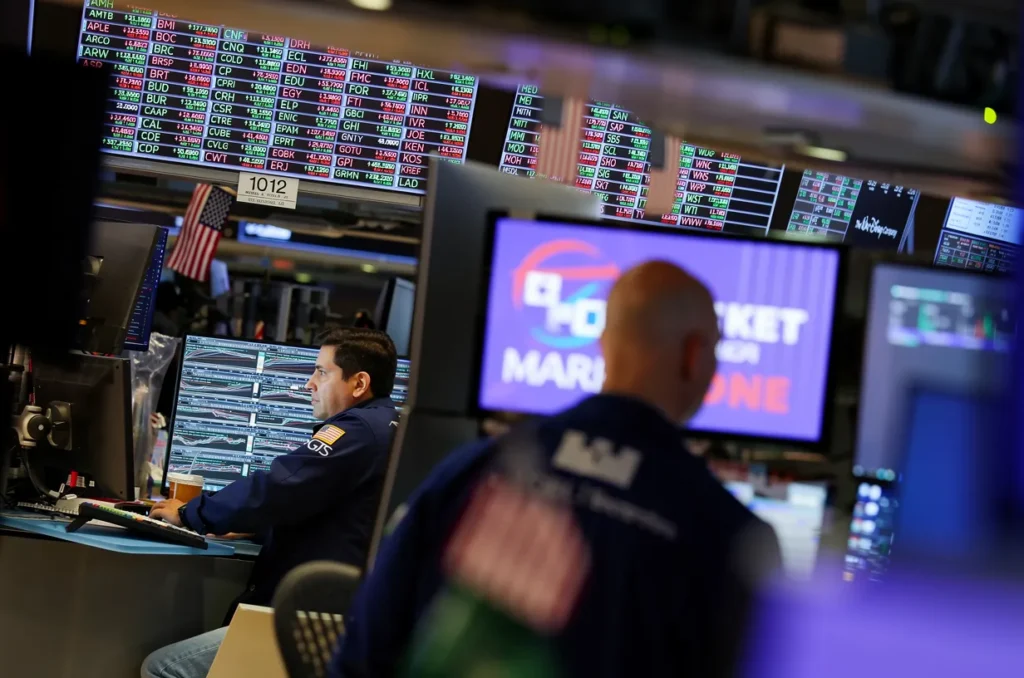
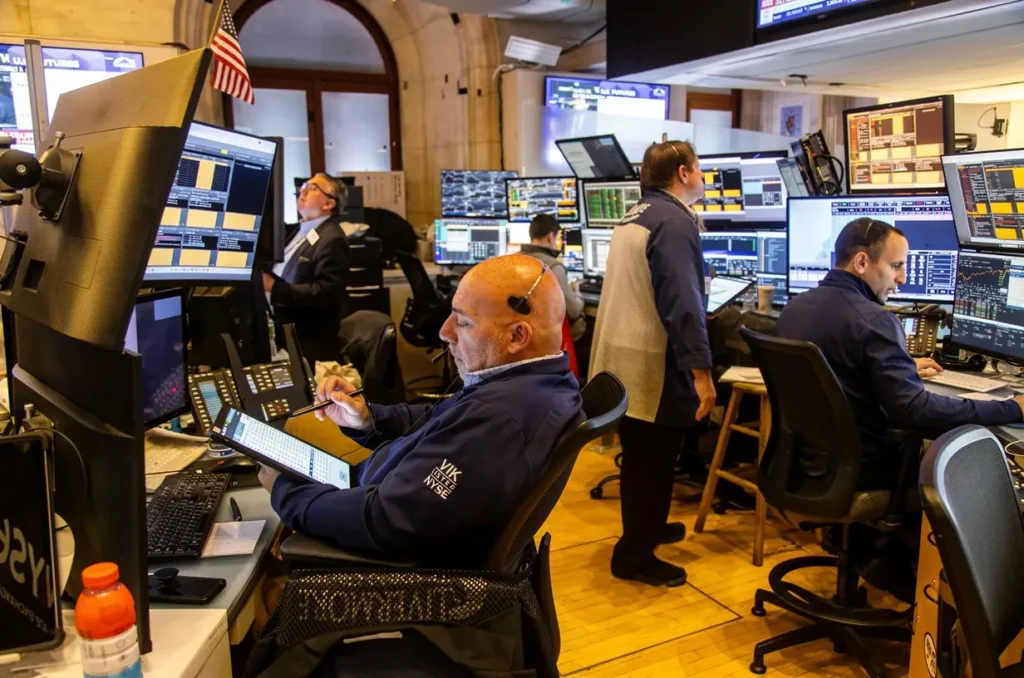
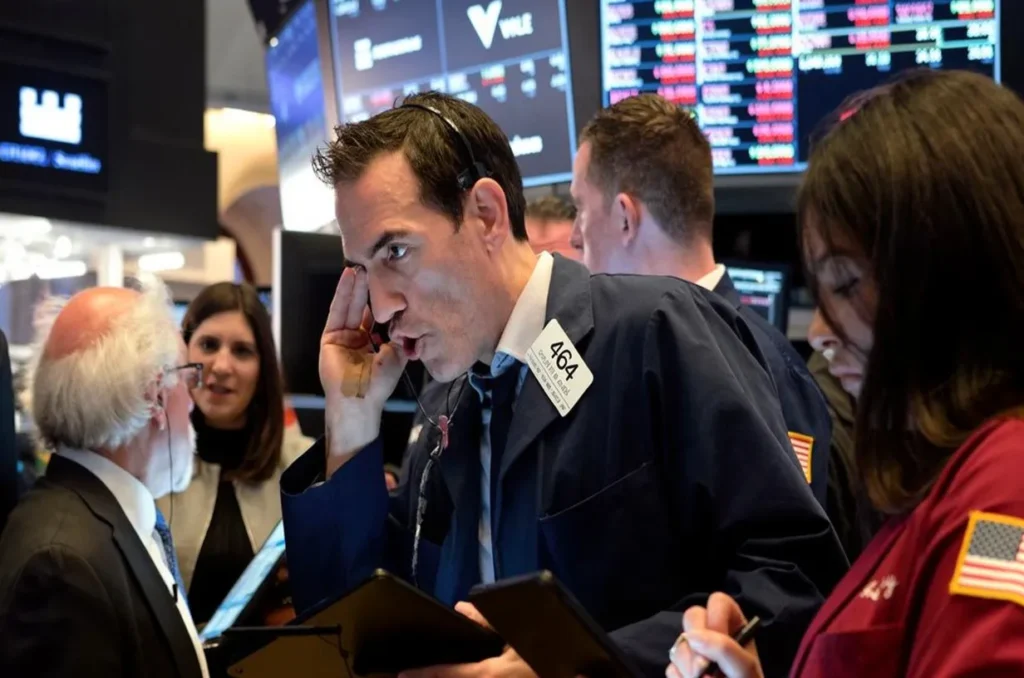
US stocks slipped Tuesday as the standoff between Washington and Tehran hardened and hopes faded for a near-term diplomatic breakthrough.
The Dow Jones Industrial Average and S&P 500 moved below the flat line, while the Nasdaq Composite fell about 0.3% following Monday’s decline.
The latest pressure came after both sides publicly pushed back on the terms of a possible agreement.
The US president rejected Iran’s demand for reparations over the weekend and told Axios that Washington was only “semi-negotiating” with Tehran. Iranian Foreign Minister Abbas Araghchi said there was “no possibility of restarting negotiations” under current conditions.
Pakistan Defense Minister Khawaja Asif, however, said the two sides were “close to some sort of arrangement,” leaving markets with conflicting signals heading into the rest of the week.
CPI is now the main event
Wednesday’s Consumer Price Index report is the biggest economic release on the calendar after Friday’s weak employment report.
The US economy lost 23,000 jobs in July, far below expectations for an 80,000 gain. May and June payrolls were also revised lower by a combined 103,000 jobs.
That report strengthened the case for the Federal Reserve to remain patient, but inflation remains the larger policy question.
Cleveland Fed President Beth Hammack said Monday that more than one rate increase may be necessary to bring inflation back under control.
A softer CPI print would strengthen the case for holding rates steady. A hotter reading could quickly revive expectations for another hike in September.
The Fed is caught between jobs and inflation
The latest jobs report gives the Fed more reason to watch labour-market weakness closely.
At the same time, policymakers have repeatedly said they need clearer evidence that inflation is moving sustainably back toward the 2% target.
That tension is making the September meeting harder to call.
Weak employment argues for patience. Persistent inflation argues for tighter policy.
Wednesday’s CPI number could shift that balance quickly.
AI financing is becoming another market pressure point
Investors are also watching the amount of capital flowing into the AI buildout.
Intel recently announced a major stock offering to fund expansion, while Nvidia is working with Goldman Sachs, BlackRock, KKR and other financial firms on plans to mobilize hundreds of billions of dollars for AI infrastructure.
The AI trade is increasingly moving beyond earnings growth and into financing.
Data centers, GPUs, power infrastructure and advanced semiconductor capacity require enormous amounts of capital. Investors are now paying closer attention to how companies fund that expansion and how quickly those investments begin generating returns.
CoreWeave and Super Micro are next up
Two AI infrastructure companies report after the bell Tuesday.
CoreWeave will give investors another read on cloud demand, data-center utilization and the cost of expanding GPU capacity.
Super Micro Computer will provide a look at demand for AI servers and hardware systems.
Both companies sit directly inside the AI infrastructure spending cycle, making their reports useful indicators for whether demand remains strong enough to support the sector’s rapid expansion.
US inflation could move the yen again
Wednesday’s CPI report could also have a major impact on currency markets.
Japan and the US recently coordinated intervention to strengthen the yen after the currency fell sharply against the dollar.
Rabobank strategist Jane Foley said softer US inflation could reduce expectations for Fed tightening, pull Treasury yields lower and weaken the dollar.
That would relieve pressure on the yen and reduce the risk of another move toward USD/JPY 160.
A stronger-than-expected CPI report could send the dollar higher again and create another problem for Japanese authorities.
Bank of America pushes back on an AI jobs collapse
Bank of America also challenged one of the bigger fears surrounding artificial intelligence: widespread job destruction.
Economists led by Stephen Juneau said labour-market data shows little evidence that AI is causing a broad employment collapse.
Across 206 industries, BofA found little relationship between AI exposure and overall job growth. Employment in sectors with higher AI exposure has remained relatively flat, while lower-exposure industries have grown about 2%.
The clearest weakness has appeared among younger workers.
New York Fed data shows higher unemployment among workers aged 22 to 27, including both college graduates and those without degrees. BofA said AI may be contributing to weaker entry-level hiring, but broader employment data still shows little sign of an AI-driven “job apocalypse.”
Stocks are waiting for the next catalyst
The market is entering Wednesday with several major questions still open.
US-Iran negotiations remain unsettled. The Fed is balancing weaker employment against stubborn inflation. AI companies continue raising and spending enormous amounts of capital.
The next major answer comes with CPI. That report could reset expectations for interest rates and determine whether this week’s weakness remains a pause or develops into a broader pullback.
Explore More Stories in Markets
Disclaimer
WallStAccess is a financial media platform providing market commentary and analysis for informational and educational purposes only. This content does not constitute investment advice, a recommendation, or an offer to buy or sell any securities. Readers should conduct their own research or consult a licensed financial professional before making investment decisions.