Iran puts conditions on reopening Hormuz
Oil prices moved higher Tuesday after a senior Iranian security official said the Strait of Hormuz will not fully reopen until Washington meets Tehran’s conditions.
West Texas Intermediate crude rose 1.4% to $83.25 per barrel, while Brent crude gained 1.2% to $88.75.
Mohsen Rezaei, secretary of Iran’s Supreme National Security Council, demanded that the US unfreeze Iranian funds held overseas as part of any agreement to restore traffic through Hormuz, according to Reuters.
The demand adds another obstacle to negotiations over one of the world’s most important energy routes.
Washington and Tehran are still far apart
The US president has hardened his rhetoric in recent days, demanding reparations from Iran.
Tehran is now attaching its own financial conditions to any reopening of Hormuz.
At the same time, Pakistan Defense Minister Khawaja Asif offered a more optimistic assessment Tuesday, telling Bloomberg that “things are shaping up again in favor of a peace arrangement or a deal.”
Pakistan helped mediate the interim US-Iran agreement reached in June before talks broke down and fighting resumed.
Treasury Secretary Scott Bessent said last week that a Hormuz agreement could come soon, but no deal has been announced.
Ship traffic remains severely restricted
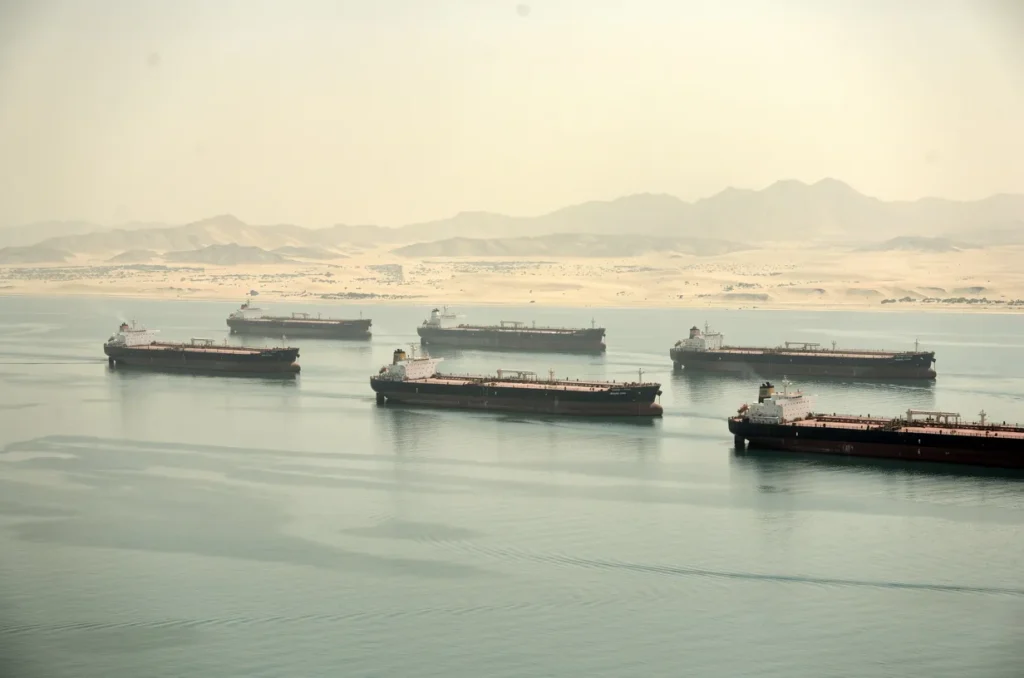
Only eight vessels crossed the Strait of Hormuz on Monday, according to Kpler.
More than 130 ships were crossing the strait before the US and Israel attacked Iran on February 28.
The difference shows how far maritime traffic remains from normal despite ongoing negotiations.
Energy Secretary Chris Wright said oil exports through Hormuz have reached a seven-day moving average of about 9 million barrels per day, supported by the US military.
Total oil flows from the Gulf region are averaging roughly 15 million barrels per day when pipeline exports are included.
The US is adjusting domestic shipping rules
The US president also extended a suspension of the Jones Act on Monday, while narrowing the waiver to vessels transporting certain energy resources.
The law normally restricts the movement of goods between US ports to American-built, American-owned and American-crewed vessels.
The temporary waiver gives the energy market more flexibility while international shipping routes remain disrupted.
US emergency oil stocks are already much lower
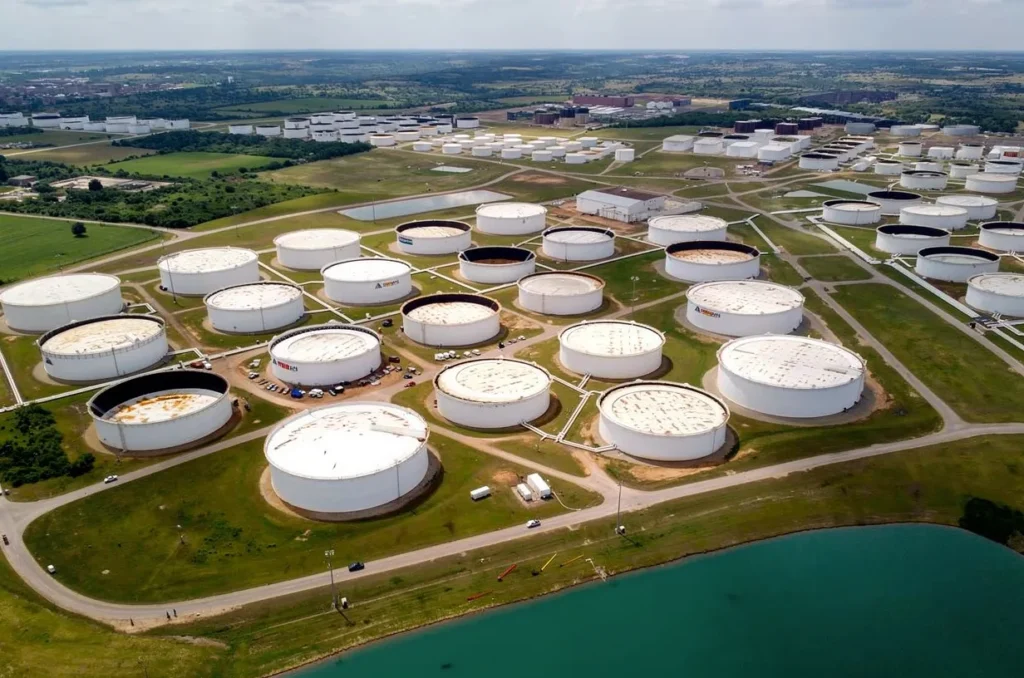
The latest negotiations come as the US Strategic Petroleum Reserve has fallen below 300 million barrels for the first time since 1983.
Government crude inventories dropped to 298.7 million barrels last week after months of releases tied to the Iran conflict.
That leaves Washington with less emergency inventory than it had before the war, adding more pressure to restore normal oil flows through Hormuz.
Hormuz remains the market’s main pressure point
Oil prices continue to move on every change in the negotiations.
Iran wants frozen funds released. Washington is demanding compensation. Pakistan says a deal may still be possible.
Until those positions move closer together, traffic through Hormuz is likely to remain restricted and the market will keep pricing around each diplomatic headline.
Explore More Stories in Commodities
Disclaimer
WallStAccess is a financial media platform providing market commentary and analysis for informational and educational purposes only. This content does not constitute investment advice, a recommendation, or an offer to buy or sell any securities. Readers should conduct their own research or consult a licensed financial professional before making investment decisions.