Copper is knocking on the door of a record
Copper finished Friday around $14,405 per metric ton, just below its all-time high of $14,527.50.
The metal has now risen every week since late June, putting it on track for an extraordinary 10-week winning streak.
Normally, a move like this would scream global shortage.
The reality is more interesting.
There is still copper in the world. A huge amount of it has simply been pulled toward the United States while inventories elsewhere are getting dangerously thin.
Shanghai warehouse stocks just fell another 13% to 63,000 tons, their lowest level since January 2024. LME inventories are also being drawn down, while more metal continues moving into U.S. warehouses ahead of possible import tariffs.
Copper hasn’t disappeared.
It is increasingly sitting in the wrong place.
The U.S. has distorted the global copper map
Traders have spent months shipping copper into America to get ahead of potential tariffs on refined metal.
The result has been a massive buildup of U.S. inventories while buyers elsewhere compete for a shrinking pool of available supply.
Earlier this year, CRU was still forecasting a roughly 639,000-ton global copper surplus for 2026. Yet record U.S. stockpiling has effectively removed a large portion of that metal from the rest of the market, leaving conditions outside America looking much tighter than the headline global balance suggests.
This explains why copper can trade near a record even without a textbook worldwide deficit.
And until Washington gives the market clarity, traders have little incentive to reverse the flow.
That keeps the pressure on London and Shanghai inventories and leaves copper vulnerable to another squeeze if buyers suddenly need physical metal.
There are still fundamental reasons for copper to stay strong
Tariffs aren’t the entire story.
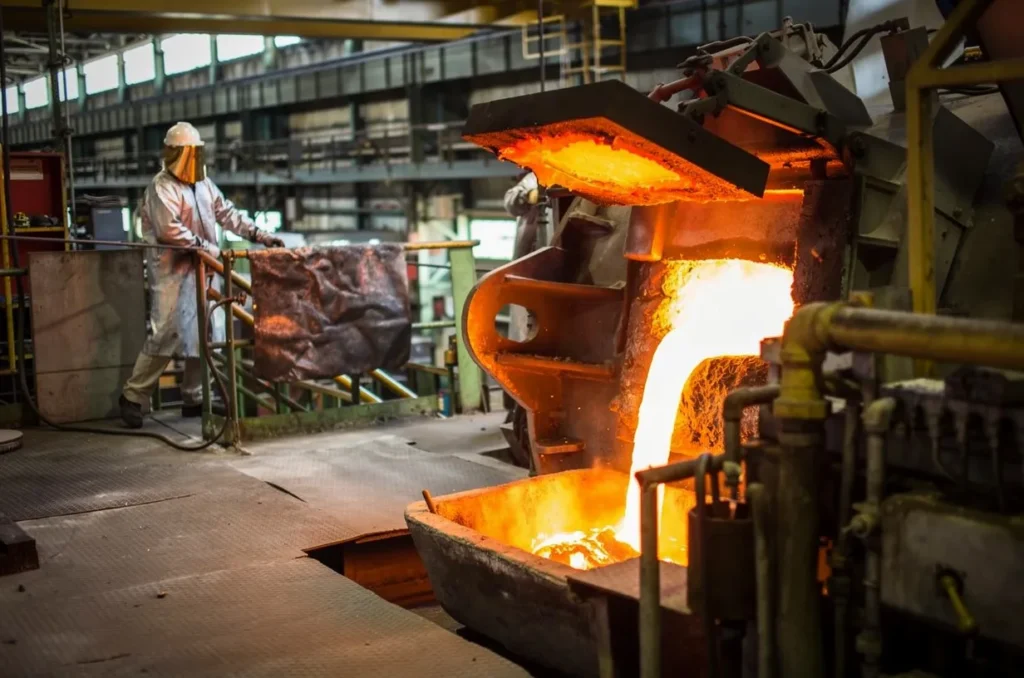
Mine disruptions and smelter problems have added pressure, while China still has limited ability to flood the international market with spare metal because domestic demand remains significant.
China’s manufacturing sector also strengthened in August, with new orders and exports improving. The broader economy remains uneven, but stronger factory activity is helpful for one of the world’s largest consumers of copper.
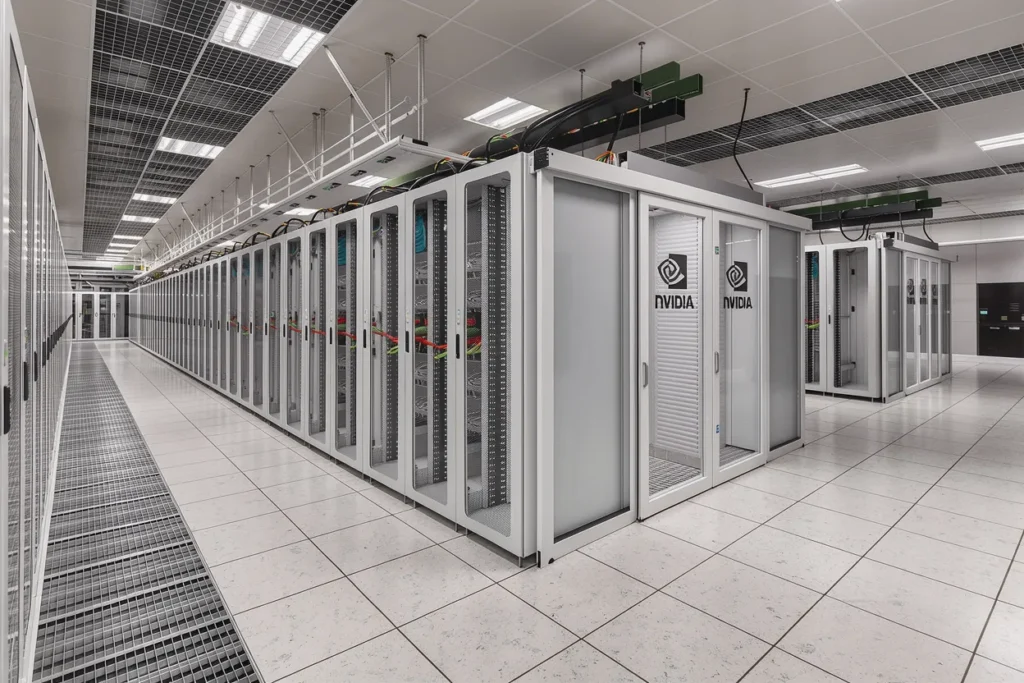
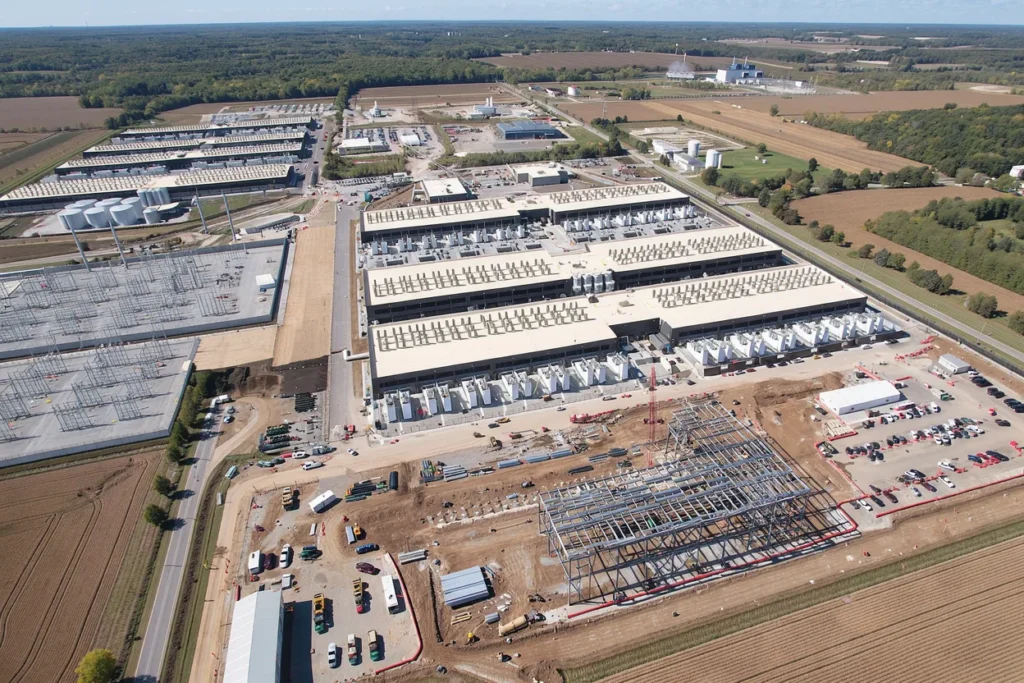
Then there is the longer-term demand story that has been building for years: power grids, data centers, AI infrastructure, electrification and rising electricity consumption all require more copper.
So there are really two forces pushing in the same direction right now:
- A short-term inventory squeeze created partly by U.S. trade policy
- A longer-term market struggling to bring enough new supply online
The first can disappear quickly.
The second is much harder to solve.
Our watchlist just changed… Find out why by joining Wall Street Access.
The next move may be violent in either direction
At more than $14,000 per ton, copper is no longer cheap enough for buyers to ignore price.
BMI warned that elevated prices themselves could limit near-term gains. A stronger dollar can also pressure commodities, while any resolution on U.S. tariffs could remove the incentive to keep shipping metal into America.
That creates an unusual setup.
If inventories in London and Shanghai keep falling before tariff uncertainty is resolved, a new record looks increasingly achievable.
But if Washington removes the tariff threat and the stockpiling trade unwinds, copper could correct quickly even if the longer-term supply story remains intact.
That is why we aren’t treating this as a simple straight-line bull market.
The copper bull case is intact. The easy trade isn’t.
The physical market is tight enough to justify high prices, but some of the tightness is artificial.
For now, the strongest part of the opportunity may be with existing low-cost copper producers and companies bringing near-term production online. They can capture today’s elevated prices without relying on copper being worth $15,000 or $16,000 several years from now.
Early-stage projects are a different bet entirely.
What we’re watching from here is simple: LME and Shanghai inventories, U.S. stockpiles and the eventual tariff decision.
If metal keeps disappearing outside the U.S., copper probably doesn’t stop at the old record for long.
If those flows reverse, the market could finally get the pullback it has avoided for ten straight weeks.
Either way, copper is entering one of the most interesting parts of the cycle.
Explore More Stories in Commodities
Disclaimer
Wall Street Access is an independent financial publisher. Wall Street Access is not a financial advisor. No company mentioned has compensated Wall Street Access for the preparation, publication or distribution of this article. This content is provided for informational and educational purposes only and is not investment advice or a recommendation to buy, sell or hold any security. Investing involves risk, including the possible loss of principal.
Prices, market capitalizations, financial figures and other market data are based on information available as of the date and time of publication and may change without notice. Information is drawn from public sources believed to be reliable but is not guaranteed to be complete or accurate. Opinions and expectations expressed are our own and may change as new information becomes available.
Readers should conduct their own due diligence and contact a licensed financial professional before making any investment decision. Past performance does not guarantee future results. Any material ownership interest or conflict of interest, where applicable, will be disclosed separately.