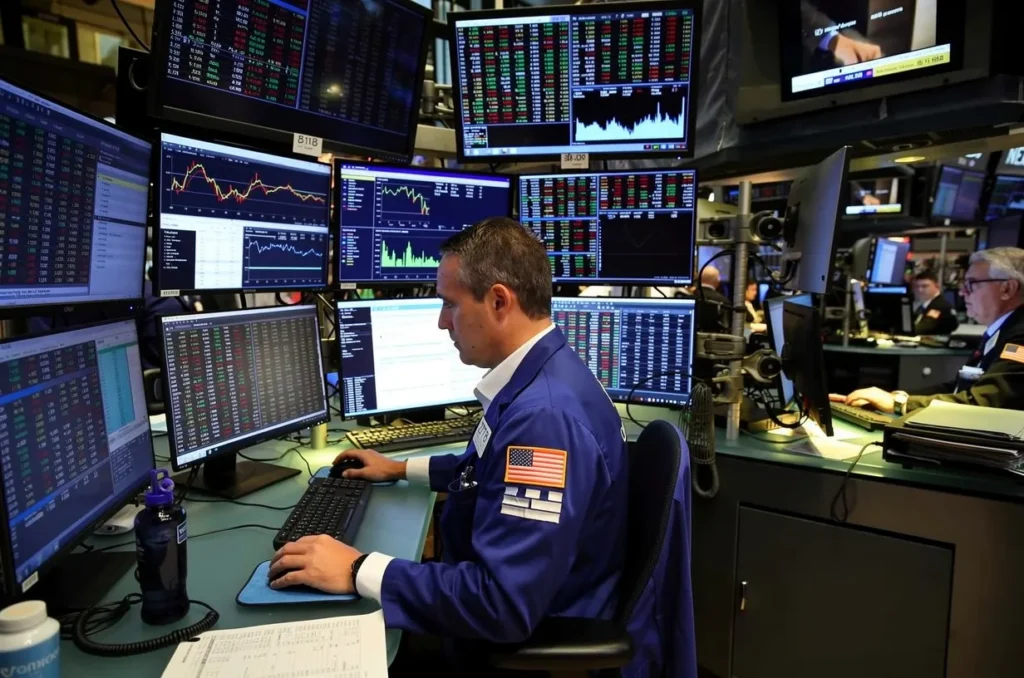
Wall Street thinks the Fed’s next move is settled
Investors have become remarkably confident that the Federal Reserve will leave interest rates unchanged later this month. Fed Chair Kevin Warsh may have other ideas.
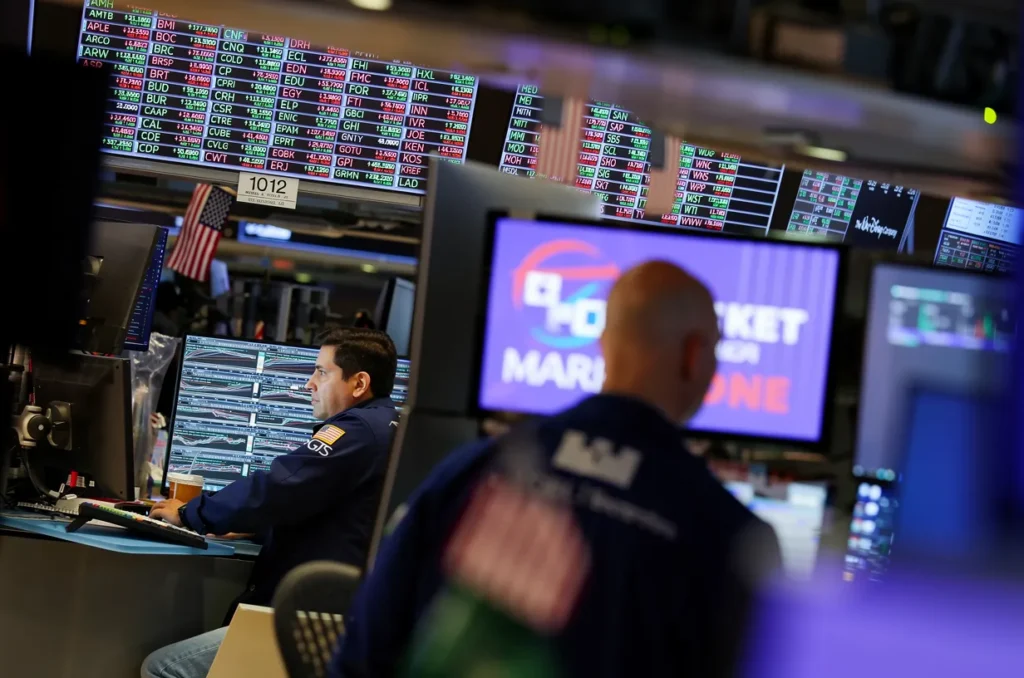
As of Friday morning, futures markets assigned just a 15% probability to an October rate hike, according to the CME FedWatch Tool. Traders largely expect the Fed to wait until December before tightening again, encouraged by recent comments from senior officials who see little urgency in raising rates immediately.
Warsh has been considerably less predictable.
Speaking at an International Monetary Fund event in Bangkok on Friday, the Fed chair declined to signal what he intends to do when policymakers meet October 27–28. He has repeatedly rejected the tradition of guiding markets toward a decision before it happens, arguing that investors should respond to economic data rather than rely on promises from central bankers.
Historically, markets have treated comments from the Fed vice chair and New York Fed president as reliable clues about the chairman’s thinking. Both have recently signaled that holding rates steady would be reasonable.
But Warsh has made it clear that he does not necessarily share the traditional approach to communicating monetary policy.
Wall Street may be treating the Fed’s silence as reassurance when the chairman has deliberately stopped offering it.
Inflation is giving Warsh a reason to act
The economic argument for another rate hike has become harder to dismiss.
September’s Consumer Price Index rose 3.7% from a year earlier, exceeding expectations as gasoline prices jumped 9.1% during the month. A day later, producer prices showed an even sharper increase, climbing 6.3% annually, their fastest pace since December 2022.
Those figures are moving in the wrong direction for a central bank committed to restoring inflation to 2%.
Oil prices remain elevated, borrowing costs are already expensive, and the U.S. economy continues demonstrating surprising resilience. Consumer spending has held up, businesses are investing, and the enormous AI infrastructure buildout is creating another wave of demand for equipment, electricity, construction and financing.
Warsh sees AI as a powerful long-term productivity driver, but he also acknowledges that the investment boom is increasing demand before its efficiency benefits fully materialize.
In other words, AI could eventually help reduce inflation, while the hundreds of billions being spent building it are contributing to inflationary pressure today.
The Fed raised its benchmark rate by a quarter percentage point in September, bringing the target range to 3.75%–4.00%. Its latest economic projections indicated that officials generally anticipated another increase before year-end.
Markets have largely settled on December. Nothing in the inflation data guarantees they are right.
A surprise hike could hit stocks at the worst possible time
Investors have already spent much of October grappling with the consequences of higher Treasury yields.
Technology shares have come under pressure as the cost of financing AI infrastructure rises, while expensive growth stocks face increasing scrutiny over valuations and future earnings.
An unexpected October rate hike would introduce another problem: markets would need to rapidly adjust expectations for the entire interest-rate outlook.
Treasury yields could rise, borrowing costs could become more restrictive, and richly valued technology stocks could face another round of selling. Companies relying heavily on debt to finance expansion would be particularly exposed.
A rate hike investors have already prepared for is one thing. A rate hike almost nobody expects can create a much more violent reaction.
There are legitimate reasons for the Fed to wait. September’s increase was relatively recent, other policymakers have expressed a preference for patience, and higher market interest rates have already tightened some financial conditions without further Fed action.
Warsh also cannot make the decision alone. The Federal Open Market Committee votes collectively, and building agreement for another increase would require convincing colleagues that inflation warrants immediate action.
A pause therefore remains the more likely outcome. The danger lies in how confidently investors appear to believe it is guaranteed.
Warsh has already demonstrated a willingness to depart from traditional Fed communication practices, while inflation remains well above target and economic growth continues to hold up.
The next major decision arrives October 28, when the Fed announces its interest-rate decision.
Wall Street has spent weeks worrying that rates will stay higher for longer. It may not be fully prepared for the possibility that they could go even higher in less than two weeks.
Explore More Stories in Markets
Disclaimer
Wall Street Access is an independent financial publisher. Wall Street Access is not a financial advisor. No company mentioned has compensated Wall Street Access for the preparation, publication or distribution of this article. This content is provided for informational and educational purposes only and is not investment advice or a recommendation to buy, sell or hold any security. Investing involves risk, including the possible loss of principal.
Prices, market capitalizations, financial figures and other market data are based on information available as of the date and time of publication and may change without notice. Information is drawn from public sources believed to be reliable but is not guaranteed to be complete or accurate. Opinions and expectations expressed are our own and may change as new information becomes available.
Readers should conduct their own due diligence and contact a licensed financial professional before making any investment decision. Past performance does not guarantee future results. Any material ownership interest or conflict of interest, where applicable, will be disclosed separately.